

A condensing water heater captures heat from exhaust gases that traditional units vent outside. A secondary heat exchanger condenses the exhaust and reclaims latent heat, pushing efficiency above 90% in many models. Condensing units are available in both tank and tankless designs.
/kənˈdɛnsɪŋ ˈwɔːtər ˈhiːtər/
A condensing water heater captures heat from exhaust gases that traditional units vent outside. A secondary heat exchanger condenses the exhaust and reclaims latent heat, pushing efficiency above 90% in many models. Condensing units are available in both tank and tankless designs.
How does a condensing water heater work?
It uses a secondary heat exchanger to recover heat from exhaust gases, which boosts efficiency and reduces wasted energy.
Source: The Cooling Company

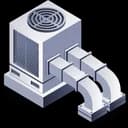
Condensing tech reuses exhaust heat to boost efficiency.
Homeowners upgrade to a condensing water heater to cut energy bills while maintaining reliable hot water for daily use.
Plan for condensate drainage and consider a neutralizer to handle acidic condensate safely.
“Plan for condensate drainage and consider a neutralizer to handle acidic condensate safely.”
Condensing technology is a major leap in water heating efficiency and emissions reduction.
Do condensing water heaters need a drain?
Yes. Condensing systems produce condensate that must be drained safely.
Are condensing water heaters worth the cost?
Often yes, especially for higher hot-water demand and with available rebates.
Can I replace a standard unit with a condensing model?
Usually, but venting and drainage requirements may require modifications.
Need help with condensing water heater? Our licensed technicians in Las Vegas are ready to assist.
Fill out the form below. We typically respond within minutes.


