

The discharge line carries high‑pressure, high‑temperature refrigerant from the compressor to the condenser. It is a key part of the refrigeration cycle, allowing heat to be rejected outdoors before the refrigerant condenses into a liquid.
/dɪsˈtʃɑːrdʒ laɪn/
The discharge line carries high‑pressure, high‑temperature refrigerant from the compressor to the condenser. It is a key part of the refrigeration cycle, allowing heat to be rejected outdoors before the refrigerant condenses into a liquid.
What does the discharge line do?
It carries hot, high‑pressure refrigerant from the compressor to the condenser for heat rejection.
Source: The Cooling Company

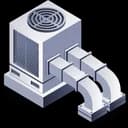
Discharge lines move hot refrigerant to the condenser.
In commercial systems, the discharge line is insulated to improve safety and reduce heat loss while maintaining efficient cooling.
Inspect the discharge line for leaks or damage and keep insulation intact to protect system efficiency.
“Inspect the discharge line for leaks or damage and keep insulation intact to protect system efficiency.”
Technicians use discharge line temperature to diagnose compressor performance.
Should the discharge line be insulated?
Yes. Insulation improves safety and reduces heat loss in the line.
Can a leaking discharge line damage the system?
Yes. Leaks reduce refrigerant and can lead to compressor failure.
Is the discharge line the same as the liquid line?
No. The discharge line carries hot vapor; the liquid line carries condensed liquid refrigerant.
Need help with discharge line? Our licensed technicians in Las Vegas are ready to assist.
Fill out the form below. We typically respond within minutes.

