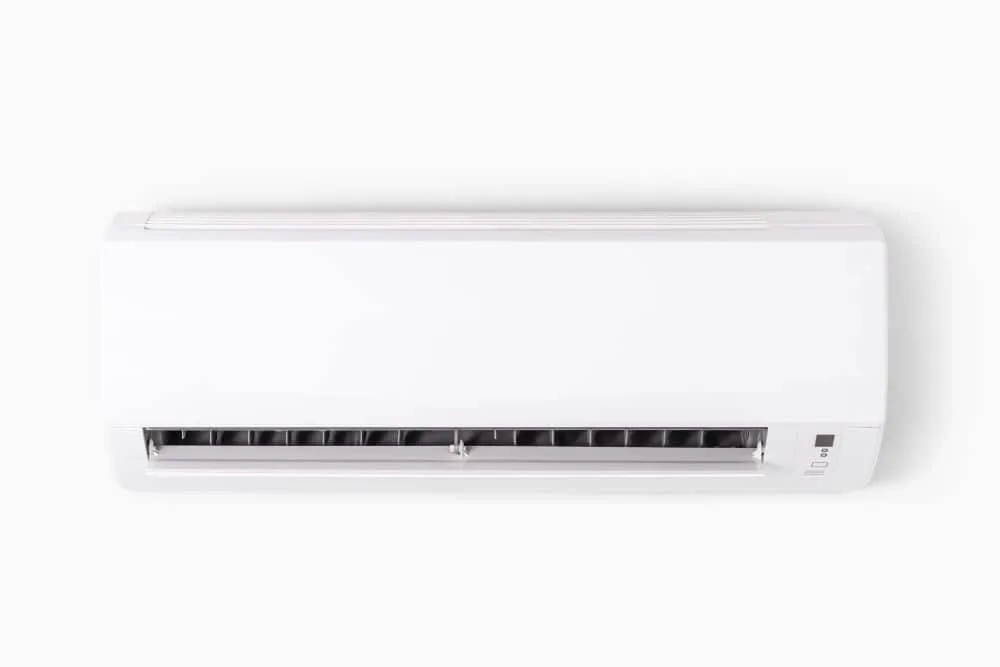

Duct sealing is the process of closing leaks in HVAC ductwork to stop conditioned air from escaping and prevent pollutants from entering. Proper sealing improves efficiency, comfort, and indoor air quality while reducing energy costs.
/dʌkt ˈsiːlɪŋ/
Duct sealing is the process of closing leaks in HVAC ductwork to stop conditioned air from escaping and prevent pollutants from entering. Proper sealing improves efficiency, comfort, and indoor air quality while reducing energy costs.
What is duct sealing?
It’s sealing duct leaks with mastic or foil tape so air goes where it’s intended and energy isn’t wasted.
Source: The Cooling Company

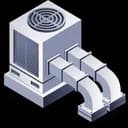
Sealing joints and seams reduces energy waste.
After sealing attic duct leaks, a homeowner notices steadier temperatures and lower utility bills.
Use mastic or foil tape and seal leaks before adding insulation for best results.
“Use mastic or foil tape and seal leaks before adding insulation for best results.”
DOE estimates duct sealing can cut heating and cooling costs by up to 20%.
Is duct sealing a DIY project?
Minor leaks can be sealed, but full duct sealing is best done by a professional after testing.
What’s the difference between duct sealing and duct insulation?
Sealing stops leaks; insulation reduces heat loss or gain through the duct walls.
Will sealing ducts improve air quality?
Yes. It reduces dust and pollutants pulled in from unconditioned spaces.
Need help with duct sealing? Our licensed technicians in Las Vegas are ready to assist.
Fill out the form below. We typically respond within minutes.