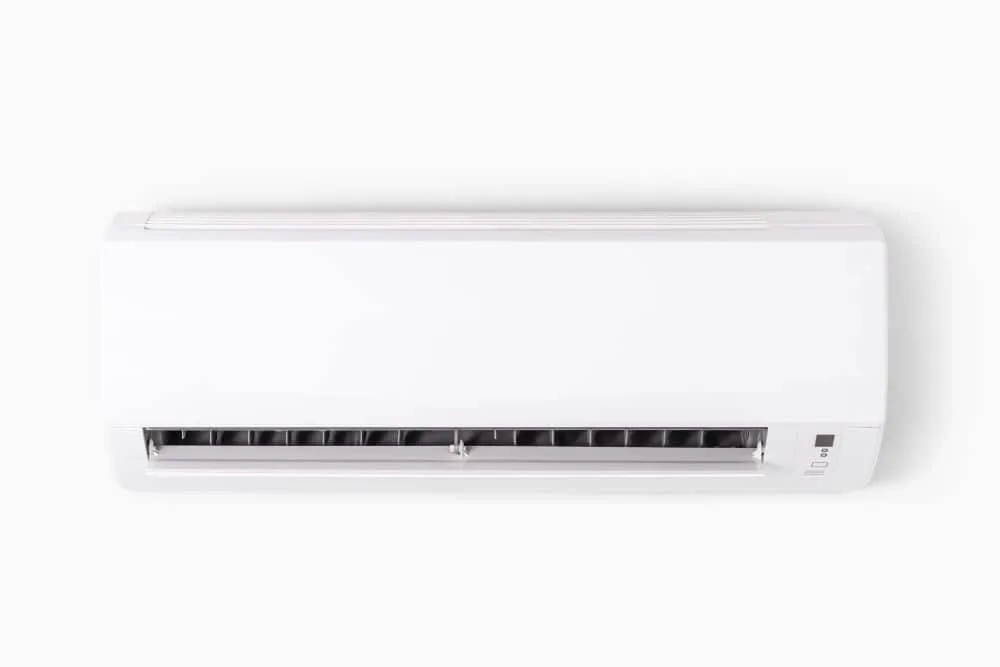

An energy audit is a professional assessment of how a building uses energy and where efficiency can be improved. Auditors evaluate HVAC performance, insulation, air leakage, lighting, and appliances to identify waste and recommend upgrades that reduce energy use and utility costs. Audits can be simple walk-throughs or comprehensive tests using tools like blower doors and infrared cameras.
/ˈɛnərdʒi ˈɔːdɪt/
An energy audit is a professional assessment of how a building uses energy and where efficiency can be improved. Auditors evaluate HVAC performance, insulation, air leakage, lighting, and appliances to identify waste and recommend upgrades that reduce energy use and utility costs. Audits can be simple walk-throughs or comprehensive tests using tools like blower doors and infrared cameras.
What does an energy audit include?
It typically covers HVAC efficiency, insulation, air leakage, lighting, and appliances, with recommended upgrades to reduce energy use.
Source: The Cooling Company

Audits reveal leaks, insulation gaps, and HVAC issues.
After an energy audit, a homeowner seals attic leaks, improves insulation, and tunes the HVAC system, lowering bills and improving comfort.
Bring recent utility bills and note comfort issues before the audit so the auditor can focus on the biggest opportunities.
“Bring recent utility bills and note comfort issues before the audit so the auditor can focus on the biggest opportunities.”
Many utility providers offer free or discounted energy audits as part of energy-saving programs.
How long does a home energy audit take?
Most audits take 1–3 hours depending on home size and test depth.
Is an energy audit worth it?
Yes. It identifies the biggest energy losses and helps prioritize upgrades with the best payback.
Do I need to prepare my home?
Clear access to the attic, HVAC equipment, and electrical panel, and gather recent utility bills.
Need help with energy audit? Our licensed technicians in Las Vegas are ready to assist.
Fill out the form below. We typically respond within minutes.