

A heat exchanger coil transfers heat between air and a circulating fluid such as refrigerant, water, or glycol. In HVAC systems, coils either absorb heat from indoor air (evaporator coil) or release heat outdoors (condenser coil). Coil efficiency directly affects comfort, energy use, and system performance.
/hiːt ɪksˈtʃeɪndʒər kɔɪl/
A heat exchanger coil transfers heat between air and a circulating fluid such as refrigerant, water, or glycol. In HVAC systems, coils either absorb heat from indoor air (evaporator coil) or release heat outdoors (condenser coil). Coil efficiency directly affects comfort, energy use, and system performance.
What does a heat exchanger coil do?
It transfers heat between air and a circulating fluid to provide heating or cooling.
Source: The Cooling Company

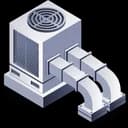
Coils absorb or reject heat to maintain indoor comfort.
An AC system uses the evaporator coil to absorb indoor heat and the condenser coil to release that heat outdoors.
Keep coils clean and schedule annual maintenance to prevent airflow restrictions and efficiency loss.
“Keep coils clean and schedule annual maintenance to prevent airflow restrictions and efficiency loss.”
Even a thin layer of dirt can significantly reduce coil efficiency.
How often should coils be cleaned?
Typically once per year, or more often in dusty environments.
Can a damaged coil be repaired?
Minor leaks or fin damage can sometimes be repaired, but severe damage may require replacement.
Do coils affect humidity control?
Yes. Properly sized and clean coils help remove humidity efficiently.
Need help with heat exchanger coil? Our licensed technicians in Las Vegas are ready to assist.
Fill out the form below. We typically respond within minutes.


