

Hydronic Heating
Hydronic heating warms a building by circulating hot water (or another heated fluid) through pipes, radiators, baseboards, or floor tubing. The system delivers even, comfortable heat with low air movement and can be powered by gas, electric, or solar heat sources. It is efficient and quiet, especially when paired with a high-efficiency boiler.
💡 Key Takeaways
- ✓Hydronic heating warms a building by circulating hot water (or another heated fluid) through pipes, radiators, baseboards, or floor tubing. The system delivers even, comfortable heat with low air movement and can be powered by gas, electric, or solar heat sources. It is efficient and quiet, especially when paired with a high-efficiency boiler.
- ✓Upfront installation costs can be higher than forced air.
- ✓Proper insulation improves performance and efficiency.
- ✓Periodic checks prevent leaks or air in the piping.
Hydronic Heating
/haɪˈdrɒnɪk ˈhiːtɪŋ/
Definition
Hydronic heating warms a building by circulating hot water (or another heated fluid) through pipes, radiators, baseboards, or floor tubing. The system delivers even, comfortable heat with low air movement and can be powered by gas, electric, or solar heat sources. It is efficient and quiet, especially when paired with a high-efficiency boiler.
Why choose hydronic heating?
It delivers even, quiet heat and can be very efficient with modern boilers.
Source: The Cooling Company

Quick Facts
How Hydronic Heating Works
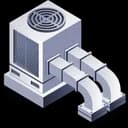
Hydronic systems circulate heated water for even comfort.
Real-World Application
A home installs radiant floor heating with a boiler, eliminating cold spots and improving comfort during winter.
Pro Tip
Combine hydronic heating with a high-efficiency boiler or solar water heating for lower operating costs.
“Combine hydronic heating with a high-efficiency boiler or solar water heating for lower operating costs.”
Important Things to Keep in Mind
- Upfront installation costs can be higher than forced air.
- Proper insulation improves performance and efficiency.
- Periodic checks prevent leaks or air in the piping.
Did You Know?
Hydronic heating is popular in older and luxury homes for its quiet, even warmth.
FAQ
Is hydronic heating better than forced air?
It depends. Hydronic provides even, quiet heat, while forced air can heat faster and add cooling.
Can hydronic heating be added to existing homes?
Yes, but it may require retrofit work for piping or radiant floors.
Does hydronic heating need a boiler?
Yes. A boiler or water heater provides the heat source.
Related Services
Need help with hydronic heating? Our licensed technicians in Las Vegas are ready to assist.
Share This Page
Why Homeowners Trust Us

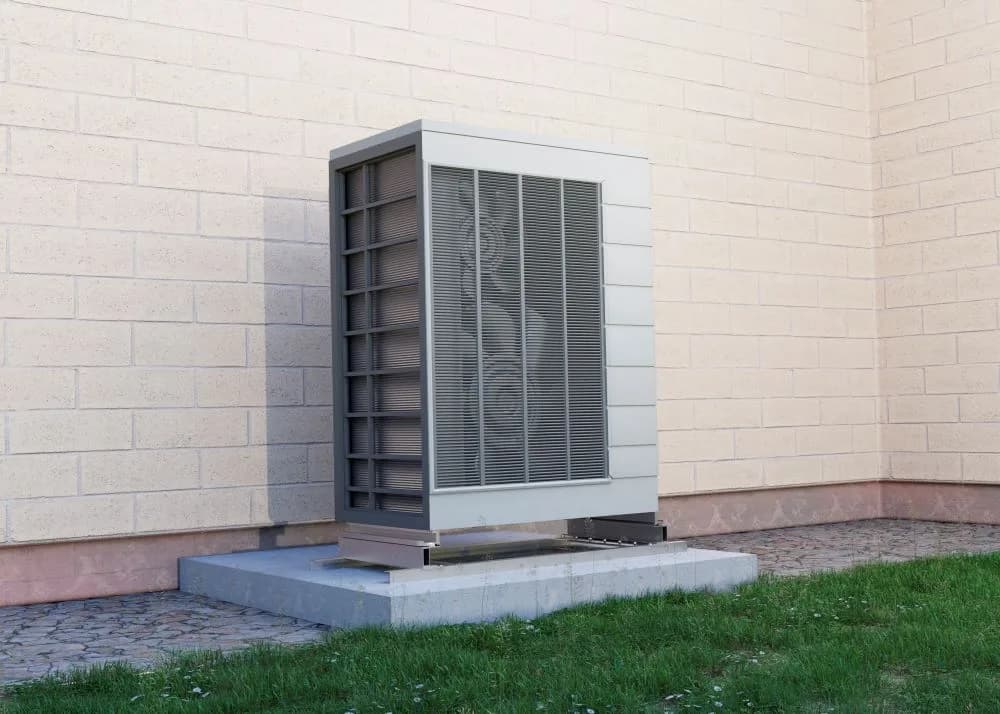

Experience the Comfort of Hydronic Heating
Get a Free Estimate
Fill out the form below. Our goal is to reach you within minutes.