

HVACR expands HVAC to include refrigeration, covering systems that heat, cool, ventilate, and preserve perishable goods. It includes residential comfort systems, commercial refrigeration, and ventilation that maintains air quality and humidity. HVACR is critical for comfort, food safety, and energy efficiency.
/ˈeɪtʃ.vækˌɑːr/
HVACR expands HVAC to include refrigeration, covering systems that heat, cool, ventilate, and preserve perishable goods. It includes residential comfort systems, commercial refrigeration, and ventilation that maintains air quality and humidity. HVACR is critical for comfort, food safety, and energy efficiency.
What does HVACR include?
Heating, ventilation, air conditioning, and refrigeration systems that manage comfort and preserve goods.
Source: The Cooling Company

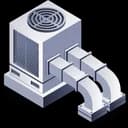
HVACR combines comfort systems with refrigeration and ventilation.
Supermarkets use HVACR to keep shoppers comfortable while maintaining safe temperatures in refrigerated cases and freezers.
Regular HVACR maintenance reduces energy use and helps prevent costly refrigeration failures.
“Regular HVACR maintenance reduces energy use and helps prevent costly refrigeration failures.”
Refrigeration is tightly regulated, and newer systems use lower-GWP refrigerants.
Is HVACR different from HVAC?
Yes. HVACR includes refrigeration systems in addition to HVAC equipment.
Why is HVACR important for food safety?
It keeps perishable goods at safe temperatures to prevent spoilage.
Do HVACR systems need specialized technicians?
Yes. Refrigeration and refrigerant handling require specific certifications.
Need help with hvacr (heating, ventilation, air conditioning, and refrigeration)? Our licensed technicians in Las Vegas are ready to assist.
Fill out the form below. We typically respond within minutes.

