

An outlet temperature sensor measures the temperature of air or water as it leaves an HVAC system or water heater. It helps maintain consistent output by signaling the system to adjust if temperatures drift from set targets. The sensor also supports safety by triggering shutdowns when temperatures exceed safe limits.
/ˈaʊtlɛt ˈtɛmprətʃər ˈsɛnsər/
An outlet temperature sensor measures the temperature of air or water as it leaves an HVAC system or water heater. It helps maintain consistent output by signaling the system to adjust if temperatures drift from set targets. The sensor also supports safety by triggering shutdowns when temperatures exceed safe limits.
Why is an outlet temperature sensor important?
It keeps output stable and protects the system by detecting unsafe temperatures.
Source: The Cooling Company

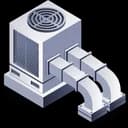
Accurate outlet readings guide comfort and safety controls.
In a home AC system, the outlet sensor monitors supply air temperature and prompts the system to increase cooling if the air is warmer than the thermostat target.
Have outlet temperature sensors inspected and calibrated during routine maintenance to keep readings accurate and performance steady.
“Have outlet temperature sensors inspected and calibrated during routine maintenance to keep readings accurate and performance steady.”
Smart sensors can report outlet temperatures remotely for faster diagnostics.
Can a bad outlet sensor cause comfort problems?
Yes. Inaccurate readings can lead to inconsistent temperatures or short cycling.
How do I know if the sensor is failing?
Symptoms include erratic temperatures, error codes, or incorrect supply air readings.
Is calibration always necessary?
Not always, but periodic checks help maintain accuracy over time.
Need help with outlet temperature sensor? Our licensed technicians in Las Vegas are ready to assist.
Fill out the form below. We typically respond within minutes.