

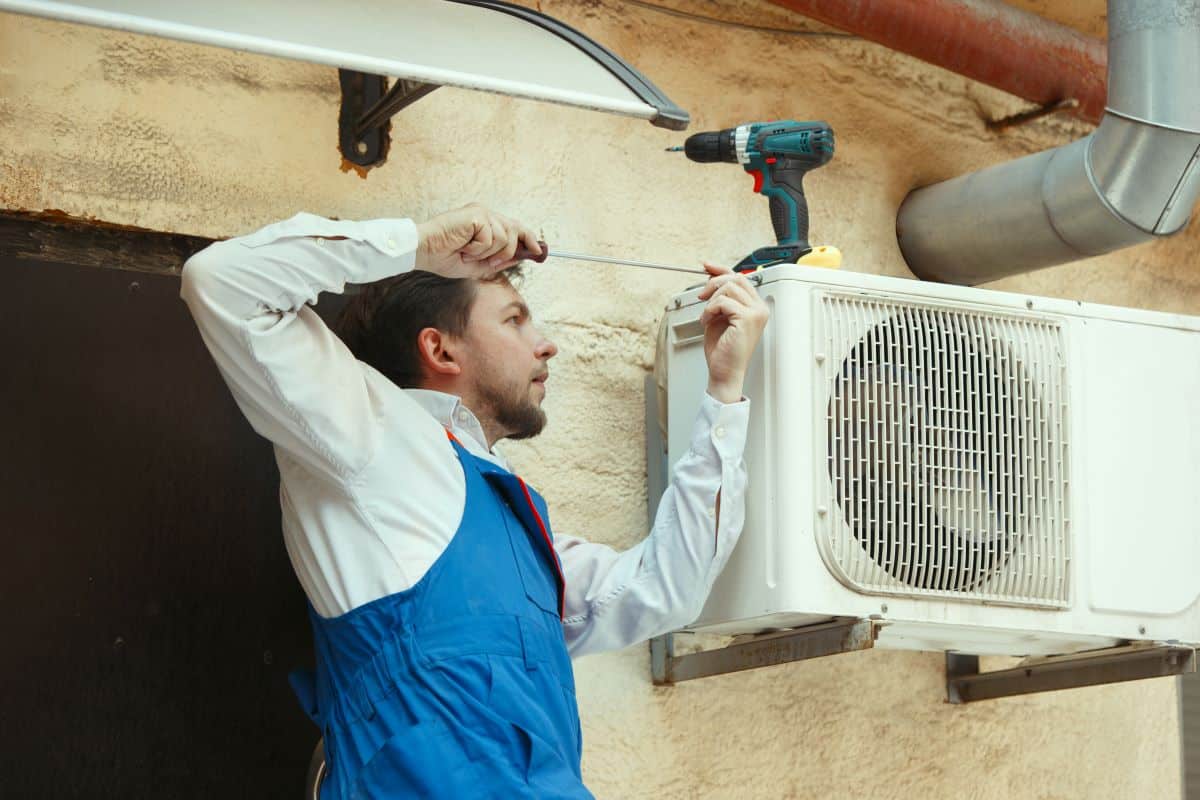
Short answer: In heat pump systems, a stuck reversing valve is the #1 reason AC works but heat does not. The valve controls which direction refrigerant flows — if it sticks in cooling position, you get cold air on a heat call. Defrost board failures and dual-fuel switchover problems are also common in Las Vegas homes. Call (702) 567-0707 for heat pump diagnostics.
What can block heat while AC works
- Thermostat mode, batteries, or schedules
- Tripped breakers or a furnace power switch off
- Heat pump reversing valve or defrost issues
- Low refrigerant or failed capacitor/contactor
- Gas ignition or control board faults
If your central AC runs but the heat does not, check thermostat mode, breakers, and the furnace power switch first. Replace a dirty filter and test batteries. For heat pumps, watch reversing-valve and defrost cycles. If basic checks fail, note codes and call a licensed HVAC technician for safe repair. (Source: ASHRAE Technical Resources)
Local essentials and challenges for Las Vegas heat
- Cold snaps: Overnight lows can drop into the 30s, stressing heat pumps.
- Dust exposure: Flame sensors and ignitors get dirty faster.
- Rooftop installs: Common on older homes and harder to access.
- Gas safety: Utility shutoffs or valve issues are more common in older systems.
- Dual-fuel systems: Mode switching issues can keep heat off.
Why Heating Issues Matter in Las Vegas
While Las Vegas winters are generally mild, the desert climate creates unique heating challenges. Temperature swings can be dramatic—70°F days can drop to 30-40°F at night, especially during December-February cold snaps. Low humidity makes cold feel more intense, even at moderate temperatures. Without reliable heat, indoor temperatures can drop 20-30°F overnight, making heating failures uncomfortable and potentially dangerous for vulnerable residents.
Las Vegas heating systems work differently than cooling systems. Many homes use gas furnaces, heat pumps, or dual-fuel systems. When AC works but heat doesn't, the problem is often isolated to heating-specific components like ignitors, gas valves, reversing valves, or control boards. Desert dust can affect both systems, but heating components may fail independently.
During cold snaps, heating failures require prompt attention. While not as urgent as summer AC failures, extended cold periods can cause discomfort and higher energy costs if auxiliary heat runs continuously. Understanding local heating patterns helps prioritize repairs and maintenance.
Key Takeaways
- A stuck reversing valve keeps the heat pump locked in cooling mode — listen for a loud clunk when switching to heat.
- Defrost board failures cause the outdoor unit to ice over and prevent normal heating cycles.
- Dual-fuel systems can fail to switch from heat pump to gas backup if the outdoor thermostat sensor or changeover relay malfunctions.
- Auxiliary/emergency heat running constantly signals a heat pump problem — call a tech before energy bills spike.
Why is my heat off when AC runs?
Many systems use different parts for heating and cooling. Cooling often runs through the outdoor compressor and indoor coil. Heating may use a gas burner, a reversing valve, or electric strips that only engage in heat mode.
Homeowners often find simple causes quickly. A wrong thermostat mode, a tripped breaker, or a clogged filter can stop heating. If those checks fail, the fault could be electrical, gas, or refrigerant related and need a licensed tech to fix.
Las Vegas context: In Las Vegas, heat pumps are common and rely on reversing valves to switch between heating and cooling. During cold snaps (30-40°F), heat pumps may struggle and rely on auxiliary electric heat, which can triple energy bills. Gas furnaces are more reliable for Las Vegas winters, but ignitors and gas valves can fail independently of cooling components. Desert dust affects both systems, but heating-specific components like ignitors and flame sensors may need more frequent cleaning in dusty environments.
Is the thermostat set to heat?
Check the thermostat display and mode first. Many units show HEAT, COOL, or AUTO. Make sure the setpoint is above the room temperature and the screen is awake.
Also check for active holds or schedules that lower heat. For smart thermostats, open the app and verify no remote hold is active. If settings look right but no call goes out, move to power checks.
Are thermostat batteries dead?
Some thermostats keep settings on batteries even when wired. Low batteries stop controls from sending a heat signal. Replace batteries and test the command again.
If the display stays blank or the thermostat does not respond, document wiring colors and terminal letters so a technician can diagnose transformer or control wiring issues quickly.
Are the breakers or switches tripped?
Locate your main electrical panel and inspect HVAC breakers. Many systems use separate breakers for the outdoor unit and the furnace or air handler. A single tripped breaker can stop heating while cooling previously ran.
Also check the small on/off switch near the furnace or air handler. That switch is often turned off for service and left off. Turn it on and wait a minute for the system to respond before testing again.
Could a tripped fuse or switch be the cause?
Some furnaces use fuses on the control board instead of breakers. A blown fuse prevents ignition and control operation. Inspect fuses visually and replace only with the same type and rating.
Outdoor disconnects by the condenser often contain fuses too. Confirm they are intact. Never leave covers off or touch fuses with power applied. If unsure, call a pro for safe inspection.
How do I check thermostat, breakers, and switches?
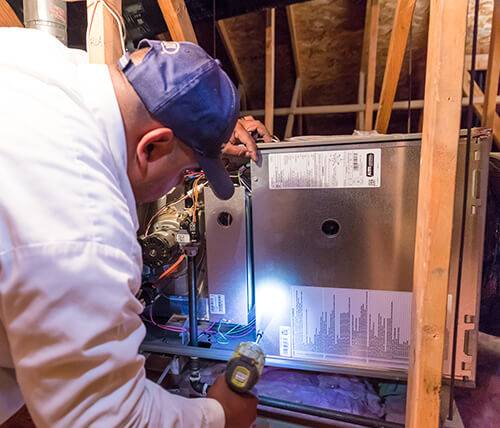
Start with simple visual checks you can do safely. Confirm thermostat mode, raise the setpoint, and listen for clicks at the furnace. Then inspect breakers and switches for obvious trips or off positions.
If those steps do not restore heat, note what you observed. For example, whether the outdoor unit runs on a heat call, or if the furnace clicks but does not ignite. Those notes speed a technician’s diagnosis. (Source: ASHRAE Technical Resources)
Have you checked the circuit breaker?
Breakers protect motors and control circuits and are a common failure point. Reset any breaker that looks tripped and watch if it trips again. Repeated trips point to a motor or short.
If you see immediate re-trips, do not keep resetting. Record which breaker trips and when. That information helps the technician find whether a compressor, blower, or capacitor is failing.
Is there a blown fuse in the furnace?
Locate the control board inside the furnace or air handler. Small glass or blade fuses sit on the board and protect 24V controls. A blown fuse stops the thermostat from talking to the system.
Replace fuses only with the same type and rating. If a new fuse blows quickly, shut off power and call a technician to avoid damaging the control board or creating a safety hazard.
Could thermostat wiring be loose or damaged?
Loose wires, corroded terminals, or rodent damage can interrupt control signals. Look at the thermostat wiring at the stat and at the furnace. Take a clear photo before you move any wires.
Do not pull terminals hard. If wires are frayed or insulation is burned, note that for the technician. Proper testing with a multimeter is best left to pros to avoid shorting the transformer.
Could thermostat programming confuse heat mode?
Programmable and smart thermostats can use schedules, geofencing, or remote holds. These features sometimes keep heat off until a scheduled time. Check both the local display and any linked app for active holds.
If you use zoning, confirm you are adjusting the correct thermostat for the affected zone. Zoning dampers and controls can be miswired or stuck, causing one zone to lose heat while others stay warm.
Is the heat pump failing to switch to heat?
Heat pumps move refrigerant both ways to cool and heat. A reversing valve flips flow direction for heat. If that valve or its control fails, the system may remain in cooling mode or produce no heat.
Heat pump problems are often electrical or sealed‑system related. Refrigerant work and reversing valve repairs need certified technicians. Use the checks below to gather helpful details before you call.
What is a stuck reversing valve?
A reversing valve is a solenoid valve that shifts refrigerant flow. If it sticks, the system cannot change modes. You might hear a loud clunk when it tries to shift or notice the unit running but not heating.
Technicians test the valve coil, apply a shift command, and check pressures. Valve replacement is labor intensive and can range in cost widely. Note if you hear clicking or if auxiliary heat engages during a heat call.
Is the outdoor contactor or capacitor faulty?
The outdoor contactor sends power to the compressor and fan. If it fails, the compressor may not start on a heat call. Capacitors that weaken often let fans run but prevent compressors from starting.
If the fan runs but the compressor stays quiet during a heat call, record this symptom. That observation narrows the fault to the contactor, start capacitor, or the compressor itself.
Could low refrigerant stop heat mode?
Heat pumps need a correct refrigerant charge to move heat effectively. Low refrigerant can reduce heating performance while leaving cooling somewhat functional. Leaks often worsen over time.
Finding and fixing leaks requires licensed refrigerant handling. Running the system long on auxiliary electric heat will raise bills. If you suspect a leak, note oil marks on lines and avoid long operation.
Are defrost cycles preventing warm air?
Heat pumps defrost in cold weather to remove frost from the outdoor coil. During defrost the system briefly runs reversed and may use auxiliary heat. That can feel like lost heat for a short period.
Frequent or long defrost cycles suggest a defrost sensor or control problem. Note if the outdoor coil shows heavy ice or if the unit changes modes often. Those observations help a tech pinpoint the control issue. (Source: ASHRAE Technical Resources)
Las Vegas defrost cycles: While Las Vegas winters are mild, occasional freezing nights (December-February) can trigger defrost cycles. During defrost, the system briefly switches to cooling mode to melt ice, which can feel like lost heat for 5-10 minutes. If defrost cycles last longer than 15 minutes or occur more than every 2-3 hours, the defrost sensor or control board may need service. Desert dust on outdoor coils can interfere with defrost sensors, requiring cleaning.
How does auxiliary electric heat work?
Auxiliary heat uses electric resistance strips when the heat pump cannot meet demand. It kicks in during very cold weather or when defrost is active. Expect much higher power use while it runs.
Avoid using EMERGENCY HEAT unless necessary. Running auxiliary heat always can triple your energy bills. Use it briefly to restore warmth, then call a technician to fix the primary heat source.
Could electrical issues be blocking heat?
Electrical faults often stop the heating sequence while leaving cooling intact. Control boards, relays, transformers, and fuses can fail. These failures need safe testing and sometimes part replacement.
Only do visual and safe external checks. Turn off power before opening panels. For internal diagnostics, hire a licensed technician to avoid shock and to meet local electrical codes.
Could a failed transformer be the culprit?
The 24V transformer powers the thermostat and control relays. If it fails, the thermostat may show power loss or the furnace may not respond. Symptoms include a blank stat and no clicking from the furnace.
A pro will measure transformer output with a meter and replace it if needed. Transformer swaps are common and relatively low cost, but they require correct matching to your control system.
Are wiring connections loose or corroded?
Wiring connections that are loose or corroded cause intermittent faults. Terminals can loosen and wires can fray from vibration. Corrosion at outdoor terminals is common in humid areas.
Take photos before you touch wires. Simple fixes like tightening screws may help, but voltage checks are needed for a reliable repair. Let a tech test for hidden shorts and fix bad splices.
Can a bad relay stop the heat cycle?
Relays route power to the compressor, blower, and ignition systems. A stuck or failed relay can prevent the heating sequence. You may see the control board indicate a heat call, yet nothing runs.
A technician will test relays for coil resistance and switch continuity. Relay replacement is often moderate in cost. Record audible clicks or lack of clicks when you call for heat to help diagnostics.
Is there a control board error code?
Modern furnaces and air handlers use LED blink codes to show faults. These codes identify ignition failures, pressure switch faults, and sensor problems. Look on the control board for a legend or a sticker with codes.
If you photograph a blinking pattern, include that in your service call. Many diagnostics begin with those codes, letting the tech bring the likely replacement parts faster.
Should you reset power before testing?
A power reset can clear minor electronic faults on control boards. Shut off the furnace switch and breaker, wait thirty seconds, and restore power. Then re-test the heat call.
If resetting brings back temporary heat and it fails again, schedule service. Intermittent failures point to marginal components or wiring that need professional repair.
What safety switches can disable heat?
Limit switches, pressure switches, and float switches protect the system from unsafe conditions. A tripped switch can stop ignition or the compressor to avoid overheating or water damage.
When a switch trips, fix the root cause. For example, remove blockages that caused a condensate float trip. Technicians test switches and replace or recalibrate them when needed.
Might gas supply or furnace parts be faulty?
When heating uses gas, proper fuel delivery and ignition are essential. Faulty gas valves, ignitors, flame sensors, or heat exchangers will stop heating while leaving cooling unaffected.
Combustion work requires a licensed technician. Gas and combustion issues risk leaks, fire, or carbon monoxide. Use the checks here only to gather safe information for the service call. (Source: ASHRAE Technical Resources)
Is the gas valve open and supplying fuel?
Confirm the manual gas shutoff near the furnace is open. Utility work or a contractor may close the valve. If you do not feel comfortable checking, call your utility for guidance.
If you smell gas at any time, evacuate and call emergency services. Do not light pilot lights or operate switches until a qualified technician inspects the system.
Pilot light out on older furnaces?
Older furnaces may use a standing pilot that must remain lit. If it is out, follow the posted lighting instructions on the furnace. If it will not stay lit, the thermocouple may be weak.
Avoid extensive DIY work on pilot assemblies. A trained technician can replace thermocouples and verify safe operation of older combustion systems.
Could ignition or hot surface igniter fail?
Modern furnaces use hot surface igniters or electronic spark modules. Igniters can crack or wear out. Symptoms include repeated clicking without flame or a glowing igniter that does not light the gas. For a full list of ignition-related issues, see our gas furnace troubleshooting guide.
Ignitor replacement is common and usually moderate in cost. If ignition seems weak or flame sensors fail, a technician will check gas pressure and combustion safety before finishing repairs.
Are filters, vents, and coils causing the issue?
Airflow problems cause many heating complaints. Dirty filters, blocked returns, and clogged coils reduce heat transfer and can trip safety switches. These issues are often fixable by homeowners.
Duct leaks or closed dampers create uneven heat and extra strain on the blower. Before calling, replace filters, clear returns, and check vent temperatures to give the technician a clear picture.
When were furnace filters last changed?
A clogged filter limits airflow and can trigger a high‑limit switch to shut the burner off. Inspect filters monthly and change them every one to three months depending on pets and dust.
After replacing the filter, run a heating cycle and listen for steady blower operation. Weak airflow after a fresh filter can mean a failing blower or duct restriction.
Are supply vents blocked or closed?
Check all supply and return vents for furniture, curtains, or rugs that block airflow. Closed vents in unused rooms can unbalance the system and raise pressure, causing uneven heating.
If only one room is cold, check zone dampers and thermostat settings. Note any rooms that stay cold to help the technician test dampers and airflow balance.
Could dirty evaporator coils affect heating?
Dirty indoor coils reduce heat transfer and can cause the heat pump to struggle or a furnace to overheat. Coil contamination lowers efficiency and may trigger defrost or shutdowns.
Cleaning coils usually requires opening the air handler and using appropriate cleaners. Avoid wetting electronics; let a professional handle coil cleaning if you are unsure.
Is airflow restricted by duct issues?
Duct leaks, crushed flex ducts, and disconnected joints reduce airflow and can deliver uneven temperatures. Visible ductwork should be inspected for loose seams and sagging runs.
Sealing large leaks and insulating ducts in unconditioned spaces often improves performance greatly. Technicians use pressure tests and thermal checks to find hidden leaks.
How do clogged condensate drains impact heat?
High-efficiency furnaces and some coils drain condensate. A blocked drain can trip a float switch that disables the blower or burner to prevent overflow and water damage.
You may qualify for federal tax credits that reduce your upfront cost.
Clear visible drain traps and flush lines if accessible. If a pan remains full or the float stays tripped, a technician will snake lines and repair the drain slope. (Source: ASHRAE Technical Resources)
Can uneven room temps indicate duct leaks?
When some rooms heat and others stay cold, duct leaks or closed dampers are likely. Inspect attic and crawlspace ducts for disconnections and holes. Feel vent temperatures with a thermometer.
Technicians can seal ducts and rebalance dampers. Fixing large leaks near the air handler gives the best comfort improvements for the cost.
Should you clear vents and registers first?
Yes. Clearing vents and replacing filters are the fastest home fixes. They restore airflow and let the system operate normally in many cases. Vacuum returns and move furniture away from grills.
If clearing vents does not restore heat, note which rooms are affected and how the system behaves during a heat call. Those observations help a technician diagnose faster.
Will routine maintenance prevent future failures?
Regular HVAC tune-ups catch wear and dirt before they cause failures. Annual checks include filter inspection, coil cleaning, electrical tests, and combustion analysis for gas furnaces. Maintenance extends equipment life. Our furnace maintenance checklist covers exactly what to expect.
Schedule service before cold seasons to avoid emergency calls. A technician can flag parts that show wear and offer cost-effective replacement options before a breakdown.
Las Vegas maintenance schedule: Schedule heating system maintenance in October-November, before cold snaps begin. Desert dust affects heating components too—ignitors and flame sensors may need cleaning more often in dusty environments. For heat pumps, annual maintenance should include reversing valve checks, defrost sensor testing, and refrigerant level verification. Gas furnaces need combustion analysis and gas valve testing. Annual maintenance costs $150-300 and can prevent $500-2,000 repair bills. In Las Vegas, where systems run less frequently for heating, maintenance is especially important to catch issues before cold weather arrives.
How often to schedule professional HVAC service?
Most homes need annual service for gas furnaces and heat pumps. Homes in dusty or pet-filled environments may need more frequent checks. Heat pumps in cold climates can benefit from two visits yearly.
Ask for a maintenance plan with reminders. Preventive care often costs less than emergency repairs during peak weather.
What parts commonly fail in heating mode?
Common failures include ignitors, flame sensors, pressure switches, reversing valves, capacitors, contactors, and control boards. Blower motors and belts also wear and reduce airflow, risking safety cutouts.
Smaller parts like sensors or capacitors cost less, while sealed‑system parts and heat exchangers are costly. Knowing likely parts helps you budget for repairs.
Our pricing guide breaks down the costs you can expect.
How much do typical repairs cost?
Minor fixes like filters, thermostat batteries, or simple wiring often cost under $150. Mid-range jobs like ignitor or blower motor replacements run $300–$900. Sealed‑system or heat exchanger work can cost $800–$3,500 or more.
Prices vary by region, model, and access difficulty. Always get a written estimate and ask about parts warranties before work begins.
Las Vegas repair cost context: Typical heating repair costs in Las Vegas range from $150-500 for minor fixes (thermostats, ignitors, flame sensors) to $800-2,500 for major repairs (heat exchangers, reversing valves, control boards). Heat pump repairs often cost $400-1,200, while gas furnace repairs range from $300-1,500 depending on the component. Rooftop installations may add $100-300 to labor costs due to access difficulty. During cold snaps (December-February), emergency service may include priority fees. Always get itemized estimates and compare repair costs to replacement—systems older than 12-15 years may benefit from replacement, especially if repair costs exceed $1,500-2,000.
Las Vegas cost drivers
- Access: Roof or attic installs require extra setup time.
- Part availability: Older furnaces may need special-order parts.
- After-hours calls: Cold snaps can add priority fees.
- Electrical or gas upgrades: Panels, valves, or venting add scope.
- Airflow fixes: Duct leaks can require extra work.
Decision guidance: repair or replace
- Repair: System under 10 years with a single failed component.
- Replace: Multiple breakdowns or repair costs near 50% of new.
- Plan upgrades: If bills are rising or comfort is uneven.
- Urgent service: Gas smell, ignition failure, or repeated trips.
When is replacement more cost effective?
Consider replacement when repair costs approach half the price of a new system. Also replace when equipment is older than 15 years or efficiency is poor. New systems save energy and lower bills.
A technician can perform a Manual J load calculation to size a new unit correctly. Proper sizing and matched indoor and outdoor units preserve warranty coverage and system life.
Are emergency heating options safe?
Portable electric heaters can warm a room safely when used with care. Keep them away from flammable items and never leave them on unattended. Avoid unvented combustion heaters indoors.
If gas issues cause heat loss, do not attempt gas line work. For extended outages, consider staying elsewhere when temperatures drop and vulnerable people are at risk.
Call to action
If you need fast, expert heating service in Las Vegas, call The Cooling Company at (702) 567-0707. Our technicians serve Las Vegas, Henderson, and North Las Vegas. Tell us your system make, model, serial number, and any error codes to speed diagnostics and get the right parts on the first visit.
We offer heating repair, heating installation, AC repair, and maintenance services throughout the Las Vegas area. During cold snaps, we prioritize heating failures to restore comfort quickly. Our licensed technicians understand Las Vegas's unique climate challenges and can diagnose heat pump, gas furnace, and dual-fuel systems efficiently.
Outside our area? Look for NATE-certified technicians at natex.org and use the same checklist you used here. If you are local, call The Cooling Company for licensed repairs, clear pricing, and quick emergency response tailored to Nevada homes.
Share This Page
Neighborhoods we serve for heating repairs
We respond to heating calls across the valley, including Henderson, Green Valley, Anthem, Lone Mountain, Providence, and Downtown Las Vegas. Let us know your neighborhood so we can plan the right access for attic or rooftop equipment.
Trust and guarantees
- Serving Las Vegas since 2011
- Licensed, insured, and EPA-certified technicians
- Clear diagnostics before repairs
- Workmanship-backed service
- 100% satisfaction guarantee
Service area map
Related reading: what to explore next?
- Furnace Check up: 5 Fast Fixes to Prevent Winter Breakdowns Now
- Heater Not Working: 5 Fast Fixes to Try Before Calling
- Why Your Heating System Won't Turn On: Common Causes and Solutions
Heating Troubleshooting Checklist for Las Vegas Homes
Follow this systematic checklist before calling for service. Most heating problems can be resolved with these simple checks.
Step 1: Thermostat Check (30 seconds)
- Confirm thermostat is set to HEAT mode (not COOL or AUTO)
- Verify setpoint is at least 5°F above current room temperature
- Check if display is blank or dim—replace batteries
- Look for schedule locks or holds on programmable/smart thermostats
- Note any error codes displayed
Step 2: Power Supply Check (1 minute)
- Check main breaker panel for tripped breakers
- Locate furnace power switch (usually near unit) and verify it's ON
- Check for blown fuses in furnace control board
- For heat pumps, verify outdoor disconnect is ON
Step 3: Air Filter Inspection (1 minute)
- Remove and inspect air filter—replace if dirty
- Clogged filters can cause high-limit switches to trip
- In Las Vegas, check filters monthly during heating season
Step 4: System Type Identification
- Gas furnace: Check for gas valve position, pilot light (older units), or ignition
- Heat pump: Listen for outdoor unit running, check reversing valve operation
- Dual-fuel: Verify which mode is active (heat pump vs. gas backup)
Step 5: Observe System Behavior
- Listen for clicking sounds (ignition attempts)
- Note if blower runs but no heat
- Check for error codes on control board
- Monitor if system runs continuously without heating
About The Cooling Company
- Phone: (702) 567-0707
- Service Areas: Las Vegas, Henderson, North Las Vegas, Summerlin, Green Valley
- Services: Heating Repair, Heating Installation, AC Repair, AC Installation, Maintenance
References
- U.S. Department of Energy (Energy.gov) (accessed 2025-12-24)
- U.S. Environmental Protection Agency (EPA) (accessed 2025-12-24)
- ASHRAE (Standards and guidance) (accessed 2025-12-24)
- ENERGY STAR (Heating & cooling) (accessed 2025-12-24)
Need HVAC Service in Las Vegas?
The Cooling Company provides expert HVAC service throughout Las Vegas, Henderson, and North Las Vegas. Our licensed technicians deliver honest assessments, upfront pricing, and reliable results.
Call (702) 567-0707 or visit heating, furnace repair, heat pump installation, or heating maintenance for details.