


Energy Efficiency: Simple HVAC Upgrades That Cut Bills Today
Short answer: Practical HVAC upgrades like a smart thermostat, clean filters, duct sealing, and yearly tune-ups cut energy bills fast. These steps lower runtime, boost comfort, and often pay back in months. Adding insulation and right-sized equipment brings larger, longer-term savings over time. In Las Vegas, where summer temperatures regularly exceed 110°F and AC systems run 10-11 months per year, efficiency upgrades are essential for managing high energy bills. Desert heat, dust storms, and monsoon season humidity make proper maintenance and upgrades critical for long-term savings.

Las Vegas Energy Efficiency Context
Las Vegas homeowners face unique energy efficiency challenges due to extreme desert climate conditions. The Las Vegas Valley experiences 310+ days of direct sunlight annually, with summer highs regularly reaching 110-115°F. Unlike moderate climates, AC systems here operate nearly year-round, which increases wear and energy consumption. Desert dust storms can clog filters and coils faster, requiring more frequent maintenance and affecting system efficiency.
High summer energy bills make efficiency upgrades especially valuable, with many homeowners seeing $100-300+ monthly savings from properly sized, efficient systems. During monsoon season (July-September), humidity spikes can affect both heating and cooling efficiency, making proper system sizing and controls critical. Winter nights can drop into the 30s, requiring heating systems that work efficiently during cold desert nights.
Neighborhoods across the valley—from Summerlin and Henderson to North Las Vegas, Paradise, and Enterprise—all face similar climate challenges, but home age, insulation quality, and ductwork condition vary significantly. Older homes built before modern energy codes often need duct sealing and insulation upgrades alongside new equipment. Newer homes may only need properly sized equipment, but still benefit from quality installation and commissioning.
Key Takeaways
- Start with controls and filter care for the fastest payback.
- Seal ducts and improve attic insulation to cut losses.
- Schedule annual tune-ups and verify refrigerant charge and airflow.
Practical HVAC upgrades like a smart thermostat, clean filters, duct sealing, and yearly tune-ups cut energy bills fast. These steps lower runtime, boost comfort, and often pay back in months. Adding insulation and right-sized equipment brings larger, longer-term savings over time. For authoritative guidance and technical details, see the DOE Better Buildings HVAC resource: DOE Better Buildings HVAC.
Which simple HVAC upgrades save the most now?
Small, practical upgrades often give the largest short-term impact on energy use. A smart thermostat, clean air filters, and sealing visible ducts reduce runtime and improve comfort without large capital outlay. These steps cut how long the compressor or furnace runs and lower fan energy. They also reduce the chance of mechanical failure from dirt or poor airflow.
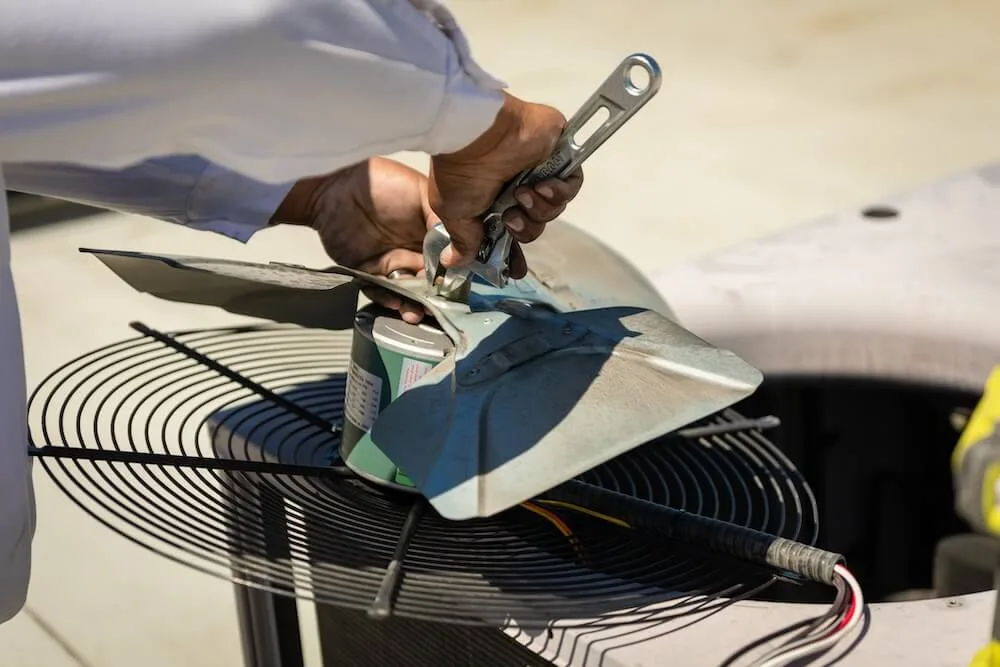
After those basics, add a seasonal tune-up and coil cleaning to restore lost efficiency. For many systems, cleaning coils and verifying refrigerant charge brings measurable gains within weeks. These fixes are usually far cheaper than a full system replacement and often pay back in a single season. Finally, if your home is drafty, add insulation and air sealing to lower peak loads.
How much can a smart thermostat save?
A smart thermostat typically trims cooling use by about 10-15% and heating by 8-12% in many homes. Actual savings depend on how you use setback features and how often the house is occupied. Features like scheduling, geofencing, and adaptive learning help capture savings automatically.
When evaluating models, prefer those with simple scheduling and reliable remote access. Make sure the installer sets up setbacks and ramps correctly. Incorrect setup or disabling learning functions can cut expected savings in half.
When should you replace air filters?
Replace disposable filters every 1 to 3 months depending on pets, dust, and indoor activities. Homes with pets or higher dust loads need more frequent changes. Check filters monthly during heavy-use seasons and swap when you see visible dirt.
A clogged filter reduces airflow and forces the system to run longer. That increases energy use and can damage components over time. Keep a filter change log if you want to track performance after maintenance.
What is an optimal temperature setback?
Setbacks of 4 to 6 degrees Fahrenheit for cooling and 6 to 8 degrees for heating give solid savings with small comfort impact. Use gradual ramps rather than sudden swings to avoid short cycling when you return home. Heat pumps can recover temperature faster than large gas furnaces in many cases.
If you use a smart thermostat, program ramps and vacation modes. Consistent, modest setbacks capture savings without large comfort penalties and reduce peak demand on the system.
How do I prioritize fixes and upgrades?
Begin by gathering simple data: recent utility bills, thermostat runtime logs, and room-by-room comfort notes. These clues show whether the problem is runtime, airflow, or distribution. Low-cost measures like controls, filters, and accessible duct sealing usually offer the fastest payback and the lowest risk. They are the right first step for most homes.
For larger items, run a basic cost-benefit check. Divide upgrade cost by expected annual dollar savings to estimate payback years. Factor in rebates, tax credits, and non-energy benefits such as comfort and lower repair bills. Stage big projects so you improve the envelope first, then right-size equipment when needed. That sequencing saves money and prevents rework by contractors.
Learn about available federal tax credits for energy-efficient HVAC equipment.
What low-cost fixes give the fastest payback?
Smart thermostats and regular filter care are the quickest, lowest-risk fixes. Basic duct sealing at accessible joints often pays back in months to a few years. These actions cut runtime, reduce repair frequency, and yield visible drops in bills within one or two seasons for many homes.
Target the most likely causes first: clogged filters, wrong thermostat schedules, or loose duct boots. Addressing these will give you immediate data on how much more you need to invest.
How to estimate payback for upgrades?
Estimate payback by dividing the upfront cost by expected annual dollar savings. Use recent utility bills to set a baseline for HVAC energy spend. Adjust the baseline for weather or occupant behavior changes to avoid optimistic estimates.
Try our energy savings guide to see how much you could save.
Include available rebates and tax credits to lower the net cost. Consider non-energy benefits such as improved comfort and reduced maintenance costs when you evaluate whether the upgrade is worth it.
Which rebates and incentives should I check?
Look at local utility programs for rebates on smart thermostats, high-efficiency units, duct sealing, and insulation. Federal tax credits may apply to heat pumps and other qualifying equipment. These incentives can significantly shorten payback timelines.
Verify eligibility rules before you buy. Some programs require pre-approval, certified contractors, or specific product lists. Keep paperwork for rebate claims and for contractor verification during installation.
Which controls and commissioning steps help most?
Controls and commissioning keep systems from running poorly or wasting energy. Simple scheduling, setback logic, and demand-controlled ventilation reduce runtime. Advanced control upgrades match fan and compressor output to actual demand and cut wasted energy.
Commissioning confirms a new or serviced system works as intended. It finds wiring errors, incorrect sequences, or airflow problems. A properly commissioned system typically runs with tighter setpoints, fewer faults, and lower energy use. Documented findings help measure improvements after fixes.
What is commissioning and why does it matter?
Commissioning is a systematic process of testing and tuning HVAC controls to meet design goals. It reveals miswired thermostats, wrong setpoints, or poor airflow. Fixing these issues restores efficiency, reduces wear, and improves comfort.
For retrofits, commissioning verifies that new controls interact properly with existing equipment. For new installs, it confirms the system meets the performance expected by the owner and any incentive programs.
How do variable frequency drives save energy?
Variable frequency drives (VFDs) vary motor speed to match real demand. Fans and pumps then use much less power at part load, which is where most systems operate most of the time. VFDs also reduce mechanical stress and avoid high startup currents.
VFDs are especially useful on large fans and pumps where part-load savings are large. They must be applied with good controls and sensors to avoid unintended operations that negate savings.
Can zoning reduce simultaneous heating and cooling?
Zoning divides a home into areas with separate temperature control. That prevents heating one zone while cooling another, which wastes energy. Zoning saves energy in homes with distinct occupancy patterns or rooms that need different setpoints.
Proper zoning requires careful design: right-sized dampers, good controls, and sometimes multistage equipment to avoid short cycling. Work with a qualified HVAC professional to assess suitability and to avoid poor outcomes.
What controls reduce fan energy?
Fan energy drops when you use VFDs, demand-controlled ventilation, or pressure-based controls. These systems match airflow to need instead of running fans at full speed all the time. Good duct design increases the effectiveness of these measures.
Also check fan schedules and minimum run settings. Sometimes fans are set to run continuously for comfort or filtration. Reducing unnecessary fan runtime saves energy without harming indoor air quality if you plan appropriately.
How to set up effective schedules?
Map typical occupancy for a week before programming thermostats. Build gradual ramps that match arrival and leave times rather than sudden changes. Include vacation and holiday modes to avoid wasted runtime during long absences.
If multiple occupants have varying schedules, use zoning combined with smart controls to target occupied areas. Keep schedules simple so people do not override them frequently, as overrides reduce expected savings.
Are economizers useful in my climate?
Economizers bring cool outside air into a system for free cooling when outdoor conditions allow. They work best in climates with cool, dry evenings or long shoulder seasons. In hot, humid climates they deliver less benefit and need good controls to avoid bringing in moisture.
If your climate has plenty of cool nights, economizers can reduce compressor runtime significantly. Make sure the control logic includes enthalpy and humidity checks if moisture is a concern.
How do ducts and the building envelope affect HVAC bills?
Duct leaks and poor insulation force systems to run longer and waste conditioned air. Homes with ducts in attics or crawlspaces often lose the most energy. Sealing trunk joints and boot seams yields quick savings and improves comfort in far rooms.
A tight building envelope reduces infiltration and lowers peak loads for heating and cooling. Sealing gaps around windows, doors, and attic hatches makes any HVAC upgrade more effective. Combine envelope work with duct sealing for larger, longer-lasting benefits.
Can duct sealing cut 10% of bills?
Yes. In many leaky homes, sealing ducts can cut heating and cooling losses by about 5 to 20 percent. A 10 percent reduction in HVAC energy use is a reasonable target when ducts run through unconditioned attics or crawlspaces. Prioritize major trunk joints and register boots.
Professional duct testing using a duct blower gives a clear diagnosis and helps prioritize work. DIY sealing of accessible joints can deliver some savings, but a full test and seal is more reliable for big savings.
How much difference does attic insulation make?
Adding attic insulation reduces heat flow through the roof and lowers peak cooling loads in summer and heat loss in winter. Savings depend on climate and the existing insulation level. In many cases, adding insulation costs far less than a premature HVAC replacement.
Pair insulation with air sealing to close gaps where air moves freely. That combination often outperforms adding more HVAC capacity and provides long-term energy and comfort benefits.
When should you test for air leaks?
Test when you feel drafts, see high energy bills, or before major upgrades. A blower door test measures whole-house leakage and helps identify where to focus work. Run the test before insulation so you can target the worst areas.
If you plan major HVAC changes, test first to ensure the envelope work is completed before sizing or commissioning new equipment. That sequencing prevents oversizing and saves money.
What equipment upgrades give long term savings?
Long-term savings come from efficient equipment, right sizing, and quality installation. Modern heat pumps, high-SEER air conditioners, and variable-capacity compressors cut energy use when installed and commissioned correctly. Installation quality often matters more than the nominal rating on the label.
Plan upgrades using life-cycle cost, not just upfront price. Consider expected runtime, maintenance needs, and local fuel prices. Incentives and rebates can change the payback math, so verify available programs before choosing equipment.
Is a heat pump better than a furnace?
Heat pumps move heat instead of burning fuel, which often makes them more efficient per unit of delivered heat. Modern cold-climate heat pumps work well in many areas and can replace gas or electric furnaces for most homes. Evaluate local fuel costs and climate to choose the best option.
Heat pumps also provide efficient cooling, often reducing the need for separate systems. Consider backup or hybrid systems where winter temperatures drop very low.
How does proper refrigerant charge affect efficiency?
Correct refrigerant charge keeps heat transfer at designed levels. Undercharge or overcharge reduces capacity and raises compressor energy use. Technicians use superheat and subcooling tests to set charge for reliable performance.
A poor charge often shows up as longer runtimes, higher bills, and reduced comfort. Include charge checks in seasonal tune-ups to maintain efficiency.
Why does equipment right sizing matter?
Right sizing prevents short cycling and poor humidity control. Oversized equipment cycles on and off too often and wastes energy. Undersized systems run constantly and struggle to meet setpoints, which also raises energy use over time.
Load calculations and proper duct design are key to right sizing. Ask for written load calculations from contractors and compare proposals on that basis.
What SEER or AFUE ratings should you target?
Select SEER based on cooling load and payback window. In hot climates, SEER 16 to 20 often makes sense. For furnaces, AFUE above 90 percent yields good efficiency, but local fuel prices affect payback. Higher-rated units cost more up front but save more in fuel or electricity.
Use local climate and utility rates to judge the right rating. Check available rebates, which may require specific minimum ratings.
Are ductless mini splits a good retrofit option?
Ductless mini splits are ideal where ducts are impractical or expensive to add. They provide zoned control, high efficiency, and quick installation in many retrofit scenarios. Proper placement and sizing are key to avoid short cycling and drafts.
For a detailed cost breakdown, see our HVAC guide.
They can be an excellent choice for room additions, garages converted to living space, or homes with poorly performing ductwork.
Should you upgrade to variable-capacity compressors?
Variable-capacity compressors modulate output to match load and reduce cycling. They improve comfort and lower energy use at part load. Higher upfront cost often pays back in homes with long runtime or uneven loads.
They also handle humidity better and run more quietly. Consider them where comfort and part-load efficiency matter most.
How do I verify savings and take action?
Measure energy use before and after upgrades to confirm savings. Use utility bills or submeter data and normalize for weather and occupancy. Simple percent changes provide a clear view of savings and payback. For complex projects, use a formal measurement and verification (M&V) protocol.
When hiring contractors, ask for load calculations, AHRI match certificates, and written payback estimates. These documents make it easier to compare proposals and set realistic expectations. Keep records of commissioning, invoices, and test results for rebates and future reference.
How to verify savings after upgrades?
Compare pre- and post-upgrade energy use using the same months to improve weather consistency. Adjust for changes in occupancy, setpoints, and significant behavior shifts. Calculate percent savings and translate that into dollar savings for payback.
If you have access to runtime logs or submetered data, analyze those for clearer results. Third-party M&V strengthens claims when applying for rebates or tax credits.
When is recommissioning recommended?
Recommissioning is helpful after major retrofits, changes in building use, or when comfort complaints start. Typically, recommission every three to seven years to find drift and restore efficiency. Recommissioning often pays back through recovered savings and fewer comfort complaints.
It is also wise after software updates to controls or after adding new equipment controlled by the same system. Verify sequences and setpoints after any change that could affect system behavior.
What safety checks prevent efficiency loss?
Safety checks include inspecting heat exchangers, testing for carbon monoxide, and checking electrical connections. Faulty safety parts can cause inefficiency or failure. Include these items in annual tune-ups for peace of mind and reliable operation.
Replace worn belts, clean burners, and verify proper venting. These tasks keep systems running safely and at expected efficiency levels.
What Can Change Total Energy Efficiency Upgrade Cost
- System type and efficiency ratings (SEER2, HSPF2, AFUE)
- Ductwork condition and need for sealing/repair
- Home size and insulation levels
- Smart thermostat and zoning options
- Installation complexity (attic vs ground-level access)
- Rebates and incentives available
- Contractor selection and quality of installation
Energy Efficiency Upgrade Decision Checklist
- Start with low-cost fixes: smart thermostat, filter changes, duct sealing
- Schedule annual tune-ups to verify refrigerant charge and airflow
- Evaluate existing ductwork condition and sealing needs
- Check local utility rebates and federal tax credits
- Request itemized bids with efficiency ratings
- Verify installer credentials (NATE certification, licensing)
- Consider lifecycle costs, not just upfront price
- Plan for proper maintenance to protect efficiency
Typical Energy Efficiency Upgrade Costs in Las Vegas
Energy efficiency upgrade costs vary by project scope and system type. In Las Vegas, where cooling dominates but heating is still needed:
- Smart thermostat installation: $200 to $500+
- Duct sealing: $500 to $2,000+
- Attic insulation upgrades: $1,500 to $4,000+
- High-efficiency AC replacement (SEER 16-20): $4,500 to $12,000+
- Heat pump installation: $4,500 to $12,000+
- Annual tune-up and maintenance: $100 to $300+
- Zoning system installation: $2,000 to $5,000+
Las Vegas cost drivers: Desert heat and dust require more frequent maintenance. Older homes may need ductwork repairs or insulation upgrades. Peak installation season (spring/fall) may have higher demand. Utility rebates and federal tax credits can reduce upfront costs by $500-$2,000+.
Prevention and Maintenance Tips for Las Vegas Homes
Preventive maintenance protects efficiency and reduces energy costs, especially in Las Vegas:
- Regular filter changes: Replace filters every 1-3 months, especially during dust storm season (spring and summer)
- Annual tune-ups: Schedule spring maintenance before temperatures exceed 90°F to catch issues early
- Coil cleaning: Clean indoor and outdoor coils annually to maintain efficiency
- Duct inspection: Check for leaks and seal gaps to prevent energy waste
- Thermostat programming: Use setback schedules to reduce runtime during unoccupied hours
- Monitor energy bills: Track monthly costs to spot efficiency declines before major failures
- Outdoor unit care: Keep condenser units clear of debris, plants, and dust buildup
- Insulation upgrades: Improve attic and wall insulation to reduce heating and cooling load
Need Energy-Efficient HVAC Service in Las Vegas?
The Cooling Company provides expert HVAC service throughout Las Vegas, Henderson, and North Las Vegas. Our licensed technicians deliver honest assessments, upfront pricing, and reliable results.
Call (702) 567-0707 or visit HVAC services, maintenance, heat pump installation, or AC installation for details.
Share This Page
Call to action
We provide fast, professional energy efficiency assessments and upgrades across Las Vegas. Our team serves Summerlin, Henderson, North Las Vegas, Paradise, Enterprise, and the entire Las Vegas Valley. Our NATE-certified technicians inspect systems, ducts, insulation, and controls, providing written lists of prioritized fixes, cost estimates, and help finding rebates.
Call (702) 567-0707 or visit AC maintenance to schedule. We also offer AC installation and heating services to keep your system running efficiently year-round. Our technicians provide load calculations, AHRI matchups, detailed payback estimates, and help you access available rebates and incentives.
References
Energy savings estimates in this article follow DOE and ENERGY STAR guidance, HVAC trade resources, and manufacturer performance data. Verify local incentives and technical requirements with your utility or contractor before purchase. AHRI catalogs and program rules give device-level data for precise comparisons.
You Might Also Like
- Energy Efficient Heating and Cooling: Smart Upgrades to Cut Bills
- Smart Thermostat Energy Savings: How to Cut Your Bills Fast
- HVAC Energy Efficiency: Cut Your Bills Fast with Simple Upgrades
- Energy Saving Tips: Cut Your Bills Fast with 10 Easy Changes
About The Cooling Company
The Cooling Company has been serving the Las Vegas valley with professional HVAC services for over a decade. Our team of licensed, NATE-certified technicians specializes in air conditioning repair, heating system maintenance, and complete HVAC installations. We're committed to providing honest, reliable service with upfront pricing and a 100% satisfaction guarantee on all work performed.
- Phone: (702) 567-0707
- Reviews: 4.9/5 stars (500 reviews) - See reviews
Service Areas
We proudly serve homeowners and businesses throughout the Las Vegas metropolitan area, including Las Vegas, Henderson, and North Las Vegas. Our service technicians are available for same-day appointments in most areas, with emergency service available 24/7 for urgent HVAC issues.