

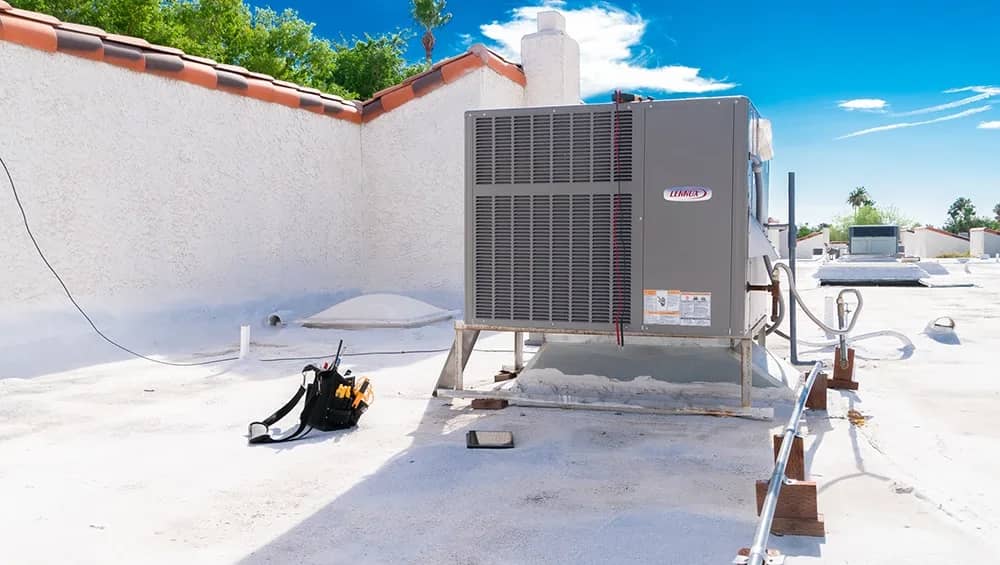
Energy Efficient Heater: Cut Heating Bills Now with Top Upgrades
Short answer: An energy-efficient heater cuts fuel or electricity use while keeping your home comfortable. Pick heat pumps, high-AFUE furnaces, or hybrids based on climate, fuel prices, and duct condition. Size equipment with a Manual J load and add controls. Seal ducts and improve insulation to protect efficiency and comfort. In Las Vegas, where winter temperatures can swing from mild days to cold desert nights, and summer cooling dominates energy bills, efficient heating systems help manage year-round costs. Desert dust, heat extremes, and high energy costs make proper sizing, installation, and maintenance essential for long-term savings.

Las Vegas Energy Efficient Heating Context
Las Vegas homeowners face unique heating challenges due to extreme desert climate conditions. The Las Vegas Valley experiences 310+ days of direct sunlight annually, with summer highs regularly reaching 110-115°F and winter nights that can drop into the 30s. Unlike moderate climates, HVAC systems here operate nearly year-round, with cooling dominating 10-11 months and heating needed during winter months and cold desert nights.
Desert dust storms can clog filters and coils faster, requiring more frequent maintenance and affecting system efficiency. High summer energy bills make efficiency upgrades especially valuable, with many homeowners seeing $100-300+ monthly savings from properly sized, efficient systems. During monsoon season (July-September), humidity spikes can affect both heating and cooling efficiency, making proper system sizing and controls critical.
Neighborhoods across the valley—from Summerlin and Henderson to North Las Vegas, Paradise, and Enterprise—all face similar climate challenges, but home age, insulation quality, and ductwork condition vary significantly. Older homes built before modern energy codes often need duct sealing and insulation upgrades alongside new equipment. Newer homes may only need properly sized equipment, but still benefit from quality installation and commissioning.
Key Takeaways
- Use a room-by-room Manual J load calculation (not a square-foot rule).
- Select equipment with Manual S and verify ducts with Manual D for comfort and efficiency.
- Avoid oversizing: short-cycling wastes fuel and can create uneven temperatures.
What is an energy-efficient heater?
An energy-efficient heater gives more useful heat per unit of fuel or electricity. It uses less energy to reach the same indoor temperature than older or less-efficient models. Efficiency can mean less cost, fewer greenhouse gas emissions, or both, depending on your fuel source and rates.
Efficiency also depends on installation and house condition. Even a top-rated unit loses value if ducts leak or the system is oversized. Controls, thermostats, insulation, and ventilation also affect real-world efficiency. The best choice pairs efficient equipment with good installation and home weatherization.
How is heater efficiency measured?
Heater efficiency is measured several ways, depending on fuel and system type. AFUE describes how much fuel a furnace converts to heat over a year. Heat pumps use HSPF and COP to show seasonal and instantaneous performance. SEER measures cooling efficiency for heat pumps in cooling mode.
Each metric answers a different question. AFUE is percent of fuel turned into heat. COP shows heat out per electrical input at a moment. HSPF averages seasonal heat output per electricity used. Use the metric that matches your system to compare models fairly.
What does AFUE mean and why care?
AFUE stands for Annual Fuel use Efficiency. It shows the share of fuel that becomes useful heat in a typical year. A 90% AFUE furnace turns 90% of the gas into heat. The rest leaves via flue gases or standby losses.
Higher AFUE means lower fuel use for the same heat. However, the extra purchase cost can lengthen payback time. Check your heating fuel bill and hours of use to decide if a higher AFUE model pays off for your home.
How do HSPF and COP affect heat pumps?
HSPF measures seasonal heat output per unit of electricity for heat pumps. A higher HSPF means lower seasonal electric use for heating. COP is the ratio of heat output to electrical input at a specific outdoor temperature and load. A COP above 1 is normal.
COP varies with outdoor temperature. It falls as it gets colder. Cold-climate heat pumps keep higher COPs at low temps. Look for HSPF and low-temperature COP data when choosing a heat pump for cool or cold regions.
What is SEER and when does it matter?
SEER measures cooling efficiency for air conditioners and heat pumps. It matters if you use the same heat pump for both heating and cooling. Higher SEER reduces cooling energy use and can indicate better overall system design and components.
If you live where cooling is a major year-round need, prioritize SEER as part of your choice. In mild climates, heating efficiency metrics like HSPF and COP may still carry more weight.
Try our energy savings guide to see how much you could save.
Which heating types are considered efficient?
Efficient types include modern air-source heat pumps, ductless mini-splits, cold-climate heat pumps, high-AFUE condensing gas furnaces, and well-configured hybrid systems. Electric resistance is the least efficient choice when compared to heat pumps.
Which is best depends on your climate and fuel costs. Heat pumps often win in mild and many cold climates. High-AFUE gas furnaces can make sense where gas is much cheaper and winters are harsh.
How do electric heat pumps save energy?
Heat pumps move heat instead of burning fuel to make it. This allows them to deliver 2 to 4 times more heat energy than the electricity they consume in many conditions. The COP can exceed 1, making them far more efficient than electric resistance heat.
They also provide cooling, which adds value if you need both functions. Duct losses still matter for ducted systems, so a ductless mini-split can be more efficient for leaky-duct homes.
What about high-efficiency gas furnaces?
High-efficiency condensing gas furnaces capture heat from flue gases that older units waste. They commonly reach 90–98% AFUE. The extra savings come from recycling exhaust heat and improved burners and heat exchangers.
Learn about available federal tax credits for energy-efficient HVAC equipment.
They require proper venting and condensate drainage. In homes with good gas prices and very cold winters, upgrading to a condensing furnace can give reliable heat with lower fuel bills than older models. (Source: Energy gov Heat Pump Tips)
How do hybrid systems work?
A hybrid system pairs an electric heat pump with a gas furnace and a controller. The heat pump runs during milder weather to save electricity. The gas furnace kicks in at low temperatures or high load for reliable heat and faster recovery.
Controllers switch between modes based on outdoor temperature or cost signals. Hybrids can offer the best of both worlds in cold climates when electric rates are high relative to gas.
What are efficiency trade-offs?
Higher-efficiency equipment costs more up front. Payback depends on how long you’ll use the system, fuel prices, and hours of operation. Installation quality and duct health can undo efficiency gains. Controls and insulation also affect real savings.
Sometimes replacing only the failing part is cheaper short term. However, buying a slightly more efficient model with good installation often gives the best long-term value. Run lifecycle cost comparisons before deciding.
Which heating technologies cut bills most?
Choosing the technology that lowers bills depends on climate, current fuel, and home characteristics. Heat pumps typically cut heating electricity use versus electric resistance by half or more. High-AFUE furnaces reduce gas consumption compared to older 80% models.
Also consider duct condition, insulation, and thermostat strategy. A modern system with leaky ducts may underperform an older system with tight ducts. Look at whole-home performance, not only equipment labels.
Are air-source heat pumps efficient in mild climates?
Yes. Air-source heat pumps are very efficient in mild climates. They deliver several units of heat per unit of electricity most of the heating season. That translates to big savings versus electric resistance or older gas in some cases.
Mild climates also reduce defrost cycles and maintain high COPs. For homes with AC needs, a single heat pump can replace separate heating and cooling systems, saving on equipment and maintenance.
Can cold-climate heat pumps replace furnaces?
Cold-climate heat pumps can replace furnaces in many northern regions now. Manufacturers tune compressors and refrigerants to keep COPs higher at low outdoor temperatures. Performance in real homes varies, so check low-temp COP and local experience.
Still, very cold stretches may require backup heat or a hybrid configuration. For many homeowners, a cold-climate heat pump provides most heat with lower annual energy use than a furnace.
Is a ductless mini-split right for my rooms?
Ductless mini-splits work well for single rooms, additions, or homes with poor or no ductwork. They avoid duct losses and allow room-by-room control. Efficiency is high because they deliver heat where you need it.
They can be more expensive per ton installed than a central heat pump for whole-home coverage. Consider mini-splits for targeted comfort improvements or when duct retrofit costs are high.
For a detailed cost breakdown, see our HVAC guide.
When is a high AFUE furnace preferable?
A high-AFUE furnace can make sense in very cold climates with low electricity prices or where natural gas is cheap. Homes with existing good ductwork also benefit from efficient furnaces because distribution losses are already low.
If replacing an oil furnace or very old gas model, upgrading to a condensing furnace yields reliable heat and lower fuel use. Balance the retrofit cost against projected fuel savings to judge payback.
Do condensing boilers improve efficiency?
Yes, condensing boilers recover heat from flue gases and run at higher efficiencies than non-condensing boilers. They perform best with lower return water temperatures, which suits radiant floors and efficient distribution systems.
Retrofits to condensing boilers may require changes to piping or controls. The system must handle condensate and maintain appropriate water temperatures for best efficiency.
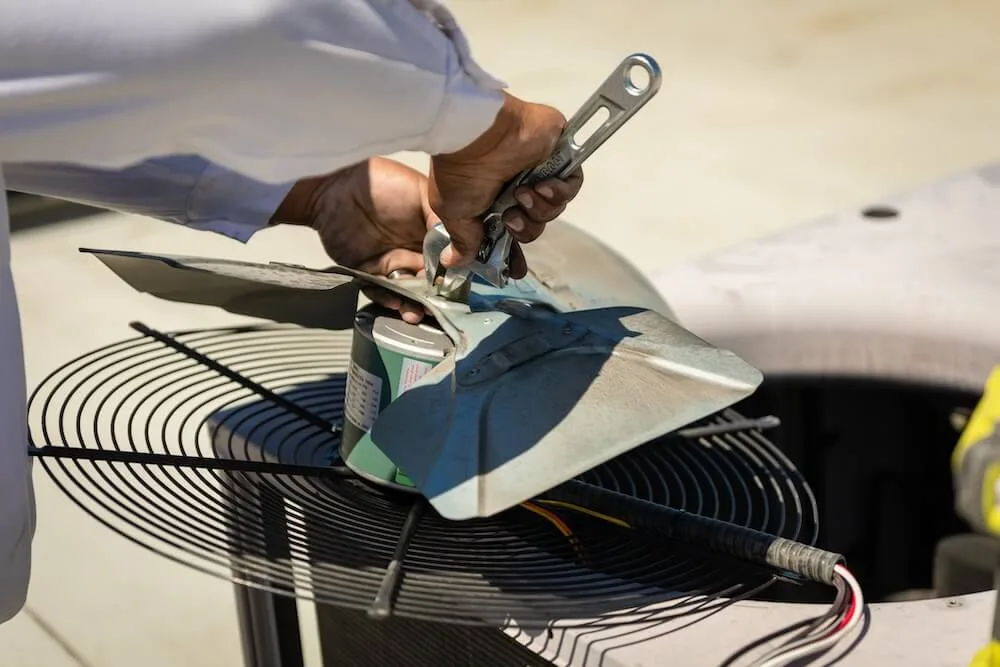
How to pick the best heater for your home?
Choosing the right heater involves climate, fuel costs, ductwork, insulation, and budget. Start with a Manual J load calculation to size capacity. Then compare equipment by expected annual operating cost, not just initial price. (Source: Energy gov Heat Pump Tips)
Also check local incentives and available contractors. High-efficiency units need skilled installation to meet labeled performance. A poor install can cut savings by a large percent.
How should I size my heater?
Size with a Manual J load calculation done by a qualified tech. This calculates heating needs for your home using local climate, building envelope, and occupancy. Avoid rule-of-thumb sizing that copies the old unit size.
Right-sizing prevents short cycling, noise, and uneven heat. Oversized units can cost more to run and wear faster. Proper sizing also helps make efficient equipment deliver promised savings.
What impact does insulation have?
Insulation reduces heat loss and lowers the required heating capacity. Improving insulation and sealing air leaks often offers the fastest and cheapest energy savings. Effective weatherization can allow you to choose a smaller, cheaper heater.
Think of insulation and equipment as a system. A tight, well-insulated house gets more benefit from high-efficiency equipment. Run a cost-benefit check: attic and wall insulation upgrades often pay back quickly.
How to compare lifecycle costs?
Lifecycle cost includes purchase, installation, fuel, maintenance, and expected lifetime. Estimate annual fuel and service costs, then add replacement value prorated over life. Include incentives that cut upfront costs.
A simple payback is useful, but net present value or total cost of ownership shows true value. Use local fuel prices and realistic run hours when estimating savings.
What rebates and incentives are available?
Many utilities and governments offer rebates, tax credits, or low-interest loans for high-efficiency equipment and heat pumps. ENERGY STAR and state programs list qualifying models and rebates. Local utilities often pay for duct sealing or tune-ups too.
Check incentive pages before buying. Incentives can lower the upfront cost dramatically and change which option makes financial sense.
How to evaluate installer credentials?
Look for NATE certification, manufacturer training, and good local reviews. Ask for references from recent similar installs. Verify licensing, liability insurance, and written warranties.
A qualified installer will perform a Manual J, deliver proper refrigerant charge, match ductwork, and test system performance. Insist on startup reports and a written performance guarantee when available.
What questions should I ask contractors?
Ask for a Manual J load calculation and Manual S or sizing recommendation. Request duct leakage testing results if ducts exist. Inquire about refrigerant charge verification and airflow measures for heat pumps.
Also ask for itemized bids, warranty details, expected COP or HSPF values, and references. Get a written description of any required duct or vent changes and their costs.
How does zoning affect comfort and cost?
Zoning divides a home into temperature-controlled areas to match occupancy and use. It reduces wasted heating in unused rooms and improves comfort in larger, multi-story homes. Zoning often reduces energy use when used well.
Zoned systems add equipment and controls. The added cost is worth it if you have significant temperature differences or variable occupancy. Proper design prevents short cycling and maintains efficiency.
What builder mistakes raise bills?
Common mistakes include oversized equipment, undersized or leaky ducts, poor airflow, and missing load calculations. Lack of insulation or poor air sealing at construction also increases heating needs unnecessarily.
Fixing those issues often yields the biggest savings. When replacing equipment, avoid copying the original design if the house envelope or occupancy has changed.
How to choose between heat pump and furnace?
Base the choice on climate, fuel prices, and existing systems. In mild climates, heat pumps usually win on energy and cost. In cold climates, cold-climate heat pumps or hybrids may be best. If gas is very cheap and winters are harsh, a high-AFUE furnace could be better.
Run a lifecycle and payback comparison using estimated heating hours and local prices. Consider incentives and possible future changes to electricity or gas costs. (Source: Energy gov Heat Pump Tips)
What about installation, sizing, and controls?
Good equipment needs correct installation and controls to deliver promised savings. Installers must verify refrigerant charge, airflow, and duct condition. Smart thermostats and zoning add measurable savings when set up properly.
Controls amplify equipment efficiency. A poorly sized or installed system tends to short-cycle and waste energy. Prioritize quality installation and balanced airflow as much as equipment efficiency.
Why does proper sizing matter?
Proper sizing ensures the heater runs long enough to operate efficiently and remove humidity when needed. An oversized unit cycles on and off often. This increases wear and reduces real seasonal efficiency.
A correctly sized system also avoids wide temperature swings and cold spots. It runs more quietly and lasts longer. Use a Manual J load to size equipment accurately.
How do smart thermostats save energy?
Smart thermostats adjust setpoints based on occupancy, schedules, and learning algorithms. They can reduce run time during unoccupied periods and adapt to real behavior. Some models factor in utility rates and weather forecasts.
Connected thermostats also help with remote control and diagnostics. They are most effective when paired with system tuning and good insulation to avoid comfort complaints that lead to higher setpoints.
Can zoning reduce run time?
Yes. Zoning lets you heat only occupied areas and keep other areas cooler. That reduces total run time and saves fuel or electricity. The benefit is strongest when occupancy patterns are predictable.
Careful control design prevents short cycling and ensures balanced airflow between zones. Motorized dampers and smart thermostats coordinate to maintain efficiency and comfort.
How to maintain and troubleshoot heaters?
Regular maintenance keeps efficiency high and prevents breakdowns. Schedule annual service for furnaces and heat pumps. Replace filters regularly and keep outdoor units clear of debris. Small, regular actions protect efficiency and lower bills.
Troubleshoot early signs like reduced airflow, frequent cycling, or rising bills. Some issues you can check yourself, but refrigerant handling, gas lines, and combustion checks require a licensed technician.
How often should I service my heater?
Service most heaters at least once a year. For heat pumps, get both a fall and spring check if you use them for heating and cooling. Regular tune-ups keep components clean and catch leaks or control faults.
High-use systems may need service more often. Follow the manufacturer's schedule and ask your installer for a written maintenance plan to protect warranties and ensure top performance.
What filter and airflow maintenance is needed?
Replace or clean filters per manufacturer recommendations, often every 1–3 months. Dirty filters reduce airflow and force the system to work harder. Check supply and return vents for blockages.
Also inspect blower components and clean coils as part of annual service. Proper airflow ensures heat exchangers and refrigerant systems operate efficiently and safely.
How to prevent short cycling?
Short cycling can be caused by oversizing, thermostat placement, airflow restrictions, or control faults. Have a tech check the sizing and airflow. Also verify thermostat calibration and wiring.
Addressing duct restrictions, replacing dirty filters, and correcting control settings often stops short cycling. If problems persist, inspect for failing components like capacitors or faulty control boards.
What signs indicate a failing heat pump?
Watch for less heat at moderate outdoor temps, long run times, strange noises, or more frost during cold weather. You may also see higher electricity use. These signs suggest airflow, refrigerant, or compressor issues.
Early diagnosis often prevents compressor failure. Call a trained technician if you notice sudden performance drops or frequent defrost cycles. (Source: Energy gov Heat Pump Tips)
How to check furnace combustion and vents?
Combustion checks require a licensed technician. They measure flame quality, CO levels, and draft. Inspect vents for blockages and ensure condensate lines for condensing furnaces are clear.
Do not run combustion tests yourself. Gas connections and venting affect safety and should be handled by a professional.
What maintenance lowers energy use?
Regular filter changes, coil cleaning, refrigerant checks, and duct sealing lower energy use. Also maintain correct thermostat settings and repair leaks in the building envelope. Small fixes often yield big savings.
A seasonal tune-up that includes airflow verification and calibration can restore lost efficiency to near-new levels.
How does duct sealing improve efficiency?
Sealing ducts prevents conditioned air from leaking into attics, crawlspaces, or wall cavities. This keeps more heat in the living space and reduces runtime. Aim for less than 10–15% total leakage in most homes.
Methods include mastic, specialized tapes, and foam sealing. A duct test (blower door or duct blaster) confirms leakage and guides repairs.
When to repair vs replace equipment?
Repair when the system is relatively new and the repair cost is low compared to remaining life. Replace if the equipment is old, repairs are frequent, or efficiency gains from new equipment justify the cost.
If a major component like a compressor or heat exchanger fails, compare repair cost to replacement. Consider incentives and future fuel price trends when deciding.
How to troubleshoot thermostat issues?
Check thermostat batteries, wiring, and placement away from drafts or heat sources. Verify programming and ensure the system type setting matches the equipment. A simple restart sometimes clears communication errors.
If the thermostat shows correct settings but the system won’t run, inspect breakers and fuses. For smart thermostats, check Wi-Fi and app settings or contact the manufacturer.
What are typical maintenance costs?
Annual tune-ups often range from $100 to $300 depending on system and region. More extensive checks or duct sealing cost more. Regular minor maintenance is much cheaper than emergency repairs or early replacement.
Budget for filter replacements and occasional parts. Investing in a maintenance plan can reduce long-term costs and ensure scheduled service.
How often replace air filters?
Many homes need filter changes every 1–3 months. Homes with pets, smokers, or high dust may require more frequent changes. Use the MERV rating recommended by your HVAC tech to balance filtration and airflow.
A clogged filter reduces airflow and raises energy use. Keep a simple schedule for visual checks and replacement to maintain efficiency.
Where to find certified service technicians?
Search for NATE-certified technicians, manufacturer-certified contractors, or local firms with strong reviews. Ask for proof of licensing and insurance. A good contractor will provide a written scope and references.
For buyers outside your area, use NATE (natex.org) to find certified techs. Check local utility lists for pre-qualified contractors and incentive program partners.
What Can Change Total Heating System Cost
- System type (heat pump vs furnace vs hybrid)
- Efficiency ratings (SEER2, HSPF2, AFUE)
- Ductwork condition and need for sealing/repair
- Home size and Manual J load calculation results
- Installation complexity (attic vs ground-level access)
- Smart thermostat and zoning options
- Rebates and incentives available
Energy Efficient Heater Decision Checklist
- Get a Manual J load calculation (not square-foot rules)
- Compare heat pumps vs high-AFUE furnaces for your climate
- Evaluate existing ductwork condition and sealing needs
- Check local utility rebates and federal tax credits
- Request itemized bids with efficiency ratings
- Verify installer credentials (NATE certification, licensing)
- Consider lifecycle costs, not just upfront price
- Plan for proper maintenance to protect efficiency
Typical Energy Efficient Heater Costs in Las Vegas
Heating system costs vary by equipment type, efficiency rating, and installation complexity. In Las Vegas, where cooling dominates but heating is still needed:
- Heat pumps (air-source): $4,500 to $12,000+ (includes heating and cooling)
- High-efficiency gas furnaces (90-98% AFUE): $3,500 to $8,000+
- Ductless mini-split systems: $3,000 to $10,000+ (per zone)
- Hybrid systems (heat pump + furnace): $6,000 to $15,000+
- Duct sealing and insulation upgrades: $500 to $3,000+
- Smart thermostat installation: $200 to $500+
Las Vegas cost drivers: Desert heat and dust require more frequent maintenance. Older homes may need ductwork repairs or insulation upgrades. Peak installation season (spring/fall) may have higher demand. Utility rebates and federal tax credits can reduce upfront costs by $500-$2,000+.
Prevention and Maintenance Tips for Las Vegas Homes
Preventive maintenance protects efficiency and reduces heating costs, especially in Las Vegas:
- Regular filter changes: Replace filters every 1-3 months, especially during dust storm season (spring and summer)
- Annual tune-ups: Schedule fall maintenance before temperatures drop to catch issues early
- Coil cleaning: Clean indoor and outdoor coils annually to maintain efficiency
- Duct inspection: Check for leaks and seal gaps to prevent energy waste
- Thermostat programming: Use setback schedules to reduce runtime during unoccupied hours
- Monitor energy bills: Track monthly costs to spot efficiency declines before major failures
- Outdoor unit care: Keep heat pump units clear of debris, plants, and dust buildup
- Insulation upgrades: Improve attic and wall insulation to reduce heating load
Key Takeaways
Summary of savings and priorities
Efficient heating saves fuel and money when matched to home and climate. Prioritize a Manual J load, duct sealing, and proper installation. Consider heat pumps in mild climates and cold-climate models or hybrids in colder regions. Factor incentives and lifecycle costs into the purchase decision.
FAQs
Which upgrade saves most first? Insulation and duct sealing often yield the fastest payback. Can I install a heat pump myself? No, refrigerant and electrical work require licensed pros. How long before I see savings? Typical payback varies by project and incentives, but annual savings show up right away on bills.
Share This Page
Ready to upgrade and save?
If you’re in Las Vegas, Henderson, or North Las Vegas and ready to move, call The Cooling Company at (702) 567-0707 for an on-site assessment and manual load calculation. We offer heat pump installs, high-AFUE furnace swaps, duct testing, and smart thermostat setup. Our techs provide written bids and performance testing.
Outside our service area? Use NATE (natex.org) to find certified technicians and refer to ENERGY STAR or your local utility for incentive lists. If you are local, schedule a free consult with The Cooling Company. We’ll size the system, inspect ducts, and show cost, savings, and incentive details so you can decide with confidence.
Related reading: what to explore next?
- Energy Efficient Heating and Cooling: Smart Upgrades to Cut Bills
- Best Heating Systems for Las Vegas Homes
- Furnace Maintenance: The Vegas Guide to Reliable, Safe Heat
- Heating Repair vs Replacement: How to Decide
About The Cooling Company
- Phone: (702) 567-0707
References
- U.S. Department of Energy (Energy.gov) (accessed 2025-12-24)
- U.S. Environmental Protection Agency (EPA) (accessed 2025-12-24)
- ASHRAE (Standards and guidance) (accessed 2025-12-24)
- ENERGY STAR (Heating & cooling) (accessed 2025-12-24)
Related service: Considering a heat pump for your Las Vegas home? Explore our heat pump installation and heating services services for Las Vegas homeowners.
Need Heating Service in Las Vegas?
The Cooling Company provides expert heating service throughout Las Vegas, Henderson, and North Las Vegas. Our licensed technicians deliver honest assessments, upfront pricing, and reliable results.
Call (702) 567-0707 or visit heating services, furnace repair, heat pump installation, or heating maintenance for details.