

Short answer: Replace your furnace filter every 1-3 months, or monthly during heavy-use seasons in Las Vegas. Use a MERV 8-11 rated pleated filter that fits your system, slide it in with the airflow arrow pointing toward the blower, and mark the install date. A clean filter improves airflow, cuts energy bills, and prevents costly strain on your HVAC system.
(Source: ASHRAE Technical Resources)
Key Takeaways
- Inspect filters monthly during heavy-use seasons and note install dates.
- Use MERV 8–11 for most homes; check before moving to MERV 13.
- Replace 1" filters every 1–3 months; 2" pleats last longer.
- Have a pro measure static pressure if you want higher-MERV media.
Changing your furnace filter now improves airflow, raises comfort, and cuts energy use. A clean filter shortens blower runtime and prevents costly wear on parts. Inspect monthly during heavy seasons and replace based on depth and MERV. Check equipment limits before using higher-MERV media.

Why change your furnace filter now?
A clogged filter reduces airflow and forces the blower to run longer. Longer runtime raises electricity use and speeds wear on parts. Changing a filter is cheap and quick, and it prevents problems that can cost hundreds of dollars to fix. When you act now, you avoid the compounding damage of long-term low airflow.
Clean filters also improve comfort and indoor air quality in the home. You will see less dust on furniture and fewer allergy triggers in rooms. Regular changes lower the chance of coil icing in cooling mode and reduce short cycling in heating mode, which helps steady bills. Timely filter changes are one of the simplest ways to maintain steady temperature and protect the HVAC system.
How does a filter affect furnace efficiency?
A filter sits in the air path and captures dust and particles. Clean media allows designed airflow so the blower moves the right volume of air. When airflow drops, the furnace runs longer to reach thermostat settings. That extra runtime raises energy use and increases wear on the blower motor and bearings, which reduces system life. (Source: ASHRAE Technical Resources)
What happens when filters get clogged?
Clogged filters trap more dirt and cut airflow to the system. Reduced airflow makes temperatures uneven and forces the blower to work harder. Overheating safety limits may trip, and repeated stress shortens motors and bearings. If left unaddressed, this stress often leads to earlier failures and higher repair bills.
Which filter is right for your home?
Choosing the right filter balances particle removal and airflow through your system. Measure the slot carefully and use exact inches when ordering filters. If you have pets or allergies, consider higher MERV but confirm the air handler can handle the added resistance. The wrong choice can reduce comfort and increase energy use even as it removes more particles.
Budget and depth matter too. Basic fiberglass is cheap but traps less dust and needs frequent changes. Pleated media traps more and often costs more. For many homes, a pleated MERV 8–11 in a 1–2" depth is a good balance between cleaning and airflow. Deeper media traps more dirt and often runs longer between changes, but it may not fit all systems.
How do I read filter sizing labels?
Labeling often shows nominal sizes like 20x25x1 but actual sizes may differ. Always measure the slot length, width, and depth in inches for a precise fit. A tight fit prevents bypass that reduces filtration and keeps the system working as designed. If a filter is too small, air will move around the frame and bypass the media.
What is MERV and why does it matter?
MERV stands for Minimum Efficiency Reporting Value and rates particle capture by size. Higher MERV removes smaller particles and improves indoor air cleanliness. That added capture often raises resistance, so higher MERV may not suit every air handler or furnace. Confirming limits helps avoid reduced airflow and possible warranty issues.
Which MERV level suits typical homes?
Most single-family homes do well with MERV 8–11 filters to trap household dust and common allergens. If occupants have severe allergies, MERV 13 can help if equipment supports it. A good low-risk option is to add portable HEPA cleaners in bedrooms while keeping the HVAC filter at a level the system can handle.
Are high-MERV filters safe for all furnaces?
Not always safe without checking equipment limits. High-MERV filters can increase pressure drop and lower airflow. Older furnaces or small blowers may not move enough air with high-MERV media. Check the furnace or air handler spec sheet or ask a pro before upgrading. Measuring static pressure tells you if a change is safe.
Do pleated filters last longer than fiberglass?
Yes, pleated filters have more media area and trap more dust before reaching high resistance. A pleated 1" filter will usually outlast a basic fiberglass 1" filter. Deeper pleated options like 2" or 4" last longer and often maintain lower pressure rise for better airflow. That means longer intervals between changes and less waste.
How often should you inspect and replace filters?
Inspect filters monthly during spring and fall and during heavy-use months like winter and summer. The inspection schedule depends on filter depth, media type, and home conditions like pets or nearby construction. A monthly look prevents surprises and helps you avoid running a heavily loaded filter through peak seasons.
Replacement timing varies by depth and load. One-inch disposable filters commonly need changing every 1–3 months. Two- to three-inch pleated filters often last 3–6 months. Four-inch media filters may run 6–12 months, but check them monthly in heavy seasons. Replace earlier if you see reduced airflow or if allergy symptoms rise. [Point 1] (Source: ASHRAE Technical Resources)
How do pets and allergies change schedules?
Homes with pets load filters faster with dander and hair, so inspect filters monthly and expect more frequent changes. Allergy households may use higher-MERV filters and still change more often to keep particle counts down. More frequent changes keep the system efficient and lower the risk of symptoms worsening indoors.
What monthly checks should homeowners do per EPA guidance?
The EPA suggests checking filters visually for dust loading and for a snug fit in the slot. Look for gaps, crushed frames, or wet spots that could signal other issues. Write the install date on the frame so you know when to replace next. Keep a simple log or photo to track progress and spot trends.
Can a filter look clean but restrict airflow?
Yes, filters can trap fine particles deep in the media and still look less dirty at the surface. A gradual pressure rise can reduce airflow even if the filter looks only lightly soiled. Use run time and system performance cues as well as visual checks. If rooms take longer to heat or cool, check the filter even if it appears clean.
When is seasonal replacement recommended?
Install a fresh filter at fall furnace startup and again in spring before heavy AC use. Seasonal replacement helps avoid running a loaded filter through peak months. Also add changes during pollen season, wildfire smoke events, or nearby construction that raise particle loads. Seasonal swaps are a simple habit that pays off in comfort and energy savings.
How to set reminders for filter changes?
Write the install date on the filter frame with a permanent marker and set a phone calendar reminder. Many online retailers offer subscription delivery timed to expected life. Smart thermostats and home maintenance apps can also send helpful alerts. A simple paper calendar in the utility area also works well for some households.
Which filters reduce odors most?
Standard pleated filters remove particles but not odors. For odor control, choose filters with activated carbon or an odor-control layer. These capture some gases and smoke smells but may increase resistance. Check equipment limits and replace them on the maker’s schedule to keep odor media effective.
How to change a furnace filter step by step?
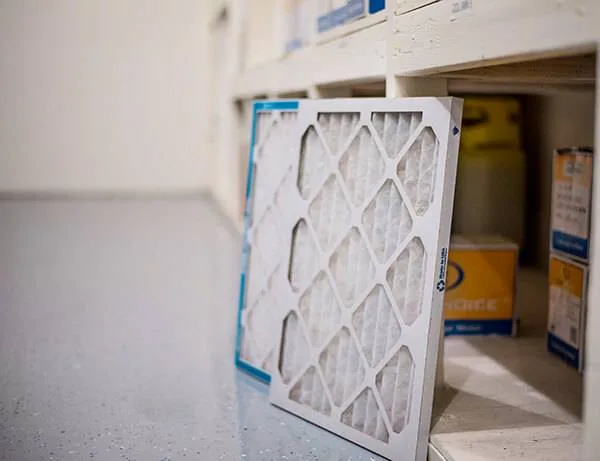
Changing a filter is safe and simple for most homeowners when you follow basic steps. Turn off power to the furnace with the switch or breaker. This stops the blower and reduces risk while you work near moving parts. Work carefully and use a flashlight to see inside the slot.
Next, pull the old filter straight out and inspect the slot. Verify the nominal size on the frame or measure the slot. Insert the new filter with the arrow pointing toward the furnace blower. Close the access panel and note the install date. If you see moisture, rust, or heavy dust behind the filter, consider having a pro inspect the system.
Where to find the filter slot and arrow?
Filter slots are often in the return-air plenum, the air handler cabinet, or a wall grate near the furnace. Look for a rectangular slot with a removable cover. The arrow on the frame shows the correct airflow direction toward the furnace blower. If you cannot find the slot, consult the unit label or the owner’s manual.
What tools and safety steps are needed?
You need a flashlight, tape measure, and a permanent marker to date the filter. Some panels require a screwdriver. Always switch off power at the breaker or the furnace switch before opening the access panel to avoid contact with moving parts. Wear gloves if the filter is dusty. [Point 2] (Source: ASHRAE Technical Resources)
How to insert filters with correct airflow?
Slide the filter into the slot with the arrow pointing to the blower. A snug fit stops bypass around the frame, and correct orientation helps the media load evenly. If the filter does not fit, check dimensions; never force a wrong size into the slot. A poor fit reduces filtration and increases pressure on the blower.
What problems need a pro's help?
If airflow stays low after replacing a new filter, suspect duct leaks, a failing blower, or wrong static pressure. Strange noises, short cycling, or rising bills after a filter change are signs to call a technician who can measure and diagnose the system. Early diagnosis saves time and avoids repeated service calls.
A pro can measure static pressure, test blower operation, and inspect coils and the heat exchanger. They confirm whether a higher-MERV filter is safe and recommend blower or duct fixes if needed. Scheduling regular HVAC maintenance prevents small issues from becoming costly repairs and ensures safe, proper operation.
When should a clogged filter prompt a service call?
If changing a clogged filter does not restore normal airflow and comfort, call a technician. Also call if the system trips safety limits, shows high return-air temperatures, or emits burning smells. These signs point to deeper problems than the filter and may need prompt repair to avoid hazards.
How to tell if reduced airflow is a filter issue?
Replace the filter first to rule it out, then check supply registers for blockages. If airflow still seems low, have a pro measure static pressure. Technicians use a manometer to pinpoint where resistance occurs and find a root cause. Professional measurement is the surest way to separate filter issues from duct or blower faults.
Can wrong MERV cause system short cycling?
Yes, too-high MERV can raise resistance and reduce airflow. Reduced airflow may make the furnace overheat and trip safety limits, leading to short cycling. Short cycles reduce comfort and raise wear, so confirm equipment limits before upgrading MERV. If short cycling begins after a filter change, revert to the recommended media and call a tech.
What signs mean the blower is overworking?
Listen for louder motor noise or high-pitched whines. Notice longer run times to achieve set temperatures or higher energy bills without thermostat changes. Warm motor housings and burning smells are urgent signs that the blower is strained and needs attention. If you hear new noises after a filter change, stop and inspect the filter fit and type.
When does furnace icing indicate a bigger problem?
Icing on the evaporator coil in cooling mode often stems from low airflow or refrigerant issues. A dirty filter can start the problem, but persistent icing after a change suggests refrigerant charge or coil obstruction. Call a pro before cycling the system repeatedly. Repeated icing can damage the compressor and reduce cooling capacity.
How to check static pressure safely?
Measuring static pressure uses a manometer and small probes in the return and supply ducts. This is a pro-level task that requires correct probe placement and interpretation. Incorrect measurements can mislead, so have a trained technician perform the test. Proper tests show whether the system can take a higher-MERV filter.
Should you replace filters after HVAC repairs?
Yes. Technicians can release dust and debris when they open the system. A fresh filter prevents re-circulating that material. Also mark the repair date on the filter frame so future inspections align with service history and any warranty documentation. A clean filter helps any new repair perform as intended.
How do manufacturer limits affect filter choice?
Furnace and air handler manuals list allowable external static pressure and sometimes filter types. Exceeding those limits can change fan performance and may void warranties. Consult the manual or ask the manufacturer or a certified technician before moving to higher-MERV media. The right filter choice protects both performance and warranty coverage.
See why homeowners trust us — view our industry awards and certifications.
When to ask for professional airflow testing?
Ask for airflow testing if you see persistent comfort issues, unexplained energy spikes, or if you plan a MERV upgrade. Technicians measure static pressure, supply and return airflow, and temperature rise. Those tests show what your system can safely handle and guide choices that improve air quality without harming airflow.
How can a tech measure MERV impacts using ASHRAE methods?
A tech can use a manometer and particle counters to compare baseline airflow and pressure before and after a filter change. ASHRAE-guided tests help determine the real impact of a new filter. Request written measurements to keep a record of system limits and to guide future filter upgrades. [Point 3] (Source: ASHRAE Technical Resources)
Browse our project portfolio to see examples of our installation work.
FAQs
What is the cheapest effective filter for a rental unit? A pleated MERV 8 1" filter often balances cost and performance. It lasts longer than fiberglass and helps cut dust. Replace it every 1–3 months depending on occupancy and dirt levels to keep tenants comfortable. For rentals, choose a size that matches the slot exactly to reduce tenant confusion.
Can filters stop wildfire smoke? Higher-MERV filters remove more smoke particles, but HEPA does better for very small particles. During wildfire events, run a portable HEPA cleaner in living areas and consider MERV 13 in your HVAC only if equipment allows that pressure drop safely. Keep windows closed and use exhaust fans sparingly to limit smoke entry.
Are proprietary filters better? Brand names matter less than test data and fit. Match exact slot dimensions and MERV ratings. Pick a reputable maker that lists filtration performance and sizing data to avoid surprises with fit or efficiency. A clear label and test data are more useful than a brand name alone.
Do smart thermostats remind me to change filters? Many smart thermostats offer maintenance alerts based on runtime. These reminders help keep a schedule but still inspect filters visually in heavy-use seasons. A visual check catches wet or damaged frames that runtime alerts miss. Pairing reminders with a written log gives the best results.
Ready to replace your filter?
If you live in the Las Vegas area and want a pro check, call The Cooling Company at (702) 567-0707. We serve Las Vegas, Henderson, and North Las Vegas and can inspect your system, measure static pressure, and recommend the right filter or upgrade. We date the filter and leave a clear schedule for future changes.
For residents outside our service area, use NATE-certified technicians listed at NATE's directory for reliable, tested skills. Certification indicates the tech has documented training and follows best practices for airflow testing and safe filter upgrades. Choosing a certified tech helps ensure safe, documented work.
How to schedule a professional inspection?
Las Vegas area readers can call The Cooling Company at (702) 567-0707 to book an inspection. When you call, describe pets, allergies, or recent issues so the scheduler can pick the right service. We offer airflow testing and filter compatibility checks to avoid problems from higher-MERV media.
Where to buy reliable filters and brands?
Buy from retailers or brands that publish MERV and ASHRAE test data and list exact dimensions. For subscriptions, choose sellers that ship the exact measured size and have clear return policies. During an inspection, The Cooling Company can recommend brands that match your unit. Keep receipts or order records to match filters with service history.
If you want The Cooling Company to check your HVAC while you replace the filter, call (702) 567-0707. We serve Las Vegas, Henderson, and North Las Vegas with expert filter advice, static pressure testing, and full HVAC service.
Sources: ASHRAE Technical Resources
Related reading: what to explore next?
- Why Is My Upstairs So Hot: And Downstairs Cold 3 Fast Fixes to Try Now
- Furnace Filter Replacement Guide: Step-by-Step for Cleaner Air
- Furnace Maintenance Checklist for Homeowners
- Annual Furnace Maintenance Benefits
About The Cooling Company
- Phone: (702) 567-0707
References
- U.S. Department of Energy (Energy.gov) (accessed 2025-12-24)
- U.S. Environmental Protection Agency (EPA) (accessed 2025-12-24)
- ASHRAE (Standards and guidance) (accessed 2025-12-24)
- ENERGY STAR (Heating & cooling) (accessed 2025-12-24)
Related service: Need furnace service in Las Vegas? Explore our furnace repair and heating maintenance services for Las Vegas homeowners.
Need Heating Service in Las Vegas?
The Cooling Company provides expert heating service throughout Las Vegas, Henderson, and North Las Vegas. Our licensed technicians deliver honest assessments, upfront pricing, and reliable results.
Call (702) 567-0707 or visit heating, furnace repair, heat pump installation, or heating maintenance for details.