
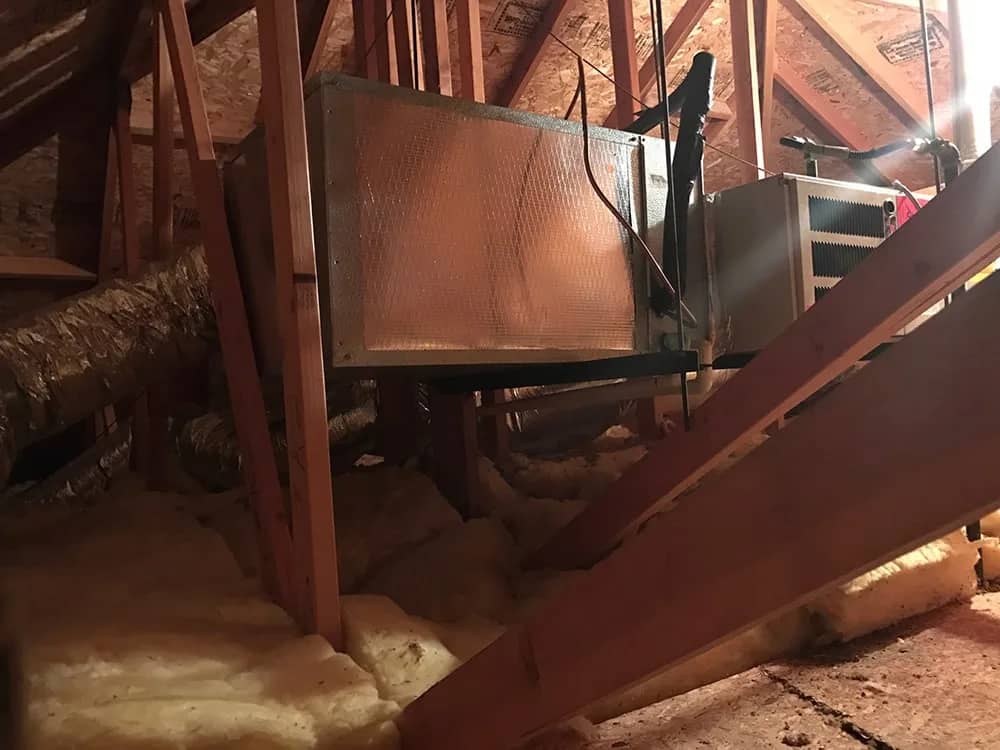
Short answer: Discover HVAC maintenance tips: 7 simple upgrades you can do before winter, like ducted exhaust and filtration to help you breathe cleaner air this season.
Key Takeaways
- Use a room-by-room Manual J load calculation (not a square-foot rule).
- Select equipment with Manual S and verify ducts with Manual D for comfort and efficiency.
- Avoid oversizing: short-cycling wastes fuel and can create uneven temperatures.
Winter brings closed windows, more indoor time, and higher risk for indoor pollutants. This guide lists seven practical HVAC-focused upgrades to improve indoor air quality and comfort before winter. Follow the order here to avoid common retrofit mistakes. Start with combustion safety and sealing, then add ventilation and filtration only after verifying system capacity. The steps are simple, but the.

Why prioritize healthy home upgrades before winter?
Winter closes homes up. People cook more indoors. Moisture from showers and drying clothes rises. These patterns raise indoor pollutant levels and the risk of mold. Planning upgrades before winter gives you time to evaluate options and to book trained technicians. It also reduces the chance of emergency repairs in freezing weather. Contractors are easier to reach in fall, and installations go faster when conditions are mild.
Taking action early also protects health. Reducing fine particles, radon, and combustion byproducts keeps family members safer. Many small upgrades yield big benefits in comfort and avoid long-term damage, like rot from chronic condensation or black mold growth behind bathroom walls.
What is a healthy home and why it matters?
A healthy home has low pollutant levels, controlled moisture, and safe combustion appliance venting. It minimizes dust, allergens, and combustion gases. This reduces triggers for asthma and allergies and lowers long-term respiratory risk. Comfortable humidity and steady temperatures also improve sleep and daily function.
Simple fixes often pay back in quality of life. Buyers and renters notice well-maintained systems. A clear record of tests and maintenance increases property value and reduces disputes later.
How does indoor air quality affect health?
Short-term exposure to smoke or PM2.5 causes coughing, eye irritation, and sore throat. For sensitive people, it can trigger wheeze or attacks. Long-term exposure links to chronic lung disease and heart problems. Radon exposure increases lung cancer risk over time.
Reducing indoor particle levels helps sleep quality and reduces sick days. Families commonly report fewer colds and better sleep after basic IAQ improvements. These wins are often visible within days of adding a good filter or a portable HEPA unit.
Should I check for combustion safety first?
Yes. Always confirm combustion appliances vent correctly before you tighten the building envelope. Sealing and adding mechanical ventilation can change house pressure. That may cause backdraft and spillage from furnaces, water heaters, or fireplaces. A combustion safety test checks for flue spillage, carbon monoxide, and correct draft.
Have a licensed technician perform spillage and CO tests. Fixing a venting problem early is usually affordable and fast. Until combusion safety is confirmed, avoid projects that reduce natural air leakage in the house.
Check our HVAC pricing guide for current cost estimates.
Which basic HVAC upgrades give biggest benefits?
Start with source control and ventilation. A ducted range hood and vented bathroom fans remove moisture and cooking pollutants at the source. These reduce load on filters and keep surfaces dry. Next, verify that your air handler and ducts can support a higher-efficiency filter. If they can, whole-house MERV-13 filtration cleans all rooms when the fan runs.
If the system cannot handle MERV-13, use portable HEPA cleaners in occupied rooms and consider a fan upgrade. In many homes, adding a small ERV or HRV for balanced ventilation reduces energy penalties when bringing in outdoor air. The right order and measured approach give the biggest health returns for your investment.
Why upgrade ventilation first?
Ventilation dilutes indoor pollutants and removes excess moisture. Filters work better when pollutant peaks are lower. Continuous balanced ventilation is the most reliable way to keep air fresh without big heat loss. ERVs and HRVs recover heat or energy from outgoing air, which reduces heating costs compared with simple outside-air intake.
Correct ventilation sizing avoids over-ventilating and wasting energy. Use ASHRAE 62.2 to size whole-house ventilation so you get a steady and predictable fresh-air rate.
What is balanced ventilation vs exhaust-only?
Balanced ventilation supplies and exhausts the same amount of air. ERV and HRV units have two fans and a heat exchanger. They keep house pressure near neutral. That reduces the risk of backdraft from combustion appliances and limits uncontrolled cold drafts.
Exhaust-only systems use a fan to pull air out and rely on leaks for make-up air. That can draw cold air through gaps and can alter appliance venting. Use exhaust-only only when balanced ventilation is not feasible or when budgets limit options.
How to choose a kitchen range hood?
Choose a hood that vents outdoors. For average cooking, 300 cfm is usually adequate. For heavy cooking or gas ranges, pick 600 cfm or more. High flow rates remove more particles and gases near the source, improving kitchen and whole-home air quality.
Preference for quieter operation favors remote blowers mounted in attics or on exterior walls. Ducted models outperform recirculating hoods for particle and odor removal. Proper duct routing and short runs improve performance and reduce noise.
Should bathroom fans be vented outdoors?
Yes. Bathroom fans must vent outdoors to remove moisture and prevent mold. Do not vent into attic spaces or soffits. Use short, straight ducts to reduce resistance and noise. Install timers or humidity sensors to ensure fans run long enough after showers.
Long runs or many bends reduce fan effectiveness and invite condensation. Properly-installed vents keep walls and ceilings dry and reduce long-term repair costs.
Which filtration options should I consider?
Filtration depends on goals and system capacity. Whole-house filters clean all rooms when the fan runs. Portable HEPA cleaners give strong, fast removal in single rooms and are ideal for smoke events. Check your blower and ducts before moving to higher-MERV filters. High-efficiency filters increase pressure drop. That can reduce airflow if the fan is not able to maintain home airflow.
You may qualify for federal tax credits that reduce your upfront cost.
A static pressure check is the right test. If it shows the system can handle MERV-13, whole-house filtration is attractive. If not, use portable HEPA units in bedrooms and living rooms and consider a fan or filter rack upgrade later.
Portable HEPA vs whole-house filters: which to pick?
Pick whole-house filtration if your air handler can handle a MERV-13 without losing airflow. Whole-house systems clean the entire home but need enough runtime to make a difference. Portable HEPA cleaners help in occupied rooms. They are flexible, inexpensive, and rated by CADR so you can match size to room volume.
Portables are the fastest solution for smoke or temporary pollution. Use CADR ratings to choose a unit sized for bedrooms and living spaces.
What does MERV rating really mean?
MERV measures a filter's ability to capture particles in different size ranges. Higher MERV removes smaller particles, including much of PM2.5, which affects the lungs. MERV-13 is a common target for health-focused filtration in homes.
Higher-MERV filters can capture more allergens and fine particles. However, they add resistance and require a system that can maintain airflow. Always test static pressure before upgrading.
Can a higher MERV hurt HVAC performance?
Yes. If the blower and ductwork are not rated for the added resistance, higher-MERV filters lower airflow. That reduces heat delivery and can make rooms feel colder or less comfortable. Systems may run longer and use more energy to meet thermostat setpoints.
Have a technician test static pressure before you install MERV-13. If pressure is too high, options include upgrading the fan motor to an ECM or using portable HEPA units instead.
When should I call an HVAC pro?
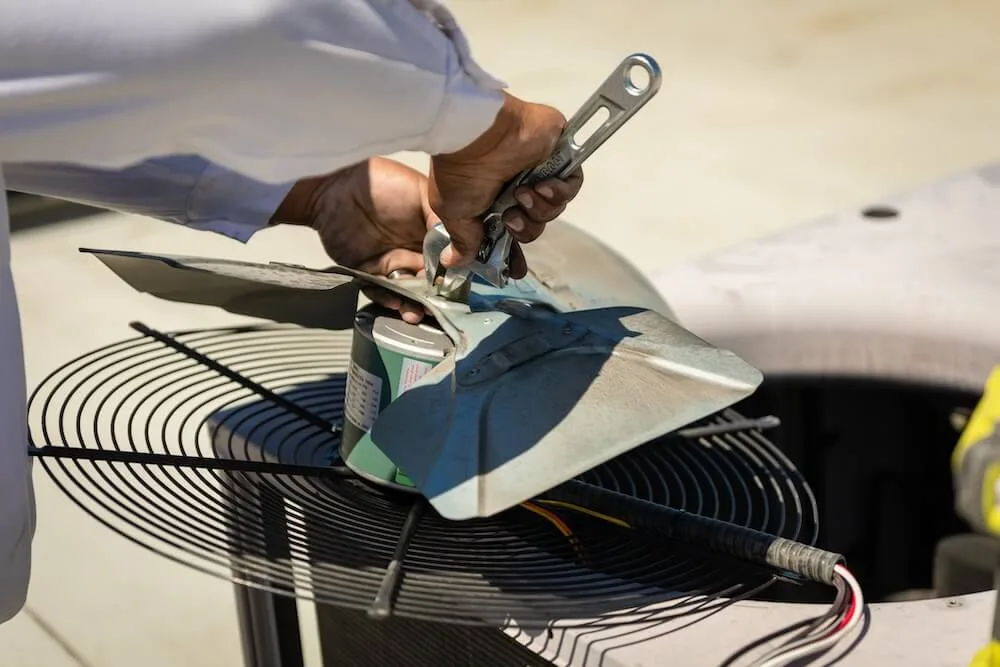
Call a professional for any diagnostic tests and for complex installs. Tasks that need a pro include static pressure and blower testing, duct sealing, ERV/HRV installation, and combustion safety checks. These tasks need trained technicians and special tools. A pro can provide a written diagnostic report with measured numbers you can keep.
Simple visual checks you can do first include looking for blocked return grilles, visible duct damage, and dirty filter racks. If you find dust near vents or uneven heating, bring in a pro for tests and recommendations.
How to assess your current HVAC system?
Begin with easy observations. Check the filter access for cleanliness. Inspect return grilles and supply registers for dust buildup. Note whether the blower appears old and whether it is single-speed or variable-speed.
If airflow feels weak, take photos of vents and of the air handler access panel. These help technicians plan appropriate tests and give you a baseline for comparison after work is done.
What diagnostic checks does a pro perform?
Technicians perform a static pressure test at the air handler to measure system resistance. They may measure airflow at vents, test for duct leaks, and run combustion spillage and CO tests on gas appliances. These measures show system limits and identify needed upgrades.
Ask for a written report listing measured airflow, static pressure, and any duct leakage numbers. Those figures guide filter, fan, and ventilation choices.
Will adding a better fan improve ventilation?
Yes, in many homes upgrading to an ECM or variable-speed fan can preserve airflow with higher-efficiency filters. ECM motors run more efficiently at low speeds and can run continuously for low-cost whole-house filtration and ventilation. A pro can size a fan to match your ducts and heat load.
Improper fan selection can cause noise or excess pressure. Have a contractor confirm compatibility before purchase.
Ready to improve your home's air?
If you are in the Las Vegas area, call The Cooling Company at (702) 567-0707 to book a healthy-home HVAC inspection. The company serves Las Vegas, Henderson, and North Las Vegas with blower testing, ERV/HRV quotes, and MERV-13 compatibility checks. Ask for measured static-pressure tests, combustion safety results, and a written diagnostic report.
Outside Las Vegas, look for NATE-certified technicians who will perform static-pressure and duct-leakage testing. Ask contractors to size whole-house ventilation to ASHRAE 62.2. If a contractor resists testing or measuring, get another quote. Proper testing takes less than a day and avoids costly mistakes.
See why homeowners trust us — view our industry awards and certifications.
How to contact a trusted local contractor?
Las Vegas, Henderson, and North Las Vegas homeowners can call The Cooling Company at (702) 567-0707 for a focused healthy-home visit. Request combustion safety checks, blower static-pressure tests, and ERV/HRV sizing. Ask for duct-sealing quotes and filter rack upgrade options. Request a written report with measured results so you can track changes over time.
Final checklist before winter
Test combustion appliances and CO alarms. Install or upgrade ducted kitchen hoods and vented bath fans. Seal major leaks and confirm filter compatibility with a static-pressure test. Add whole-house ventilation sized to ASHRAE 62.2 only after safety checks. Use portable HEPA units in bedrooms for fast relief. Keep a log of tests, filter changes, and service dates. Revisit any IAQ monitor data after changes to confirm improvements.
You Might Also Like
This aspect deserves careful consideration as you evaluate options. Understanding the details helps you make better choices. Consult qualified professionals to get recommendations specific to your home. Take time to think about how each upgrade fits your budget and comfort needs. Small, well-chosen steps now often avoid larger repairs in winter.
About The Cooling Company
The Cooling Company has been serving the Las Vegas valley with professional HVAC services for over a decade. Our team of licensed, NATE-certified technicians specializes in air conditioning repair, heating system maintenance, and complete HVAC installations. We're committed to providing honest, reliable service with upfront pricing and a 100% satisfaction guarantee on all work performed.
- Phone: (702) 567-0707
- Reviews: 4.8/5 stars (780+ reviews) - See reviews
Service Areas
We proudly serve homeowners and businesses throughout the Las Vegas metropolitan area, including Las Vegas, Henderson, and North Las Vegas. Our service technicians are available for same-day appointments in most areas, with emergency service available 24/7 for urgent HVAC issues.
Sources and further reading
- Energy.gov – HVAC Efficiency Basics
- EPA Indoor Air Quality (IAQ)
- ASHRAE Technical Resources
- DOE Better Buildings – HVAC
Share This Page
Need HVAC Service in Las Vegas?
The Cooling Company provides expert HVAC service throughout Las Vegas, Henderson, and North Las Vegas. Our licensed technicians deliver honest assessments, upfront pricing, and reliable results.
Call (702) 567-0707 or visit indoor air quality, AC maintenance, heating, or installation for details.