


Short answer: Check four things first: thermostat set to Cool and below room temperature, clean air filter, circuit breaker not tripped, and outdoor unit clear of debris. If the AC still blows warm air, freezes up, or will not start, the issue likely involves refrigerant, a bad capacitor, or dirty coils -- all of which need a licensed HVAC technician. Call The Cooling Company at (702) 567-0707 for fast help in Las Vegas.
home air conditioning troubleshooting: quick DIY fixes now (Source: Energy gov HVAC Efficiency Basics)
Key Takeaways
- Replace filters every 1–3 months during heavy use.
- Check the breaker, outdoor disconnect, and thermostat first.
- Thaw ice by turning cooling off and running the fan.
- Call a certified HVAC tech for refrigerant, compressor, or burned wiring.
Quick answer: start with the thermostat, filter, breaker, and outdoor unit clearance. These four checks fix many home AC issues fast. If those steps fail, suspect refrigerant loss, electrical faults, or compressor problems. Refrigerant work needs an EPA‑certified technician for legal and safe repair.
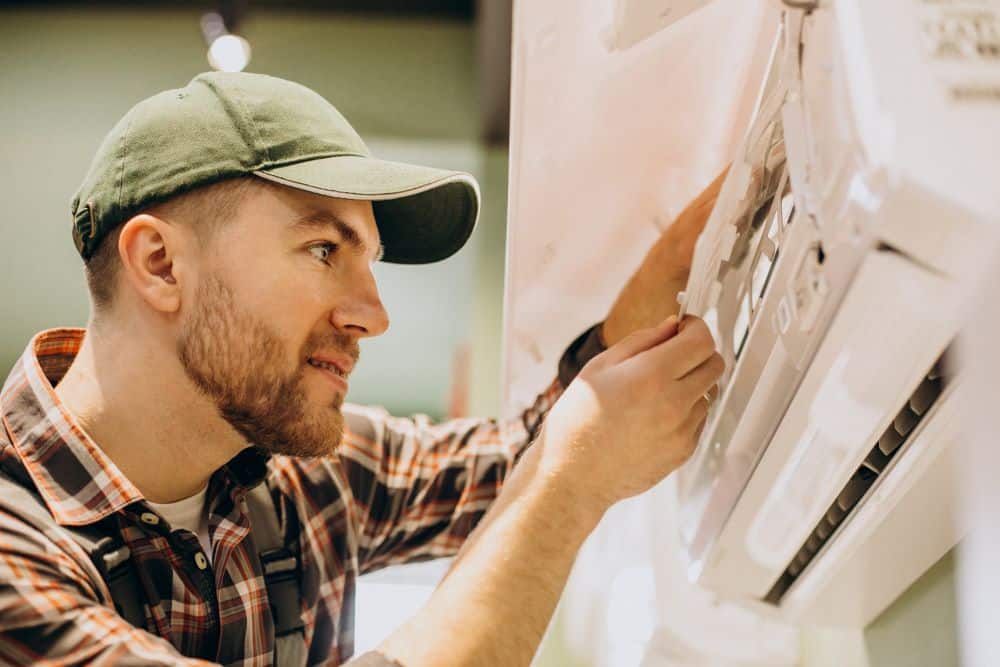
Home Air Conditioning: Quick start checks
When your home air conditioning is not working, start with items that take five to fifteen minutes. These checks do not need tools in most cases. Confirm the thermostat mode and setpoint, inspect or replace the filter, verify the circuit breaker, and clear debris near the outdoor condenser.
Doing these steps first saves time and money. If the problem persists after these checks, you will have useful details to share with a technician. Record what you tried and when. This short log speeds up diagnosis and helps avoid duplicate work by a pro.
How do I check the thermostat?
Confirm the thermostat is set to COOL and that the setpoint is at least a few degrees below room temperature. If the screen is blank or flickering, replace the batteries and try again. Also check for schedule locks or holds that prevent cooling from starting.
If the thermostat shows error codes, note them and try a simple reset per the manual. For smart thermostats, confirm the Wi‑Fi connection and that the device is not in an energy‑saving hold. For heat pumps, ensure the mode is not set to HEAT or EMERGENCY HEAT.
Is the filter the issue?
A clogged filter reduces airflow and causes many common faults, including icing and poor cooling. Remove the filter and hold it up to a light. If you cannot see light through the filter, replace it. Disposable filters are inexpensive and easy to install.
Use the correct filter size and install it with the airflow arrow pointing into the system. Change filters every 1–3 months during heavy use. Proper filter care improves efficiency and reduces wear on the blower motor.
How to inspect the outdoor unit?
Clear at least two feet of space around the sides and four feet above the outdoor condenser. Remove leaves, grass clippings, and toys. Cut back vegetation and move items that block airflow so the condenser can breathe and transfer heat properly.
Gently brush loose debris from the fins with a soft brush. Do not bend the fins. When the system runs, watch the outdoor fan to confirm it spins. If the fan does not spin, do not reach into the unit and call a technician for safe diagnosis.
Why won't my AC start?
When an AC will not start, power and control issues are most likely. A dead thermostat battery or wrong thermostat mode can stop the system. After those checks, inspect breakers, outdoor disconnects, and safety switches.
If the breaker trips or a fuse blows, reset only once and observe. Repeated trips often indicate a failed capacitor, shorted motor, or a compressor problem. Stop if tripping repeats or you see burn marks or oil; call a professional for safe repair.
Have you checked breakers and disconnects?
Locate your home's breaker panel and the outdoor disconnect near the condenser. A tripped breaker may sit in the middle between ON and OFF. Flip the breaker off fully and then back on to reset it. Also check any fuses in the disconnect box beside the condenser.
If the breaker trips again immediately or soon after reset, leave it off and call for service. Repeated tripping can damage the compressor and wiring. An electrician or HVAC technician should inspect the circuit and the outdoor unit to find the underlying cause.
Could the capacitor or contactor be bad?
Capacitors provide the extra boost motors need to start and run. A failed start capacitor often produces a humming sound while the outdoor fan will not spin. A bulging or leaking capacitor is a clear visual sign of failure.
Contactors are the high‑current switches that apply power to the compressor and fan. Burned, pitted, or welded contacts prevent proper power transfer. Testing or replacing these parts involves live‑voltage work and stored charge; let a trained tech handle it.
What safety checks should you do?
Before doing any hands‑on work, turn off the thermostat and switch off the outdoor disconnect. Wear eye protection and gloves when clearing debris around the outdoor unit. Keep clear of moving parts and do not place hands or tools into the condenser while it has power.
Use a non‑contact voltage tester if you must verify power at exposed terminals. Never open a live electrical panel if you are not trained. If you see burn marks, oil, or corrosion, stop and call a professional to avoid injury or fire risk.
Why is my AC blowing warm air?
If the system runs but vents blow warm air, the causes are usually low airflow or low refrigerant. A dirty filter or blocked return vents reduce airflow over the evaporator coil, limiting heat transfer and yielding warm supply air.
Low refrigerant, usually from a leak, is another common reason for weak cooling. Refrigerant does not get used up; low levels indicate a leak that requires certified repair. Do not attempt refrigerant work yourself because handling is regulated and risky.
Is refrigerant low or leaking?
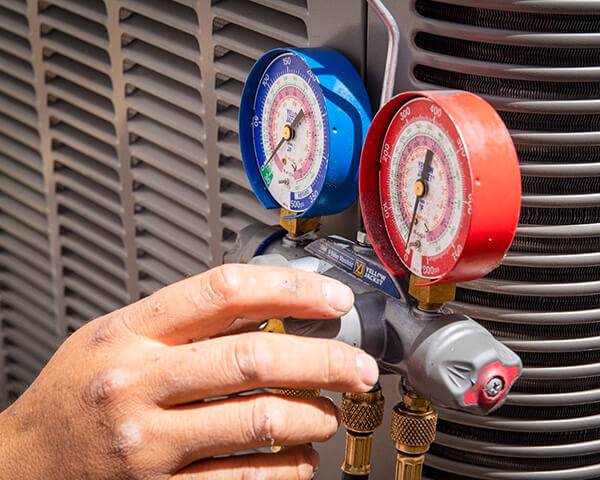
Signs of a refrigerant leak include weak cooling, ice on the indoor coil, and hissing sounds near service valves or lines. Technicians use gauges and leak detectors to find and confirm refrigerant loss before repairs.
Repairing leaks and recharging to manufacturer specifications is work for an EPA Section 608 certified technician. Adding refrigerant without fixing the leak is only a temporary fix and can lead to compressor damage and larger bills.
Are blower motor or ducts the problem?
A failing blower motor reduces airflow and causes poor cooling at the vents. Motors may hum or run slowly if failing. Check for weak flow at supply registers and listen for unusual blower sounds from the air handler.
Duct leaks and poor insulation also reduce delivered cooling. Inspect visible ducts for holes, disconnected joints, or crushed sections. Seal small gaps with mastic or UL‑approved foil tape. Large or hard‑to‑access leaks need a qualified contractor.
Could dirty coils cause weak cooling?
Both the evaporator coil inside and the condenser coil outside transfer heat. Dirt build‑up reduces their effectiveness like adding insulation to the coil surface. Dirty coils raise pressures and reduce capacity.
Homeowners can gently clear loose outdoor debris from the condenser. Indoor coil cleaning usually needs access inside the air handler and may be best left to a technician. Regular filter changes keep coils cleaner and help maintain system efficiency.
Why is my AC freezing up?
Freezing shows as ice on the indoor coil, cold indoor pipe surfaces, or poor cooling while the system runs. Restricted airflow and low refrigerant lower coil temperatures. When the coil drops below freezing, moisture accumulates and turns to ice.
A frozen coil can damage the compressor if the system runs too long. Thawing the coil is the first step, but a proper diagnosis is needed to prevent recurrence. Check filters, vents, and the outdoor fan as likely causes before calling for service.
Is airflow restricted by filters or vents?
A clogged filter is the leading cause of coil freeze. Blocked airflow over the evaporator causes temperatures to fall and ice to form. Replace dirty disposable filters immediately and keep spare filters on hand for peak use.
Also inspect return and supply vents. Closed or blocked vents and closed dampers can mimic a clogged filter. Move furniture, open vents, and restore normal airflow before restarting the system to avoid repeat icing.
How do you safely thaw a frozen coil?
Turn the cooling off at the thermostat and set the fan to ON. This circulates warmer room air over the coil and speeds thawing without running the compressor. Place towels or pans to catch water and protect surrounding flooring.
Do not forcefully chip ice off the coil. Using tools can bend fins, puncture tubing, or damage the coil core. Allow thawing over several hours, change the filter, and run the system while watching for repeat icing.
Can low refrigerant cause coil freeze and need certified help?
Low refrigerant lowers evaporator pressure and drops coil temperature, which can produce frost or heavy ice. Because refrigerant handling is regulated, diagnosis and repair must be done by an EPA Section 608 certified tech.
Certified techs can pressure test the sealed system, find leaks, repair them, and recharge the system to spec. Adding refrigerant without repairing leaks is not a long‑term fix and often leads to repeated failures and possible compressor damage.
Is the outdoor fan causing freeze?
The outdoor fan removes heat from the condenser. If it fails, the condenser cannot shed heat and the system pressures and temperatures shift, which can lead to low evaporator temperatures and frosting. Watch the outdoor unit for fan motion and unusual noises.
A failed fan motor, bent blades, or bad capacitor can stop fan operation. These problems require professional testing and safe replacement. Do not open the lid or reach inside the unit while power is present.
Why are my cooling bills high?
High cooling bills usually result from reduced system efficiency or longer run times. Dirty filters, blocked coils, and failing components force the compressor to run more and use more electricity. Addressing these issues restores efficiency and lowers costs.
Beyond equipment, the home's envelope and habits affect bills. Higher thermostat setpoints, good insulation, and sealed ducts reduce cooling load. Small, low‑cost changes can cut energy use substantially and delay expensive equipment replacement.
How do thermostat settings affect energy use?
Each degree change in the cooling setpoint changes runtime and energy use. Setting the thermostat a few degrees higher while using fans often yields big savings with little comfort loss. Fans move air and improve perceived comfort so you can raise the setpoint.
Programmable and smart thermostats reduce runtime by using setbacks when you are away. Many utilities publish recommended setpoints for peak savings. Use those settings and occupancy schedules to lower bills automatically.
Do duct leaks or poor insulation raise costs?
Leaky ducts send cooled air into attics, crawlspaces, or walls instead of rooms. Losses require more compressor runtime to reach setpoint. Poor insulation lets outside heat enter the living space and increases cooling demand.
Inspect accessible ducts for loose joints, gaps, and crushed sections. Seal leaks with mastic or UL‑approved foil tape. For major or hidden leaks and insulation upgrades, hire a professional to measure, test, and recommend cost‑effective fixes.
When should I call a licensed HVAC tech?
Call a licensed technician when power faults persist, breakers or fuses trip repeatedly, or you hear grinding, rattling, or knocking. Also call if you find oil at service ports, a strong burning smell, or visible electrical damage. These signs point to safety or major mechanical issues.
Certified technicians perform safe voltage and pressure tests, measure amperage, and use correct tools for sealed‑system work. For refrigerant leaks, compressors, or internal electrical faults, hire a licensed pro to avoid injury and to protect warranties.
What repairs legally require EPA-certified techs?
Any work that may release refrigerant falls under EPA Section 608 rules and must be done by a certified technician. This includes leak detection, pressure testing, repair of sealed components, and recharging refrigerant. The regulation protects the environment and ensures safe handling.
Homeowners can change filters, clear debris, and reset breakers. For sealed‑system tasks or refrigerant handling, always hire a certified professional. Ask to see the technician's EPA certification before work begins and get a written estimate.
How to prepare for the technician visit?
Before the tech arrives, make notes of exact symptoms, when they started, and what you tried. Record thermostat type, recent filter size changes, and any recent electrical work or storms. Clear access to the indoor air handler and outdoor condenser.
Secure pets and have warranty and payment information available. Good preparation speeds diagnosis, reduces labor time on site, and may lower the final charge. The tech will test voltages, measure amps, and may perform system performance checks.
What costs and parts should you expect?
Basic items like filters typically cost $10–30. Contactors can run $50–150. Capacitors often cost $20–80. Fan motors and blower components may be $200–800 installed, depending on the model and labor. Compressor replacements often exceed $1,200.
Ask for a written estimate that lists parts and labor. Compare quotes and check credentials and warranties. A clear scope and price limit surprises and help you pick the most cost‑effective and safe repair path.
Ready for fast help in Las Vegas?
If you are in Las Vegas or nearby and need hands‑on help, call The Cooling Company at (702) 567-0707. Their certified HVAC techs provide same‑day diagnostics, licensed refrigerant service, and clear pricing. They serve Las Vegas, Henderson, and North Las Vegas with trained technicians and fast response.
When local, have the model number and symptoms ready before you call. Technicians will ask about error codes and recent maintenance history. This information lets them bring the right tools and common parts to complete repairs quickly.
Need HVAC service help in Las Vegas?
If you're facing an HVAC emergency in Las Vegas, Henderson, or North Las Vegas, The Cooling Company offers fast, reliable service from licensed technicians. We understand that heating and cooling emergencies don't wait for business hours.
Call us now at (702) 567-0707 for emergency service. Our team is ready to help restore your comfort quickly and safely.
What to expect on a service visit?
A technician will perform a visual inspection, check and replace the filter if needed, and measure airflow and temperature splits. They will test voltages, measure amperage, and test capacitors and contactors where needed. For refrigerant concerns they will pressure test the system.
After diagnosis you will receive a written estimate that outlines the problem, recommended repairs, parts, and warranty terms. Technicians explain repair options and timelines so you can make an informed choice. Keep the report for warranty and resale purposes.
Final checklist before calling a pro
Before you call, note exact symptoms and any patterns, such as time of day or weather. Check the thermostat mode and setpoint, replace a dirty filter, and clear debris from around the outdoor unit. Try one safe breaker reset if needed and record the results.
If you see oil, burning smells, repeated breaker trips, or a locked outdoor fan, stop and call a licensed technician. For local help in Las Vegas, call The Cooling Company at (702) 567-0707. Outside the Las Vegas area, use NATE to find certified HVAC technicians near you.
Sources: Energy efficiency and technical basics are adapted from the U.S. Department of Energy guide on air conditioning: Energy gov HVAC Efficiency Basics.
Related reading: what to explore next?
- Why Is My Heat Not Working: 5 Fast Checks to Try Before Calling a Pro
- AC Troubleshooting in Las Vegas: Quick Fixes
- AC Blowing Hot Air: Causes, Fixes and Prevention
- How to Clean Air Conditioner Coils: Step-by-Step Guide
About The Cooling Company
- Phone: (702) 567-0707
References
- U.S. Department of Energy (Energy.gov) (accessed 2025-12-24)
- U.S. Environmental Protection Agency (EPA) (accessed 2025-12-24)
- ASHRAE (Standards and guidance) (accessed 2025-12-24)
- ENERGY STAR (Heating & cooling) (accessed 2025-12-24)
Related service: Need AC service in Las Vegas? Explore our AC repair and AC maintenance services for Las Vegas homeowners.
Need HVAC Service in Las Vegas?
The Cooling Company provides expert HVAC service throughout Las Vegas, Henderson, and North Las Vegas. Our licensed technicians deliver honest assessments, upfront pricing, and reliable results.
Call (702) 567-0707 or visit AC repair, maintenance, heating, or installation for details.