

Short answer: Learn HVAC maintenance tips while earning EPA 608 certification, joining an apprenticeship, and mastering one specialty to boost your pay this year.
Key Takeaways
- Start with EPA 608 and one specialty to get hired faster.
- Apprenticeships pay while you learn and often lead to higher wages.
- NATE and manufacturer training open better jobs and raises.
An HVAC career can be steady work with clear steps to grow pay and responsibility. This guide explains practical moves that most new technicians can take in the first months and years. It covers entry routes, must-have certifications, starter tools, specialties that pay more, and paths into senior roles.

HVAC Careers: How to Break Into the Field and Earn More This Year
Breaking into HVAC is about clear, repeatable steps. You first learn the basics, then add legal and vendor credentials that open more jobs. Employers value demonstrated skills, safe work habits, and good attendance. This section frames the overall approach and lists the key starting moves.
Start by choosing an entry route that fits your needs. If you need pay immediately, a paid apprenticeship is often the best option. If you can study first, a trade program gives structured lab time and a faster path to tests like EPA 608. Either way, plan to log field hours and keep proof of training. Clear records speed promotion and higher pay.
Consult local employers or training centers to pick the one specialty that local demand favors. That focused move is cheaper than collecting every cert and it gets you higher pay faster. Keep a tidy tool bag and a basic service log from day one. These small practices show professionalism and help you rise above other entry applicants.
Gather the right information first
Before you invest in tools or classes, collect local job data. Look at job ads, speak with contractors, and ask community colleges which skills they teach. This research tells you which certs and brands local companies prefer. Use the results to make a short plan. That plan should list one certificate you will get first, the tools you will buy first, and a timeline for the first 12 months.
A plan also helps with budgeting. Apprenticeships may cover training and tools, while trade school has direct costs. If you know expected pay ranges, you can choose the fastest route that aligns with your income needs. Write down the plan and update it each month as you gain hours and badges.
Build a short-term learning schedule
Break larger goals into weekly tasks. For example, study for EPA 608 two nights a week, attend one lab day per week, and log service tasks on the weekend. Treat training like a job. That steady approach helps you pass tests faster and reduces the chance of wasted spending on tools you do not yet need.
A consistent schedule also shows employers you can balance work and training. Keep notes from test prep and a folder with scanned cert cards. Those items speed hiring and raise conversations.
Why choose an HVAC career?
The trades offer steady demand. Buildings always need heating, ventilation, and air conditioning. Systems break, require tune-ups, and must meet codes. That creates routine work and emergency calls. If you like hands-on troubleshooting, HVAC can be satisfying and reliable.
Costs to enter the field are relatively low compared with many college degrees. You can start earning quickly through apprenticeships or short trade programs. Over time, targeted certs and specialized skills increase your pay and job options. The path to being a senior tech or starting your own small firm is practical and well worn.
What is daily work like?
Daily work varies by employer and season. A residential service call may be short - changing filters or diagnosing a noisy blower. Commercial work often involves larger systems and more paperwork. Expect travel between sites, hands-on tasks, and interaction with customers or building staff.
Time management matters. You will plan calls, handle emergencies, and log job notes and photos. Good notes help with billing, warranties, and performance reviews. If you prefer varied problems and practical results, daily HVAC work suits you.
How fast can pay rise?
Pay growth depends on region, certs, and the work you choose. Entry-level techs may start near minimum wage. After EPA 608 and roughly one year of steady field work, many move into the $18 to $25 per hour range in U.S. Markets. Adding NATE, manufacturer training, or a specialty raises rates further.
Higher pay also comes from overtime, emergency calls, and specialized skills like chiller or controls work. Unions and commercial roles often pay more than basic residential service. Keep records of your first-time fix rate and billable hours to support raise requests.
What are typical career paths?
Many technicians start as helpers or apprentices and then become journeymen. From there, you can specialize in service, commercial maintenance, refrigeration, controls, or sales. Each step often requires more field hours and targeted certification.
Some techs move into estimating, project management, or start their own company. Choosing a niche early can speed advancement. Controls and refrigeration need extra study but often lead to higher pay sooner.
How do you start fast and earn more?
A focused early plan shortens the time to better pay. Choose a single specialty and the essential certification to meet local hiring standards. Employers notice candidates who arrive with a basic tool kit, a clean resume, and proof of training. A good first year balances paid field hours with targeted study for the next cert.
Keep a service log from day one. This log is a record of experience you will use for promotions. Track job types, hours, parts used, and customer notes. The log supports pay reviews and shows measurable progress. Treat early months as investments. Your attendance and safety record often matter as much as test scores.
Which entry path is fastest?
Paid apprenticeships are often the fastest for steady income. Apprentices earn wages while they learn and log on-the-job hours. Terms usually last three to five years, but you begin earning immediately. Classroom time is paired with field supervision to build practical competence.
Trade school is an alternative if you prefer concentrated study. Programs may last months to two years. Graduates may enter the workforce at a higher starting level or join apprenticeships at an advanced step. Choose the path that fits your need for income and how quickly you want to work in the field.
How to get EPA 608?
EPA 608 is required in the U.S. To handle refrigerants. The Universal exam covers all equipment types and is the common choice for new techs. Study guides and practice tests are available through community colleges and trade programs. Many testing sites run regular exam sessions.
Bring photo ID and any fees to the test center. Pass the test and keep the certification card safe. Many employers ask to see it at hiring. Getting EPA 608 early opens most refrigerant-handling jobs and is an essential credential.
What tools to buy first?
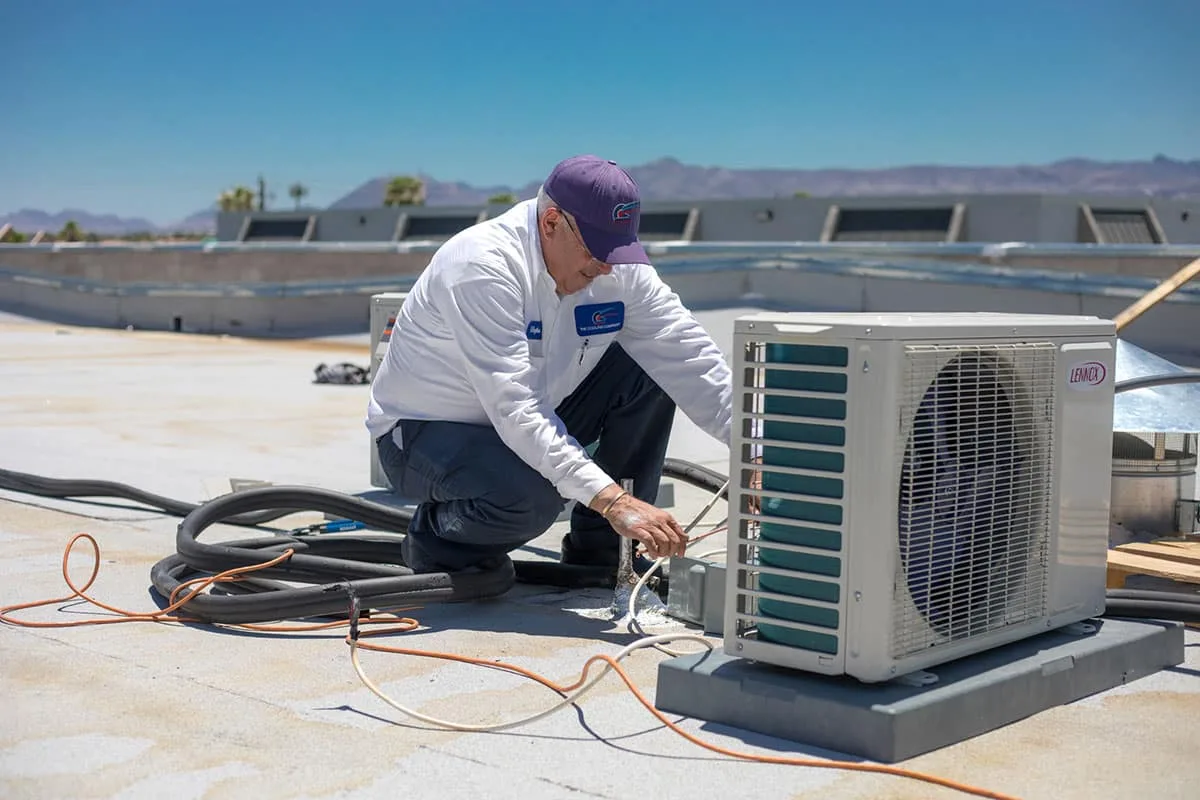
Start with a reliable multimeter, manifold gauge set, refrigerant scale, and a good leak detector. Add a cordless drill, insulated screwdrivers, and basic hand tools. Safety gear like glasses and gloves is non-negotiable. Buy quality tools slowly rather than many cheap items at once.
Label and organize tools in a tidy bag. Employers value organized techs. A good meter and a clean tool bag can shorten job times and reduce callbacks. Track purchases so you can ask for tool allowances or replacement policies from employers.
Which certifications most affect pay?
Certifications prove that you meet a recognized standard. EPA 608 is a legal requirement for refrigerant handling. NATE and manufacturer training signal competency and often lead to better pay. State licenses are necessary for contracting in some jurisdictions. Focus first on the certs local employers actually value.
Start with EPA 608, then add one or two credentials that match job listings in your area. A targeted approach is faster and cheaper than collecting every available certification. Employers pay premiums for demonstrated ability to work on specific systems.
Why is EPA 608 required?
EPA 608 is a federal standard that ensures safe refrigerant handling and reduces leaks. Any technician who opens or services refrigerant circuits must hold the right certification. Violations can lead to fines for the individual or the company, so employers enforce it strictly.
Most techs choose the Universal card since it covers small and large systems. Prep classes and practice exams help you pass the test quickly. Keep a copy of the card handy; employers ask for it during hiring and onboarding.
What is NATE and why is it valued?
NATE stands for North American Technician Excellence. It tests real-world HVAC skills and is widely recognized by contractors and customers. Passing NATE shows you know diagnostic processes and safe procedures used in field service.
Many employers prefer NATE-certified hires for premium installs and service contracts. The credential can translate into higher billing rates and steady work on higher-end projects. It is a valuable item on a resume once you have a year of field experience.
See why homeowners trust us — view our industry awards and certifications.
Do manufacturer certs raise pay?
Yes. Manufacturers provide training on their specific units. These courses teach correct install methods, diagnostics, and warranty processes. A certified tech can handle warranty repairs and higher-value clients with less outside help.
A few targeted manufacturer badges make you more useful for brand-specific contracts. Employers often pay premiums for techs that reduce vendor involvement and speed service calls. Pick badges that match local market demand.
What specialties pay the most?
Some niches require more skill, carry greater responsibility, or are simply short on qualified techs. Commercial refrigeration, chiller work, building automation, and controls often top pay lists. These areas require deeper electrical skills, system-level thinking, or network knowledge.
Local demand matters. In cities with data centers or large central plants, chiller and controls work pay more. In areas with many restaurants, commercial refrigeration is a strong niche. Study job ads to match training with local demand and faster pay growth.
Are refrigeration and controls higher paying?
Yes. Refrigeration work handles larger systems and critical loads. Supermarket systems and walk-in coolers carry high responsibility. Mistakes can cause costly spoilage, so qualified techs are paid for reliability.
Controls work combines HVAC with electrical and network skills. It is in short supply. If you enjoy electronics and system logic, controls can deliver higher rates sooner. Both refrigeration and controls require continuous learning and hands-on practice.
Which commercial niches offer top wages?
Chiller maintenance, central plant roles, and data center cooling often offer top hourly rates. These systems must stay online, and that reliability brings higher pay and on-call premiums. Work may require night or weekend coverage.
Energy management, retro-commissioning, and building automation also pay well. Techs who can reduce client energy bills create measurable value. That value usually translates into higher billing and better job security.
How do heat pumps affect demand?
Heat pumps have grown in popularity as electrification and efficiency push adoption. More installations and older systems needing service increase demand for trained techs. Training on heat pump diagnostics and loop behavior is increasingly valuable.
Techs who can handle both heating and cooling with heat pumps are more versatile. Versatility often leads to better job security and the ability to command higher pay than techs who only work on one system type.
How do you advance into senior or management roles?
Advancement combines documented experience, targeted certifications, and leadership skills. Seek jobs that add estimating, scheduling, or supervising duties. Keep a clear service log of complex jobs to show competence during reviews.
Mentor junior techs, ask for small supervisory tasks, and take courses in communication or project planning. Leadership is learned by doing. Create written goals with your supervisor to track milestones for promotion.
What leadership skills do contractors seek?
Contractors want techs who communicate clearly, manage time well, and run teams safely. Explaining technical issues to customers and helpers is a key skill. Consistent reporting and conflict management are also valuable.
Offer to lead toolbox talks or run small projects. Those actions show initiative and create a track record contractors use when considering promotions. Stay calm under pressure and keep safety first.
How to document experience for raises?
Keep a detailed service log with dates, system types, parts used, and hours. Add photos and customer feedback where possible. This history becomes concrete evidence during a pay review.
Track metrics like first-time fix rate and billable hours. Pair your log with copies of cert cards and notes on extra training. Employers respond to clear data that shows productivity improvements.
What timelines for promotion are realistic?
Many technicians reach senior tech status in three to five years with steady performance. Foreman or supervisory roles often take five to eight years. Faster moves happen when you add certs and take on leadership early.
Set written goals with your employer and ask for clear benchmarks. That gives both you and the company a timeline to plan training and salary steps. Be patient but deliberate about skill growth.
How to get hired as a first-year tech?
Prepare a focused resume listing EPA 608, coursework, and soft skills like punctuality and customer communication. Employers often prefer new hires who show safe habits and a willingness to learn. A clean resume and a short service log help your case.
Network at job fairs, community college events, and union halls. Apprenticeship programs and manufacturer training often post entry roles. Apply broadly and follow up with polite calls. Persistence helps in a competitive field.
Where to find apprenticeships and entry jobs?
Look at local trade unions, community colleges, and contractor job boards. Manufacturers sometimes list entry programs. Enroll in short courses that include placement help to increase your chances.
Attend hiring events and meet contractors in person. Those contacts lead to interviews and often apprenticeship invitations. Keep copies of your certs and a short portfolio of any hands-on projects.
How to pass interviews for HVAC roles?
Be ready to describe hands-on tasks and safety steps you know. Bring your EPA 608 card and any certificates. Give short examples of how you diagnose common faults and handle upset customers.
Dress clean and be on time. Ask about tool policies, training, and promotion paths. Those questions show you plan to stay and grow with the company.
What should a first-day toolbox include?
Start with a multimeter, manifold gauges, a refrigerant scale, insulated screwdrivers, and a cordless drill. Add safety glasses, gloves, and small hand tools. Keep the bag organized and labeled for quick access.
Add specialty tools slowly as you learn. Employers notice organized techs who do not waste time hunting for meters or parts on calls.
Ready to get started with local help?
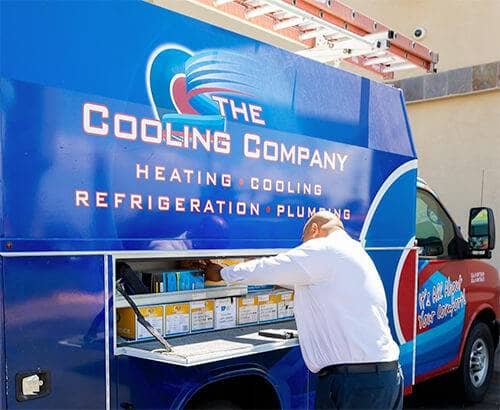
If you are in Southern Nevada, The Cooling Company can help with apprenticeship leads, entry roles, and local cert guidance. Call The Cooling Company at (702) 567-0707 if you are in Las Vegas, Henderson, or North Las Vegas. They can advise on which certs local contractors prefer and what tool allowances to expect.
If you are outside that area, ask local contractors for NATE-certified technicians and manufacturer badges as benchmarks. Those certs show reliable skill in most markets. Use local workforce centers and community colleges to find similar programs and apprenticeships near you.
What should local applicants ask on the call?
Ask how many apprenticeship slots are open and what the pay scale looks like. Check if the company covers certification fees or provides tool allowances. Clarify on-call expectations and overtime policies before you commit.
Request details about mentorship and training schedules. Ask which manufacturer badges the company favors so you can target your study and tool purchases to local demand.
Final checklist to start earning more
Use this checklist to track the first 12 months. Focus on certs, tools, field hours, and a specialty. Keep your service log updated and ask for feedback often. Review this list monthly and set small goals.
- Earn EPA 608 (Universal) within the first months.
- Join a paid apprenticeship or complete a trade program.
- Buy core tools and safety gear; keep them labeled.
- Pick one specialty: refrigeration, controls, or heat pumps.
- Log every job with notes, photos, and parts used.
- Add NATE or a manufacturer badge within the first 12–24 months.
After you complete each item, update your resume and ask your supervisor for a pay review. Keep a simple spreadsheet with dates and cert numbers to show income decision-makers. Small, steady steps create strong momentum for higher pay.
Related Guides
This page links to several in-depth resources and topic pages to help you study specific roles. Use these guides to examine technician duties, controls work, or new construction roles. They provide practical details on job expectations, tool lists, and typical project tasks.
- "“hvac technician""
- "hvac controls and automations" (TCC: Topic)
- "hvac applications per industry" (TCC: Topic)
- "trane" (TCC: Topic)
- "hvac new construction" (TCC: Topic)
- "hvac automation controls"
Preserve these guides for deeper study as you plan your next certification or job search. They help you match local demand with the right training and tools.
About The Cooling Company
The Cooling Company has been serving the Las Vegas valley with professional HVAC services for over a decade. Our team of licensed, NATE-certified technicians specializes in air conditioning repair, heating system maintenance, and complete HVAC installations. We're committed to providing honest, reliable service with upfront pricing and a 100% satisfaction guarantee on all work performed.
- Phone: (702) 567-0707
- Reviews: 4.9/5 stars (500 reviews) - See reviews
Service Areas
We proudly serve homeowners and businesses throughout the Las Vegas metropolitan area, including Las Vegas, Henderson, and North Las Vegas. Our service technicians are available for same-day appointments in most areas, with emergency service available 24/7 for urgent HVAC issues.
Need HVAC Service in Las Vegas?
The Cooling Company provides expert HVAC service throughout Las Vegas, Henderson, and North Las Vegas. Our licensed technicians deliver honest assessments, upfront pricing, and reliable results.
Call (702) 567-0707 or visit AC repair, maintenance, heating, or installation for details.