


Short answer: The best HVAC system for your building depends on its use, occupancy, ceiling height, and ventilation needs. Single-family homes do well with split systems sized by Manual J, while warehouses need spot conditioning and destratification fans. Retail, medical, and school buildings each have specific code-driven ventilation and filtration requirements. Call The Cooling Company at (702) 567-0707 for a free system evaluation tailored to your building type.
Different buildings need different HVAC designs. This guide helps you choose the right system and size it correctly. It covers homes, multifamily, retail, warehouses, schools, medical and historic buildings. You will learn codes, common mistakes, costs, and questions to ask contractors. (Source: ASHRAE Technical Resources)
Key Takeaways
- Match system type to building use, occupancy, and ventilation needs.
- Always use a load calculation (Manual J or engineered equivalent) before sizing.
- Use ERV/HRV and variable-speed equipment where ventilation and part-load performance matter.
- Ask contractors for Manual J, Manual S/D and permitting details before signing.

Which HVAC type fits my building?
Start by listing how the building is used each day. Note hours, number of occupants, and special equipment. These items drive heating, cooling, and ventilation needs and shape the system type, controls, and distribution approach.
Next, review building constraints like rooftop access, shaft locations, and space for equipment. Budget and maintenance capacity also matter. A system that saves energy but is hard to service often fails in practice.
Single-family homes: what matters most?
Comfort, humidity control, and low operating cost are top homeowner goals. A proper Manual J load avoids oversized equipment that short-cycles and harms humidity control. Duct quality, insulation, and thermostat location often drive comfort more than a single SEER number.
Choose variable-speed air handlers and compressors when the budget allows. Mini-splits work well for duct-free retrofits and add room-level control. For new builds, plan ducts inside conditioned space and use good sealing to preserve efficiency.
Multifamily units: ventilation and zoning?
Multifamily buildings need per-unit ventilation and careful pressure control. Shared shafts and corridors can move air and odors between units. Codes often require dedicated fresh air per unit and limits on inter-unit transfer to protect privacy and health.
Central systems can be efficient for large projects but need metering and tenant controls. Consider energy recovery wheels or ERVs to reduce outside air loads. For retrofits, keep each unit isolated to prevent cross-contamination.
Small retail and offices: rooftop or split?
Packaged rooftop units work well for small retail if roof access and structural capacity are available. RTUs free up interior space and simplify duct layout, but they need curb details, roof sealing. Safe crane access for replacement.
Split systems fit interior spaces without roof access. Economizers and demand-controlled ventilation help when occupancy varies. For shops with frequent door openings, plan make-up air and consider vestibules to cut conditioning losses.
Warehouses: how to size for high ceilings?
Condition the occupied work plane, not the whole building volume. High ceilings cause warm air to rise and make floor-level conditions different from loft areas. Use spot heating or cooling for workstations and avoid sizing strictly by square foot.
Consider ceiling fans to destratify and unit heaters or make-up air with heat recovery. For loading docks and frequent door use, add air curtains and focused zones to keep workers comfortable without conditioning the entire volume.
Schools and classrooms: ventilation requirements?
Classrooms need steady fresh air to support health and learning. Follow ASHRAE 62.1 and local code minimums. Provide filtration and schedule ventilation to match occupancy and activities to reduce absenteeism and improve focus.
Use CO2 sensors to inform demand control ventilation only when code allows. Treat gyms, kitchens, and shops as separate zones with tailored exhaust. Keep filters and coils clean to maintain specified airflow and performance.
Medical offices: filtration and airflow?
Medical spaces need controlled pressurization and robust filtration. Exam rooms, labs, and procedure rooms often require different pressure relationships and filtration levels. Document requirements early to avoid rework and to protect patients and staff.
MERV 13 filters are common in general areas while HEPA may be required for procedural or isolation rooms. Commissioning and clear test protocols verify pressure differentials and airflow before occupancy.
Historic buildings: constraints and solutions?
Historic buildings limit intrusive work and visible equipment. Preservation rules may block new ducts or exterior units. Design systems that minimize visual impact and avoid altering key historic fabric.
Ductless mini-splits, small packaged units, and discrete low-profile ducts often work well. Coordinate early with preservation officers and document all changes to speed approvals and avoid costly reversals. (Source: ASHRAE Technical Resources)
Mixed-use buildings: balancing mixed loads?
Mixed-use projects combine apartments, retail, and offices with different hours and loads. Separate controls, meters, and ventilation paths help allocate energy costs and maintain comfort for all tenants.
Try our energy savings calculator to see how much you could save.
Design independent zones for each use and stage shared plant operation by time of day. Clear maintenance access and tenant separation avoid conflicts during repair and servicing.
How do you size loads and ducts?
Always start with a measured load calculation. Inputs include insulation levels, window orientation, glazing type, occupancy, and equipment heat gains. Manual J is the baseline for residential work and is often a strong starting point for smaller commercial loads.
After load sizing, design ducts to deliver the required CFM to each register. Manual D gives duct sizes, layout, and static pressure targets. Proper duct design avoids noise, low register flows, and losses that make systems run harder.
What is Manual J and why use it?
Manual J breaks loads down room-by-room and hour-by-hour. It counts heat gains from people, lights, equipment, and solar heat. Use it to avoid oversizing and to pick equipment that meets both peak and part-load needs.
Check contractor assumptions like insulation R-values and window factors. If numbers are off, the resulting equipment choice can be wrong. Ask for the calculation file and simple explanations of major inputs.
When is Manual D required?
Manual D is required when new ducts are installed or when airflow changes matter. It sets duct sizes for each run to meet room CFM targets and keeps fan pressures in range to avoid noisy operation.
Skipping Manual D leads to poor register flows and uneven comfort. For attic or crawlspace ducts, sealing and insulation per Manual D and local code deliver fast performance benefits and lower bills.
How to calculate ventilation rates?
Commercial ventilation follows ASHRAE 62.1 while residences follow 62.2. Rates are set per person and per square foot based on space type. Add local exhaust for kitchens and labs where capture matters.
Use CO2 or occupancy sensors for demand-controlled ventilation when code permits. For tight buildings, ERVs and HRVs recover energy and reduce outdoor air load while meeting code airflow.
Do occupancy schedules change loads?
Yes, schedules shift both sensible and latent loads. A full auditorium or packed gym creates big short-term gains. Offices with variable occupancy need controls that react to these changes to avoid over-ventilation.
Model realistic schedules in load software and size systems for expected peak and typical conditions. Consider staging equipment to meet occasional high demand without oversizing the whole system.
How do internal gains affect loads?
People, lighting, and equipment add heat that can dominate daytime cooling. Retail lighting and server racks supply steady internal heat. Treat these internal gains explicitly in load models to avoid undersized cooling.
Create separate zones for high-gain areas like kitchens and data rooms. Dedicated cooling and exhaust for these spaces keeps the rest of the building stable and avoids oversized central equipment.
Which equipment types work best?
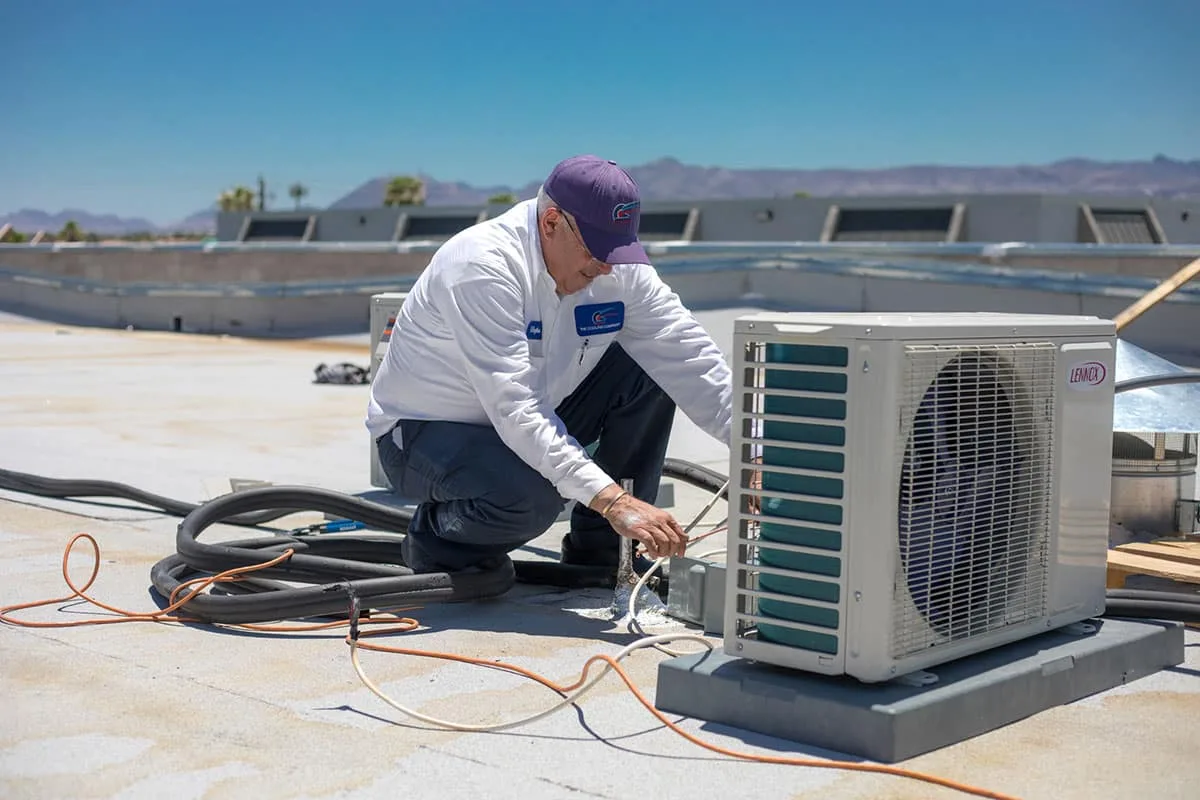
Equipment choice depends on climate, space, and occupant use. Variable-speed heat pumps are efficient where part-load operation dominates. Packaged rooftop units suit simple small commercial roofs and reduce interior footprint.
Hydronic heating is quiet and steady and suits cold climates or slab heating. For many retrofit and mixed-use projects, VRF systems provide good zoning with less ductwork but need careful design and commissioning.
Are heat pumps right for all climates?
Modern heat pumps work well in many climates, even colder ones than before. Check manufacturer cold-weather performance curves and HSPF ratings. In deep cold, pair heat pumps with backup heat or hybrid control.
Prioritize variable-speed models for better dehumidification and part-load efficiency in humid regions. Look for cold-climate models if winters drop well below freezing for extended periods.
When is VRF a good choice?
VRF fits buildings with many small zones and where ducts are hard to run. It offers per-zone comfort and high part-load efficiency. VRF also works well for retrofits when preserving interior finishes matters.
Designers must plan refrigerant piping and controls carefully. Include commissioning and trained service providers in the contract. Proper installation avoids reliability issues down the road. [Point 1] (Source: ASHRAE Technical Resources)
Packaged rooftop units: pros and cons?
RTUs keep equipment out of the building and consolidate heating and cooling. They can include economizers and simplify maintenance if roof access is safe and affordable. RTUs are common in small retail and offices.
On the downside, rooftop units require curb flashing and rooftop structural checks. Duct runs from roof to floor can add loss. For best results, add good controls and variable fans when possible.
Ductless mini-splits: where to use them?
Mini-splits avoid invasive ductwork and give room-level control. They work well in additions, historic spaces, and small suites. Multi-zone systems cover whole houses or large apartments when sized correctly.
Place indoor units to avoid short-circuiting conditioned air. Route line sets discreetly in walls or attic spaces. For whole-house use, plan multiple zones and control strategies to avoid comfort gaps.
Hydronic systems: when are boilers better?
Hydronic heat moves heat by water and gives steady, even comfort. Radiant floors and baseboard systems suit cold climates and long-run heating needs. They often pair well with solar thermal or boilers.
Hydronic systems respond slowly but hold temperature well. Combine them with good controls and consider air-to-water heat pumps in milder climates to gain efficiency and reduce fossil fuel use.
Chillers and central plants: are they needed?
Chillers suit large buildings, campuses, and places with dense cooling loads. Central plants can be more efficient due to staging and economies of scale. They also simplify maintenance at large sites.
For small buildings, chillers add cost and complexity. Evaluate distribution losses and redundancy needs. When a chiller is justified, include control strategies to stage equipment and save energy at part-load.
Controls and zoning: can they save energy?
Yes, well-designed controls cut waste and improve comfort. Zoning prevents conditioning unused areas and allows tailored schedules. Variable-speed drives on fans and pumps match output to demand.
Pick controls that are easy for occupants and maintenance staff. For commercial projects, BMS integration and analytics help find faults and optimize energy use over time.
Air filtration options for health and code?
Filtration ranges from basic fiberglass to HEPA. Use MERV-rated filters that the fan can handle without losing airflow. Higher MERV filters often help in medical or high-occupancy spaces.
Avoid adding high-pressure-drop filters without upgrading fans. For special needs, add portable HEPA cleaners or UV-C only after reviewing evidence and vendor claims.
Economizers and ventilation recovery options?
Economizers let cool outdoor air reduce mechanical cooling when conditions allow. They work well in dry, cool climates and during shoulder seasons. Proper sensors and controls are essential to avoid overuse.
ERVs and HRVs recover energy from exhaust air to reduce ventilation load. Use ERVs in humid climates to transfer moisture control as well as heat. Energy recovery pays back fastest when ventilation rates are high.
Which codes and permits matter most?
Local codes dictate minimum efficiency, duct insulation, and ventilation. Jurisdictions often adopt IECC, ASHRAE 90.1, or similar standards with local edits. Early code checks avoid redesign and delays.
Permits and inspections ensure safety for combustion appliances, refrigerant work, and electrical connections. Contractors should plan for permit timelines and inspection windows to keep the project on schedule.
How do local codes affect ventilation rates?
Some local codes add requirements beyond national standards for ventilation and filtration. They may require commissioning reports or continuous ventilation monitoring for certain building types like schools or medical offices.
Always review local amendments early. They can change required equipment, control logic, and even acceptable energy recovery options. Planning reduces change orders and cost surprises.
What inspections are required at installation?
Installers typically need rough-in and final inspections for mechanical, gas, and electrical work. Inspectors verify clearances, venting, and wiring. Refrigerant handling may need certified technicians and special paperwork.
Coordinate permit pulls and inspection bookings early. Contractors usually manage this, but owners should confirm timelines to avoid occupancy delays. [Point 2] (Source: ASHRAE Technical Resources)
Why is commissioning important?
Commissioning verifies systems meet design and performance targets. It includes airflow tests, refrigerant charge checks, and control sequence verification. Commissioning reduces startup problems and improves long-term operation.
For high-risk projects like medical or school buildings, third-party commissioning often uncovers issues contractors miss. The process also creates useful documentation for future maintenance.

How to maintain and troubleshoot systems?
A regular maintenance plan prevents emergencies and extends equipment life. For homes, semi-annual checks tied to seasons often work. For commercial systems, plan quarterly or monthly checks based on use and risk.
Record each visit and note filter changes, coil condition, refrigerant levels, and airflow. Documentation helps with warranties and with comparing contractor bids over time.
What routine maintenance tasks are essential?
Change filters, clean coils, and inspect condensate drains. Check electrical connections and motor bearings. Verify thermostat calibration and sensor placement to avoid short cycles and comfort complaints.
Inspect outdoor units for debris and vegetation. For rooftop equipment, check curb flashing and seals to prevent roof leaks. Small tasks often stop large failures.
When to change filters and how often?
Filter life depends on type, occupancy, and indoor sources. Basic fiberglass filters may need monthly changes. Pleated MERV filters often last three months in homes but may need monthly service in dusty or high-occupancy spaces.
Measure pressure drop if you can. A rising pressure drop means airflow loss and added fan stress. Keep spares on hand to avoid lapses in IAQ.
How to spot short-cycling problems?
Short-cycling shows as frequent on/off cycles and poor humidity removal. Systems running only a few minutes per cycle never reach steady-state and waste energy. Check thermostat placement first, then airflow and charge.
Look for rapid compressor starts and stops and for wide temperature swings. Fixing duct leaks, thermostat location, or oversizing usually solves the problem.
What indicates wrong refrigerant charge?
Symptoms include low cooling, long runtimes, and frozen evaporator coils. Low charge reduces capacity and raises energy use. Overcharge can cause high pressures and stress the compressor.
A certified tech should measure superheat and subcooling with proper gauges. Never add refrigerant without correct tools and documentation.
How to check airflow and duct issues?
Measure register CFM if you have instruments or hire a tech. Large differences between rooms point to leaks or balance issues. Inspect for disconnected ducts and crushed runs in attics.
For thorough checks, use a duct blaster or hire a contractor who does duct leakage testing. Sealing and insulating ducts in unconditioned spaces often improves comfort quickly.
Why do systems overheat or freeze?
Blocked airflow, dirty coils, and failing fans cause overheating and freeze-ups. Low refrigerant and restricted return air are common causes. Check filters and blower operation first when symptoms appear.
Ensure outdoor units have clear airflow and that condensate lines are open. Diagnose methodically to avoid misdiagnosis and unnecessary part replacement.
Can controls reduce energy use?
Yes. Smart thermostats, setback schedules, and variable-speed drives can cut energy while improving comfort. Occupancy-based setbacks prevent waste when areas are unused. Proper sequences reduce equipment wear.
Set controls so IAQ is not harmed. For complex buildings, integrate analytics and trending to spot problems early and keep systems tuned.
How to set up zoning and thermostats?
Place thermostats away from sunlight and supply registers. Use zoning dampers or multiple indoor units to manage distinct thermal loads. Commission the system to confirm damper and thermostat operation.
Give occupants simple override controls and a brief training note. Clear user guidance reduces service calls and tenant frustration. [Point 3] (Source: ASHRAE Technical Resources)
What are IAQ measures to prioritize?
Start with source control, ventilation, and filtration. Remove pollutants at their source when possible and provide adequate fresh air. High-quality filtration helps where outdoor air is poor.
Monitor CO2 and humidity for real-time IAQ feedback. Aim for 40 to 60 percent relative humidity to reduce biological growth and improve comfort.
How to balance ventilation with energy?
Use ERV/HRV and demand-controlled ventilation to match outdoor air to need. Recovering energy from exhaust air reduces heating and cooling loads. Schedule ventilation to avoid peak outdoor heat or humidity.
Maintain sensors and dampers. A broken damper or wrong sensor reading can waste energy and harm IAQ.
When is retrofit vs replace the answer?
Retrofit when fixes like duct sealing, new controls, or a higher-efficiency outdoor unit fix comfort and efficiency. Replace when the system is old, unreliable, and the duct layout prevents good performance.
Run a payback and consider non-energy benefits like comfort and IAQ. For historic buildings, choose less invasive retrofits that preserve character.
How to evaluate contractor bids?
Get three bids with itemized scopes and equipment details. Require Manual J, Manual S, and Manual D where applicable. Compare warranties and the actual coil and blower setups, not just SEER numbers.
Check licenses, insurance, and references. Ask for photos and a written permit plan. A clear timeline and permit handling reduce surprises.
What financing or incentives exist?
Utilities and state programs often rebate efficient heat pumps, ERVs, and variable drives. Check local utility sites for up-to-date offers and qualifying requirements. Federal tax credits may apply for certain equipment.
Learn about available federal tax credits for energy-efficient HVAC equipment.
Consider contractor financing, on-bill options, or PACE programs for big projects. Keep documentation to support rebate and tax claims.
Resources and tools
Use ACCA Manuals J, S, and D for residential standards and for clear contractor expectations. Load calculation software speeds modeling and compares options like insulation upgrades or window changes.
Manufacturer design guides give performance curves and part-load data you should use for real-world matching. For complex projects, hire an HVAC engineer or commissioning agent to verify the plan.
Ready to upgrade? Contact The Cooling Company
If you are in the Las Vegas area and ready to upgrade, call The Cooling Company at (702) 567-0707 for a free system evaluation. Our local team does Manual J estimates, duct inspections, and full installs with permits. We serve Las Vegas, Henderson, and North Las Vegas with trained technicians and local code knowledge.
If you are outside our service area, use NATE at natex.org to find certified technicians near you. NATE certification is a useful credential to look for when vetting contractors. For large or complex jobs, consider hiring a local HVAC engineer before getting bids.
FAQs
What happens if my system is oversized? Oversized systems short-cycle, fail to dehumidify, and cost more to run. A Manual J and correct equipment selection avoid these problems and extend equipment life.
Should I get an ERV or HRV? Choose an ERV in humid climates to control moisture transfer. In cold, dry climates, an HRV may be appropriate. Base the choice on climate, ventilation needs, and energy goals.
Can I DIY minor HVAC tasks? Yes for filter changes, thermostat programming, and basic cleaning. Do not attempt refrigerant work, gas line changes, or major duct work. Those require licensed pros and permits.
How long does a typical replacement take? Single-family replacements often take one to three days. Small commercial RTU swaps vary from one day to several weeks depending on permits, crane needs, and curbs. Plan longer for large projects.
References
ACCA Manuals J, S, and D for residential load, equipment selection, and duct design. ASHRAE 62.1 and 90.1 for ventilation and energy standards. The U.S. Department of Energy and ENERGY STAR for efficiency guidance. NATE at natex.org for technician certification.
Related reading: what to explore next?
- Heating System Repair: 5 Fast Fixes to Try Before Calling a Pro Today
- HVAC Sizing and Load Calculations: Avoid Costly Oversizing Now
- Commercial HVAC Guide: Systems, Costs & Maintenance for Businesses
- HVAC System Types: How to Choose the Best One for Your Home Now
About The Cooling Company
- Phone: (702) 567-0707
References
- U.S. Department of Energy (Energy.gov) (accessed 2025-12-27)
- U.S. Environmental Protection Agency (EPA) (accessed 2025-12-27)
- ASHRAE (Standards and guidance) (accessed 2025-12-27)
- ENERGY STAR (Heating & cooling) (accessed 2025-12-27)
Related service: Need commercial HVAC service? Explore our AC repair and AC maintenance services for Las Vegas homeowners.
Need HVAC Service in Las Vegas?
The Cooling Company provides expert HVAC service throughout Las Vegas, Henderson, and North Las Vegas. Our licensed technicians deliver honest assessments, upfront pricing, and reliable results.
Call (702) 567-0707 or visit AC repair, maintenance, heating, or installation for details.