

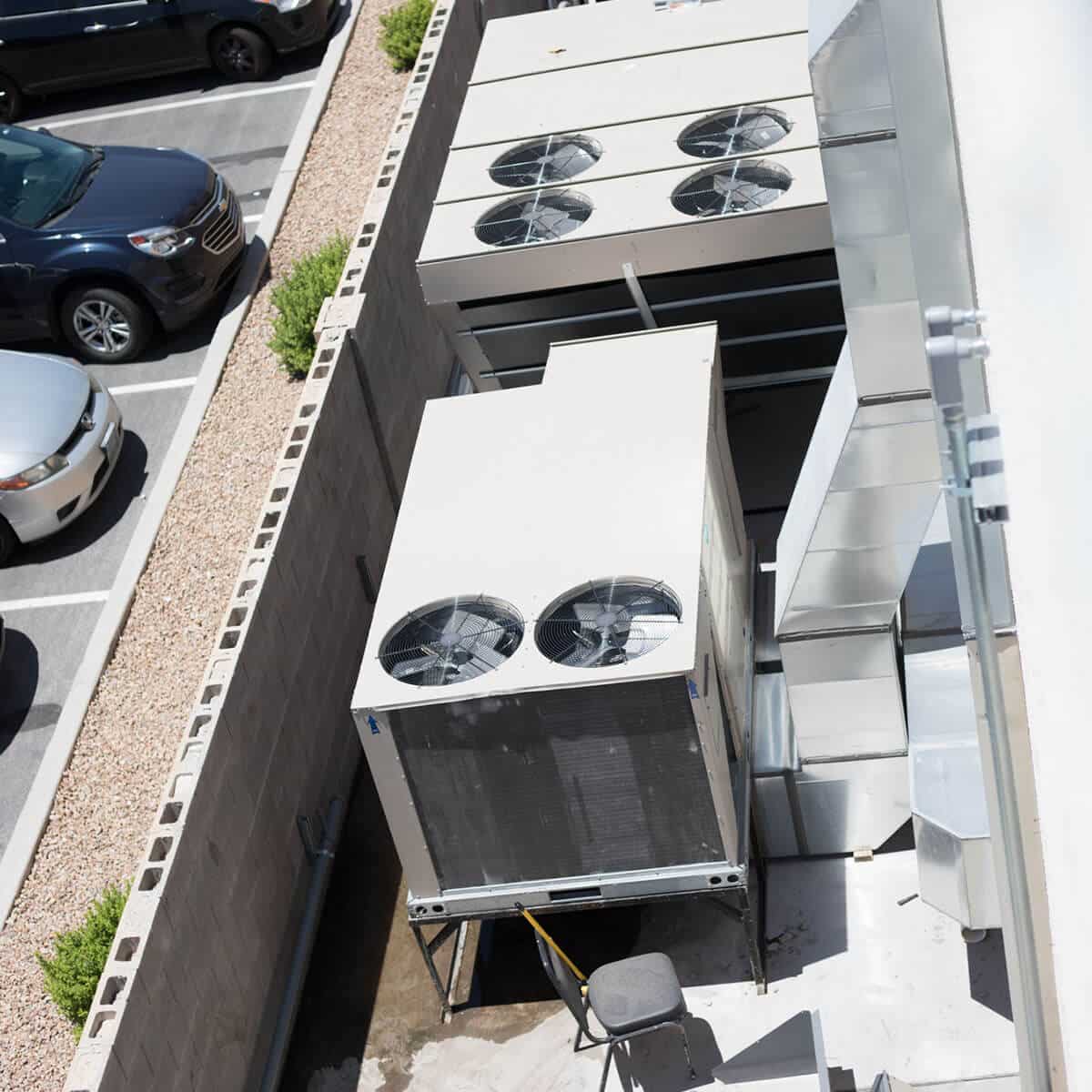
Short answer: If your HVAC is not heating, check five things first: confirm the thermostat is set to HEAT above room temperature, replace a dirty air filter, check the circuit breaker for tripped switches, verify the blower fan is running, and make sure all vents are open. If you smell gas or a CO alarm sounds, leave immediately and call 911. For Las Vegas heating repairs, call The Cooling Company at (702) 567-0707.
Start with safe, simple checks before calling a technician. Many heating problems have easy causes you can confirm in minutes. Set the thermostat to HEAT, confirm the setpoint is above room temperature, replace a dirty filter, and inspect the breaker for tripped switches. If you smell gas or your carbon monoxide alarm sounds, leave the building and call emergency services.
Key Takeaways
- Do quick, safe checks first: thermostat mode and batteries, filter condition, service panel breakers, supply and return vents, and outdoor unit condition. These checks take minutes and often fix or explain the issue.
- Stop and call a pro for gas smells, a sounding CO alarm, suspected refrigerant leaks, or a cracked heat exchanger. Those are hazardous and need licensed technicians.
- Maintain your system: change filters, clear outdoor units, keep vents unobstructed, and schedule annual inspections. Regular care improves airflow, lowers bills, and extends equipment life.
These quick checks help you avoid unsafe work and give useful facts to the technician if you do need a service call. Do not attempt internal gas, high-voltage, or refrigerant repairs on your own. The goal here is to gather information and fix low-risk issues that do not require tools, permits, or specialized training.
Good maintenance cuts down on many failures before winter arrives. Replace filters on a regular schedule, keep supply and return vents open, and keep the outdoor unit clear of debris and snow. Annual professional tune-ups catch worn parts and combustion issues before they force an emergency visit.
Quick fixes to try first?
Start with a short, safe checklist you can do in minutes. These steps do not require tools beyond spare thermostat batteries and a replacement air filter. The goal is to confirm whether the problem is simple and fixable, like a wrong thermostat setting or a clogged filter.
If these checks do not restore heat, stop and call a licensed HVAC pro. Complex faults like gas leaks, refrigerant issues, cracked exchangers, or control-board failures need certified technicians. Write down any lights, error codes, noises, or patterns you notice. This information speeds diagnosis when the pro arrives.
Is the thermostat set to heat?
Confirm the thermostat shows HEAT and the setpoint is higher than the room temperature. Many no-heat calls come from thermostats set to COOL, FAN, or an off schedule. Also look for a hold or program that keeps the system from running.
Check the fan setting; it should normally be on AUTO rather than ON for most heating cycles. If the display is blank or shows odd icons, check batteries and the furnace breaker. Record any error messages you see before contacting a technician.
Have you checked the air filter?
A dirty filter chokes airflow and can reduce heat or stop the system. Remove the filter and hold it up to a light source: if little or no light passes through, replace it. Use the filter size stamped in the filter slot and install it in the correct direction for airflow.
Filters should be changed every 1 to 3 months in active heating seasons. A clean filter reduces energy use and prevents short cycling. Never run the system with the filter removed; dust and debris can damage the blower and heat exchanger.
Is the circuit breaker tripped?
Locate the breaker labeled furnace, air handler, or heat pump. A tripped breaker may sit between ON and OFF. Switch it fully OFF then ON to reset it. If it trips again right away, stop resetting and call an electrician or HVAC technician.
Repeated trips often indicate an electrical fault such as a failing motor, capacitor, or short. Leaving a breaker in a tripped state prevents operation, so record the trip behavior and report it to the technician.
Is the blower fan running?
Listen at the furnace or air handler when the thermostat calls for heat. If the blower runs but no heat comes, the problem is likely in the ignition or burners. If the blower does not run, check the fan switch and the breaker first.
A humming sound, slow spin, or no run can mean a bad motor or capacitor. These components run on high voltage and should be handled by a trained technician. Note any unusual sounds or vibrations for the service visit.
Are vents open and unobstructed?
Walk through the house and check each supply register. Closed or blocked vents reduce airflow to rooms and can create high duct pressure. High pressure can lead to short cycling or uneven comfort.
Also check return vents and filters near returns. Blocked returns reduce system capacity. Keep furniture, rugs, and curtains away from vents and confirm any dampers in ducts are open.
Thermostat and controls checks?
Thermostats are often the simplest fix or the trickiest source of trouble. Confirm the power state, program holds, and wiring before blaming the furnace or heat pump. Smart thermostats add features but also more points of failure like firmware or configuration errors.
If the thermostat itself seems suspicious, swap it temporarily with a simple programmable unit if you have one and you are comfortable doing so. That test helps separate thermostat issues from system faults. Always record any error codes or messages for the technician.
Is the thermostat on and powered?
A blank screen usually means dead batteries or loss of 24VAC power. Check local breakers and the furnace switch. If the thermostat is powered but does not respond, it may be locked or stuck in schedule mode.
Raise the setpoint and listen for the system to respond. If the system does not start, wiring or the furnace control board may be to blame. Note any icons or codes displayed when you call for service.
Are batteries in a programmable thermostat dead?
Many thermostats use AA or AAA batteries. Low batteries cause erratic behavior, lost schedules, and blank screens. Replace batteries yearly or when the low battery icon appears.
Smart thermostats often have wired power but still use backup batteries. Use fresh alkaline cells for reliable operation. After replacement, confirm the thermostat issues a heat call.
Is the thermostat calibrated correctly?
A miscalibrated thermostat reads the room temperature wrong. That causes short cycles or long runs that do not match comfort. Check calibration by placing a reliable thermometer near the thermostat for 15 to 30 minutes.
If the reading differs by more than two degrees, recalibrate or replace the thermostat. Many digital units have menus for calibration; older mechanical thermostats typically need replacement.
Can a smart thermostat cause conflicts?
Smart models add features such as multi-stage control and adaptive schedules, but setup mistakes can stop heat calls. Incorrect equipment type, wiring errors, or firmware bugs can cause problems.
Test by switching to a simple thermostat or engaging the system switch on the smart unit. If heat returns, reconfigure the smart thermostat or reset it to base settings and document changes for your technician.
Should you try a thermostat reset?
Resetting can clear software glitches, but it erases schedules and custom settings. Record your settings before a reset so you can restore them. Follow the maker’s instructions carefully to avoid unnecessary loss of data.
After a reset, set the equipment type and schedule again. If the problem returns after reset, the issue may be wiring or the furnace control board rather than the thermostat.
Power, gas and safety checks?
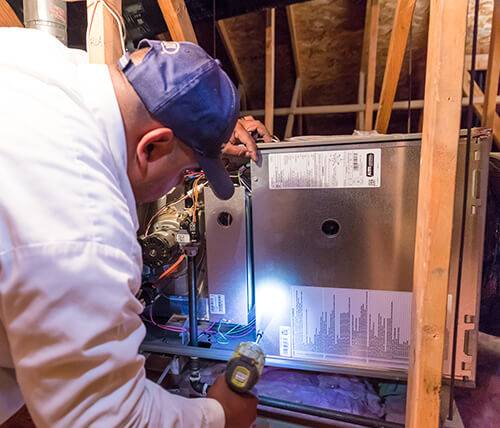
Power and gas are central to safe heating. Never work on gas lines, internal burners, or electrical components unless you are licensed and trained. If you smell gas or a carbon monoxide (CO) alarm sounds, evacuate and call emergency services immediately.
Electrical faults are also hazardous. If you see sparking, burning smells, or melted insulation, turn the system off and leave further testing to a professional. A licensed technician will test controls, wiring, and safety switches with proper tools and training.
Is the gas supply valve open?
Locate the gas shutoff near the furnace or the gas meter. When the lever is parallel with the pipe, it is usually ON; across the pipe is typically OFF. Only operate valves that you can reach easily and that are intended for homeowner use.
If the valve is open but the furnace does not light, call the gas company. Do not attempt internal gas valve repairs. A trained technician should handle internal gas components and combustion adjustments.
Could a carbon monoxide risk be present?
Carbon monoxide is odorless and can be deadly. If a CO alarm sounds or occupants feel dizzy, nauseous, or sleepy, leave immediately and call emergency services. Never re-enter until a professional confirms it is safe.
Cracked heat exchangers, blocked vents, and poor combustion can release CO. Install CO alarms on every level and near sleeping areas. Have combustion appliances inspected annually for safety.
Should you shut off gas in an emergency?
If you smell a strong gas odor, leave the home and call the gas company or 911 from a safe location. Avoid using phones, light switches, or anything that could create a spark while inside. Turning off the gas at the meter is an option only if you are certain you can do it safely.
For non-emergency or minor concerns, contact the gas company for guidance. They can advise whether to shut off gas and will inspect lines and appliances for safe operation.
Is the furnace heat exchanger cracked?
A cracked heat exchanger can let combustion gases mix with the house air. Signs include unexplained CO alarms, soot around the burner area, or corrosion. If you suspect a crack, switch the furnace off and call for immediate service.
Technicians use combustion testing tools and visual inspection to assess the exchanger. Repair is often expensive and replacement of the furnace is commonly recommended for safety.
Our pricing guide breaks down the costs you can expect.
Has the system tripped its safety switch?
Modern systems include limit, pressure, and condensate float switches that stop the unit when unsafe conditions occur. A tripped switch often follows blocked airflow, a clogged condensate line, or a vent blockage. Look for visible signs first.
Some switches can be reset after the underlying problem is fixed, but repeat trips require professional diagnosis. Track when and how often trips occur and report that pattern during your service call.
Are warning lights or error codes showing?
Many furnaces and air handlers flash a diagnostic code via an LED or show codes on a display. These codes point to issues like ignition failure, pressure switch faults, or blower problems. Count the blinks and note the pattern before calling.
Documenting the exact code and the conditions when it appears helps the technician narrow the cause. If you cannot find the code meaning, include pictures and notes with your call.
Is the condensate pan overflowing?
High-efficiency systems produce condensate that drains through a pan and line. A clog in the drain can fill the pan and trip a float switch, which will stop heating. Look for water stains, leaking, or a wet base around the unit.
You may qualify for federal tax credits that reduce your upfront cost.
If you can clear the drain safely, use a wet/dry vacuum on the drain line or flush it with water. If the clog returns, call a technician. Persistent backups can cause water damage and repeated lockouts.
Could an electrical fault be the cause?
Burning smells, melted wiring insulation, or repeated breaker trips suggest electrical trouble. These faults can stop the system or cause intermittent operation and must be treated seriously. Avoid further use until a pro inspects the wiring.
A licensed electrician or HVAC technician should perform high-voltage testing, check contactors, relays, and the control board. Keep the system turned off if you detect sparking or severe electrical issues.
Heat pump, refrigerant and outdoor unit?
Heat pumps move heat using refrigerant and outdoor components instead of direct combustion. In cold weather, icing, defrost control failures, or low refrigerant charge reduce heating capacity. Repairs often require technicians certified for refrigerant handling.
Keep the outdoor unit clear of snow, ice, leaves, and other debris. Proper airflow across the coil is essential for efficient heating. Routine seasonal checks catch many common failures and help the system run reliably in winter.
Is the outdoor unit iced over?
Light frost on a heat pump coil is normal in cold, damp conditions. However, heavy ice or solid blocks of ice are not normal and can stop airflow. Heat pumps enter defrost cycles to melt frost, but persistent ice points to control or drainage issues.
If the unit stays iced or makes loud noises during defrost attempts, clear light snow away and call a technician. Do not use sharp tools to chip ice from the coil - this can damage fins and refrigerant lines.
Could low refrigerant reduce heat?
Low refrigerant charge reduces heat transfer and causes long run times with little warming effect. Leaks are the common cause and must be repaired before a recharge. Refrigerant work requires certified technicians with EPA credentials.
Look for oil stains near service ports, hissing sounds, or reduced suction temperatures at the vapor line. These signs suggest a leak and need professional diagnosis and repair.
Is the reversing valve functioning on the heat pump?
The reversing valve changes the refrigerant flow to switch between heating and cooling modes. If it sticks or fails, the system may run but not produce heat, or it may operate in the wrong mode.
A technician can test valve operation and pressures. Repair often needs refrigerant recovery and specialized tools. Do not attempt refrigerant or reversing valve work yourself.
Is the outdoor unit getting proper power?
Check the disconnect box by the outdoor unit and any visible fuses. A tripped disconnect or blown fuse can stop the compressor or fan. If you see a tripped switch, reset it only once and then call a pro if it trips again.
If the unit appears powered but does not run, call a technician. Compressor and fan motor repairs require proper testing and training. Record any lights on the contactor or odd noises for the technician.

Common component issues and costs?
Knowing common failure modes and rough price ranges helps you plan and compare quotes. Costs vary by labor, parts, system age, and location. Use cost ranges to decide whether a repair or replacement is appropriate.
Keep warranty status and equipment age in mind. Major repairs on older units often lead to replacement decisions. A technician can help evaluate remaining life and compare repair costs to replacement benefits.
What does furnace flame quality reveal?
A steady blue flame indicates good combustion. Yellow, lifting, or sooty flames suggest dirty burners, wrong gas pressure, or venting problems. Flame rollout is a critical safety sign.
Technicians clean and tune burners to restore proper flame. If combustion remains poor, they will test for carbon monoxide and inspect venting and the heat exchanger.
How much does a new air filter cost?
Basic disposable filters often cost about five to fifteen dollars each. Pleated or higher-efficiency filters range from ten to forty dollars depending on size. Washable filters cost more up front but save money over time.
Use the filter type recommended by the equipment maker. Very high MERV filters in the wrong system can restrict airflow and reduce comfort or damage equipment.
What are typical furnace repair price ranges?
Common repairs like an igniter or flame sensor replacement typically run from about one hundred to four hundred dollars. Control board replacements can range from two hundred to eight hundred dollars. Blower motor work is often three hundred to one thousand dollars.
Final prices depend on part brand, labor time, and emergency or after-hours fees. Always ask for a written estimate before approving work.
How costly is a cracked heat exchanger?
Repairing a cracked heat exchanger is rarely practical. Costs to replace the exchanger or the furnace can range widely, commonly in the one to four thousand dollar range. Many older units are better replaced than repaired.
Because a cracked exchanger is a safety risk, treat suspected cracks urgently. Stop using the furnace and call a licensed professional.
What is the price to recharge refrigerant?
A simple refrigerant recharge may cost about one hundred fifty to four hundred dollars when no leak exists. If a leak needs repair, costs can rise substantially depending on the location and complexity.
Technicians must find and repair leaks before recharging. Repeated top-offs waste money and may violate regulations.
How long do technicians usually take?
Simple repairs like a filter change or thermostat swap often finish in 30 to 60 minutes. Diagnostic visits typically run one to two hours. Major repairs or parts orders may require multiple trips or extended time.
Expect longer waits during peak cold or heat waves. Ask the contractor for an arrival window and whether same-day service is available.
Can you estimate emergency service fees?
After-hours, weekend, or holiday calls commonly include a premium. Expect an additional fee of roughly seventy-five to two hundred dollars for emergency dispatch, plus labor and parts.
Some contractors offer maintenance plans that reduce emergency fees. Compare plan cost with the value of reduced emergency charges and priority scheduling.
What warranties cover HVAC repairs?
Manufacturer part warranties range from one to ten years depending on the part. Labor warranties vary and commonly cover 30 to 90 days after repair. Some contractors offer extended labor warranties with service agreements.
Request warranty details in writing and ask whether warranties are pro-rated or transferable. Clear warranty terms reduce surprises if follow-up work is needed.
When is replacement better than repair?
Consider replacement when repair costs approach half the price of a new system. Also replace if the unit is older than 15 to 20 years or shows repeated failures. New systems bring efficiency gains that can reduce bills.
Ask for a load calculation and a written proposal. Proper sizing prevents short cycling and improves comfort after installation.
How does a boiler differ from a furnace?
Furnaces heat air and send it through ducts and registers. Boilers heat water and distribute it via radiators, baseboards, or radiant floors. Diagnostics and parts differ accordingly.
Boiler problems show as leaks, low system pressure, or cold spots on radiators. Use a licensed boiler technician for repairs to ensure safe and correct work.
What maintenance prevents future failures?
Annual tune-ups catch dirty burners, minor leaks, worn belts, and airflow issues. Our HVAC maintenance checklist details every step a technician should cover. Replace filters regularly and clear debris from outdoor heat pump or condenser units.
A seasonal maintenance plan lowers emergency calls and extends equipment life. Technicians spot small faults before they grow into costly failures.
How does heat pump efficiency affect bills?
Heat pump efficiency drops as outdoor temperature falls. Older systems or those with low charge run longer and use more electricity. Proper charge and maintenance keep performance near rated values.
If a heat pump struggles in cold months, evaluate supplemental heat or a cold-climate model. Consider long-term savings and local incentives when weighing replacement.
What questions should you ask a technician?
Before hiring, ask for license numbers, proof of insurance, and NATE certification if available. Request references and read recent reviews. During the visit, ask for diagnostics, a clear written estimate, and warranty details.
Also ask whether the repair meets manufacturer recommendations and local codes. Clear answers help you compare bids and choose a reliable contractor.
Ready to call a pro?
If your DIY checks did not restore heat, or if you found safety risks like gas odors or CO alarm activation, call a licensed contractor. Have your notes, photos, and any error codes ready to speed diagnosis. Clear information lets the technician bring correct parts and tools.
For Las Vegas area homeowners, call The Cooling Company at (702) 567-0707 for fast, licensed help. The Cooling Company serves Las Vegas, Henderson, and North Las Vegas and offers diagnostics, emergency repairs, and maintenance plans suited to local needs.
How to choose and book a licensed contractor?
Check for license, insurance, and technician certifications such as NATE. Ask whether the contractor follows ACCA or manufacturer procedures. Request written estimates, clear timelines, and warranty terms before work begins.
If you are outside our area, find NATE-certified technicians using the NATE resources at NATE resources. For Las Vegas residents, call The Cooling Company at (702) 567-0707 to book a diagnostic visit or same-day service when available.
What to expect during the first service visit?
Technicians begin with safety checks and a visual inspection of thermostat, breakers, filter, blower, burners, or heat pump components. They will run diagnostics and share a written estimate for repairs or replacement if needed.
Many common repairs are done the same day. If parts must be ordered, the technician will explain timing and warranty coverage. Keep your notes and photos handy to speed the visit and reduce guesswork.
Call The Cooling Company for Las Vegas-area service
Las Vegas, Henderson, and North Las Vegas homeowners needing fast, certified heating help should call The Cooling Company at (702) 567-0707 today. Our NATE-certified technicians perform safe combustion tests, electrical checks, refrigerant diagnosis, and full system tune-ups.
Outside our service area, use NATE resources at NATE resources to find certified technicians near you. If you are local, request The Cooling Company for reliable repairs, replacements, and annual maintenance across Las Vegas, Henderson, and North Las Vegas. Call (702) 567-0707 to schedule service or request an on-site estimate.
Source: Energy gov Heat Pump Tips
Related reading: what to explore next?
- Smart Thermostat Energy Savings: How to Cut Your Bills Fast Now
- Furnace Not Working? Common Causes and Fixes
- HVAC Repair Guide: Fast Fixes and Lasting Results
About The Cooling Company
- Phone: (702) 567-0707
References
- U.S. Department of Energy (Energy.gov) (accessed 2025-12-27)
- U.S. Environmental Protection Agency (EPA) (accessed 2025-12-27)
- ASHRAE (Standards and guidance) (accessed 2025-12-27)
- ENERGY STAR (Heating & cooling) (accessed 2025-12-27)
Need HVAC Service in Las Vegas?
The Cooling Company provides expert HVAC service throughout Las Vegas, Henderson, and North Las Vegas. Our licensed technicians deliver honest assessments, upfront pricing, and reliable results.
Call (702) 567-0707 or visit AC repair, maintenance, heating, or installation for details.