

Power Supply
Power supply refers to the electrical source that powers HVAC, plumbing, and water heating equipment. This can include household circuits, breakers, outlets, or backup sources like batteries and generators. The supply must match the equipment’s voltage and current requirements for safe, efficient operation.
💡 Key Takeaways
- ✓Power supply refers to the electrical source that powers HVAC, plumbing, and water heating equipment. This can include household circuits, breakers, outlets, or backup sources like batteries and generators. The supply must match the equipment’s voltage and current requirements for safe, efficient operation.
- ✓Power supply should be inspected regularly for safety and performance.
- ✓Backup options like generators keep systems running during outages.
- ✓Efficient equipment reduces power demand and operating costs.
Power Supply
/ˈpaʊər səˈplaɪ/
Definition
Power supply refers to the electrical source that powers HVAC, plumbing, and water heating equipment. This can include household circuits, breakers, outlets, or backup sources like batteries and generators. The supply must match the equipment’s voltage and current requirements for safe, efficient operation.
Why is power supply important for HVAC?
Proper power delivery keeps motors, controls, and safety systems operating reliably and safely.
Source: The Cooling Company

Quick Facts
How Power Supply Works
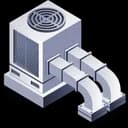
Power feeds controls, motors, and safety systems.
Real-World Application
HVAC systems rely on a stable power supply to run compressors, fans, and pumps, while water heaters use power for heating elements and controls.
Pro Tip
Verify voltage and amperage requirements before upgrades, and consider backup power if outages are common.
“Verify voltage and amperage requirements before upgrades, and consider backup power if outages are common.”
Important Things to Keep in Mind
- Power supply should be inspected regularly for safety and performance.
- Backup options like generators keep systems running during outages.
- Efficient equipment reduces power demand and operating costs.
Did You Know?
Many modern HVAC systems modulate power use based on demand to improve efficiency.
FAQ
Can the wrong power supply damage HVAC equipment?
Yes. Incorrect voltage or amperage can cause failures or safety issues.
Should I add a backup generator for my HVAC?
It depends on your needs. Backup power can protect comfort during outages.
How do I know my system’s power requirements?
Check the equipment data plate or manual, or consult a licensed technician.
Related Services
Need help with power supply? Our licensed technicians in Las Vegas are ready to assist.
Share This Page
Why Homeowners Trust Us


Optimize Your Power Supply for Maximum Efficiency
Get a Free Estimate
Fill out the form below. Our goal is to reach you within minutes.