
A check valve is a one‑way valve that allows water or other fluids to flow in only one direction. In water heating systems, it prevents backflow that can contaminate supply lines or stress equipment. Check valves come in several styles—ball, swing, and lift—chosen based on flow rate, pressure, and installation requirements.
/ʧɛk vælv/
A check valve is a one‑way valve that allows water or other fluids to flow in only one direction. In water heating systems, it prevents backflow that can contaminate supply lines or stress equipment. Check valves come in several styles—ball, swing, and lift—chosen based on flow rate, pressure, and installation requirements.
What does a check valve do?
It allows flow in one direction only, preventing backflow that can damage equipment or contaminate water.
Source: The Cooling Company

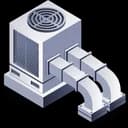
Check valves stop backflow and protect equipment.
Tankless water heaters often use a check valve on the inlet line to prevent heated water from flowing backward through the system.
Test check valves during routine service to confirm they close fully and prevent backflow.
“Test check valves during routine service to confirm they close fully and prevent backflow.”
Check valves are used across municipal water, wastewater, and industrial systems to prevent reverse flow.
Can a check valve cause low water pressure?
If it is undersized or clogged, it can restrict flow and reduce pressure.
Do check valves need regular replacement?
Not typically, but they should be inspected and replaced if they stick or leak.
Where are check valves installed?
Common locations include water heater inlets, recirculation lines, and backflow prevention points.
Need help with check valve? Our licensed technicians in Las Vegas are ready to assist.
Fill out the form below. We typically respond within minutes.


