

A closed-loop system circulates the same water or heat‑transfer fluid through a sealed network of pipes, coils, or radiators. Because the fluid stays contained, it reduces contamination, limits heat loss, and improves long‑term efficiency. Closed loops are common in radiant floor heating, solar thermal, and geothermal systems.
/kloʊzd luːp ˈsɪstəm/
A closed-loop system circulates the same water or heat‑transfer fluid through a sealed network of pipes, coils, or radiators. Because the fluid stays contained, it reduces contamination, limits heat loss, and improves long‑term efficiency. Closed loops are common in radiant floor heating, solar thermal, and geothermal systems.
What is a closed‑loop system in heating?
It is a sealed circuit that recirculates the same fluid for heat transfer, improving efficiency and reducing contamination.
Source: The Cooling Company

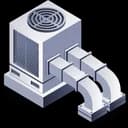
Closed loops recirculate fluid for efficient, stable heating.
A home uses a closed‑loop radiant floor system to circulate warm water under the floors, delivering even heat with minimal maintenance.
Monitor loop pressure and fluid quality periodically to catch leaks or corrosion early.
“Monitor loop pressure and fluid quality periodically to catch leaks or corrosion early.”
Closed‑loop designs are also used in spacecraft thermal control systems for reliable heat management.
Do closed‑loop systems need regular flushing?
Not often, but periodic fluid checks and occasional flushing help maintain performance and cleanliness.
What happens if a closed loop leaks?
Pressure drops and performance suffers. A technician should locate and repair leaks quickly.
Are closed‑loop systems more efficient than open systems?
Generally yes, because they reduce contamination, minimize heat loss, and keep fluid conditions stable.
Need help with closed loop system? Our licensed technicians in Las Vegas are ready to assist.
Fill out the form below. We typically respond within minutes.


