

An economizer is an HVAC component that saves energy by using cool outdoor air for free cooling when temperature and humidity conditions are favorable. Sensors compare indoor and outdoor conditions to decide when to open dampers and reduce mechanical refrigeration. This lowers energy costs and can improve indoor air quality through increased ventilation.
/ˈiːkəˌnaɪzər/ or /ˈɛkəˌnaɪzər/
An economizer is an HVAC component that saves energy by using cool outdoor air for free cooling when temperature and humidity conditions are favorable. Sensors compare indoor and outdoor conditions to decide when to open dampers and reduce mechanical refrigeration. This lowers energy costs and can improve indoor air quality through increased ventilation.
What does an HVAC economizer do?
It uses cool outdoor air to reduce mechanical cooling, saving energy while improving ventilation.
Source: The Cooling Company

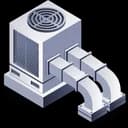
Economizers reduce cooling load by using outdoor air.
In commercial buildings, economizers reduce cooling runtime during cool nights and mild seasons, cutting energy use and improving ventilation without sacrificing comfort.
Have economizer sensors, dampers, and controls inspected regularly. Faulty components can keep it from activating and eliminate energy savings.
“Have economizer sensors, dampers, and controls inspected regularly. Faulty components can keep it from activating and eliminate energy savings.”
The economizer concept dates back to early boiler efficiency designs and is now a core strategy in modern energy codes.
Do economizers work in hot climates?
They can during cooler evenings or shoulder seasons, but benefits are greatest in mild climates.
What can cause an economizer to fail?
Common issues include stuck dampers, failed sensors, or misconfigured controls.
Do economizers improve indoor air quality?
Yes. They increase fresh outdoor air when conditions are favorable.
Need help with economizer? Our licensed technicians in Las Vegas are ready to assist.
Fill out the form below. We typically respond within minutes.


