

An Energy Recovery Ventilator (ERV) exchanges heat and moisture between outgoing stale air and incoming fresh air. This improves indoor air quality while reducing heating and cooling loads, helping HVAC systems run more efficiently. ERVs are especially valuable in climates with high humidity or extreme temperatures, where controlling moisture and energy use is critical.
/ˈɛnərdʒi rɪˈkʌvəri ˌvɛntɪˈleɪtər/, /ˈiːˌɑːrˈviː/
An Energy Recovery Ventilator (ERV) exchanges heat and moisture between outgoing stale air and incoming fresh air. This improves indoor air quality while reducing heating and cooling loads, helping HVAC systems run more efficiently. ERVs are especially valuable in climates with high humidity or extreme temperatures, where controlling moisture and energy use is critical.
What does an ERV do in HVAC?
It recovers heat and moisture from exhaust air to condition incoming fresh air, reducing HVAC energy use.
Source: The Cooling Company

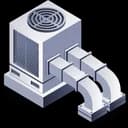
ERVs recover heat and humidity for efficient ventilation.
A high-efficiency home installs an ERV to bring in fresh air without losing indoor heat or moisture, keeping comfort stable year-round.
Size ERVs correctly and replace filters regularly to protect airflow, recovery performance, and indoor air quality.
“Size ERVs correctly and replace filters regularly to protect airflow, recovery performance, and indoor air quality.”
ERVs support green building goals by lowering ventilation energy use while improving IAQ.
When should I choose an ERV over an HRV?
ERVs are better in humid climates where moisture recovery helps maintain comfort.
Do ERVs work in cold climates?
Yes. They recover heat effectively and can help prevent overly dry indoor air.
How often should ERV filters be replaced?
Typically every 3–6 months depending on usage and local air quality.
Need help with erv (energy recovery ventilator)? Our licensed technicians in Las Vegas are ready to assist.
Fill out the form below. We typically respond within minutes.


