

A forced air system is an HVAC setup that heats or cools air and distributes it through ductwork and vents. A furnace or heat pump provides heat, an air conditioner or heat pump provides cooling, and a blower fan moves conditioned air throughout the building. Forced air systems are popular because they deliver fast temperature changes and can include filtration, humidification, and zoning for better comfort and air quality.
/fɔːrst ˈɛər ˈsɪstəm/
A forced air system is an HVAC setup that heats or cools air and distributes it through ductwork and vents. A furnace or heat pump provides heat, an air conditioner or heat pump provides cooling, and a blower fan moves conditioned air throughout the building. Forced air systems are popular because they deliver fast temperature changes and can include filtration, humidification, and zoning for better comfort and air quality.
What makes a system 'forced air'?
A blower fan forces heated or cooled air through ducts and vents to condition the entire home.
Source: The Cooling Company

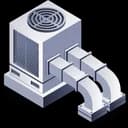
Blowers push heated or cooled air through ducts to each room.
A home uses a forced air system to deliver warm air in winter and cool air in summer, with air filters capturing dust and allergens for healthier indoor air.
Change filters on schedule and seal duct leaks to boost efficiency, comfort, and equipment life.
“Change filters on schedule and seal duct leaks to boost efficiency, comfort, and equipment life.”
Many modern forced air systems integrate air purifiers or humidifiers for whole-home air quality upgrades.
Is forced air the same as central air?
Forced air refers to ducted air distribution, while central air usually refers to cooling equipment that can be part of a forced air system.
Why do some rooms feel hotter or colder?
Duct leaks, poor balancing, or improper sizing can cause uneven temperatures.
How often should filters be changed?
Typically every 1–3 months, depending on filter type and indoor conditions.
Need help with forced air system? Our licensed technicians in Las Vegas are ready to assist.
Fill out the form below. We typically respond within minutes.


