

A furnace is a heating appliance that generates warm air and distributes it throughout a building via ductwork. Residential furnaces typically burn natural gas, though electric and propane models are also common. Gas furnaces ignite fuel in a combustion chamber, pass the resulting hot gases through a heat exchanger, and use a blower motor to push heated air into the duct system. Modern high-efficiency furnaces achieve Annual Fuel Utilization Efficiency (AFUE) ratings of 90% to 98%, meaning nearly all the fuel energy is converted to usable heat. The furnace is the primary heating component in most forced-air HVAC systems across the United States.
/ˈfɜːrnɪs/
A furnace is a heating appliance that generates warm air and distributes it throughout a building via ductwork. Residential furnaces typically burn natural gas, though electric and propane models are also common. Gas furnaces ignite fuel in a combustion chamber, pass the resulting hot gases through a heat exchanger, and use a blower motor to push heated air into the duct system. Modern high-efficiency furnaces achieve Annual Fuel Utilization Efficiency (AFUE) ratings of 90% to 98%, meaning nearly all the fuel energy is converted to usable heat. The furnace is the primary heating component in most forced-air HVAC systems across the United States.
What does a furnace do?
A furnace heats air by burning fuel or using electric elements, then uses a blower to distribute the warm air through ductwork into every room of your home.
Source: The Cooling Company
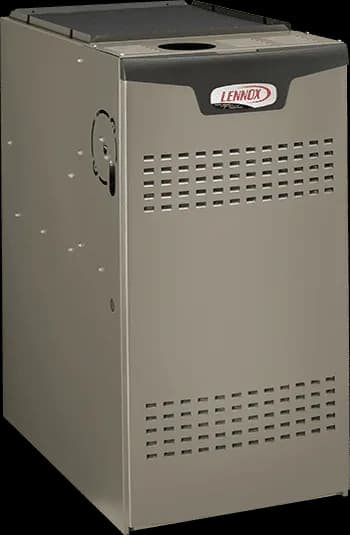
A gas furnace heats air through combustion and distributes it via ductwork.
While Las Vegas is known for extreme summer heat, winter nights regularly drop into the 30s and 40s. A properly maintained furnace keeps your home comfortable during these cold desert nights. Most Las Vegas homes use a gas furnace paired with an AC unit in a split system configuration, sharing the same ductwork and blower for year-round comfort.
Schedule furnace maintenance in early fall before heating season begins. A tune-up includes inspecting the heat exchanger for cracks, testing the ignition system, cleaning the burners, and checking gas connections — all critical for safety and efficiency.
“Schedule furnace maintenance in early fall before heating season begins. A tune-up includes inspecting the heat exchanger for cracks, testing the ignition system, cleaning the burners, and checking gas connections — all critical for safety and efficiency.”
Modern condensing furnaces achieve up to 98% AFUE by extracting additional heat from exhaust gases that older furnaces vented outside, making them among the most efficient heating appliances available.
How long does a furnace last?
A well-maintained gas furnace typically lasts 15 to 25 years. Electric furnaces can last 20 to 30 years since they have fewer mechanical components.
How do I know if my furnace needs replacing?
Signs include frequent repairs, rising energy bills, uneven heating, yellow burner flames instead of blue, and the unit being over 15 years old.
Is a gas furnace safe?
Yes, when properly installed and maintained. Annual inspections, working CO detectors, and prompt repair of any issues keep gas furnaces safe for your family.
Need help with furnace? Our licensed technicians in Las Vegas are ready to assist.
Fill out the form below. We typically respond within minutes.


