

A heat exchanger transfers heat between two fluids without mixing them. In HVAC systems it moves heat from combustion gases to indoor air (furnaces), from refrigerant to air (coils), or between water loops. Heat exchangers are essential for efficient heating and cooling while keeping air safe and clean.
/hiːt ɪksˈtʃeɪndʒər/
A heat exchanger transfers heat between two fluids without mixing them. In HVAC systems it moves heat from combustion gases to indoor air (furnaces), from refrigerant to air (coils), or between water loops. Heat exchangers are essential for efficient heating and cooling while keeping air safe and clean.
Why is a heat exchanger important?
It transfers heat efficiently while keeping combustion gases and indoor air safely separated.
Source: The Cooling Company

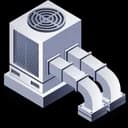
Heat exchangers move heat efficiently between fluids.
In a furnace, the heat exchanger warms air for the home while keeping combustion gases separated from indoor air.
Schedule annual inspections to detect cracks or fouling that can reduce efficiency or create safety risks.
“Schedule annual inspections to detect cracks or fouling that can reduce efficiency or create safety risks.”
Heat exchanger design has a major impact on HVAC efficiency and performance.
Can a cracked heat exchanger be repaired?
It depends on the system, but replacement is often recommended for safety.
How long does a heat exchanger last?
Often 10–20 years, depending on maintenance and system quality.
What are signs of heat exchanger problems?
Soot, unusual odors, frequent shutdowns, or CO alarm triggers.
Need help with heat exchanger? Our licensed technicians in Las Vegas are ready to assist.
Fill out the form below. We typically respond within minutes.


