

An HRV (heat recovery ventilator) brings in fresh outdoor air while exhausting stale indoor air and transferring heat between the two streams. This improves indoor air quality without losing as much heating energy, making it ideal for tightly sealed homes. HRVs are most effective in colder climates with long heating seasons.
/ˌhiːt rɪˈkʌvəri ˌvɛnˈtɪleɪtər/
An HRV (heat recovery ventilator) brings in fresh outdoor air while exhausting stale indoor air and transferring heat between the two streams. This improves indoor air quality without losing as much heating energy, making it ideal for tightly sealed homes. HRVs are most effective in colder climates with long heating seasons.
What does an HRV do?
It brings in fresh air while recovering heat from exhaust air to reduce energy loss.
Source: The Cooling Company

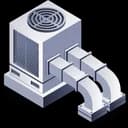
HRVs recover heat while ventilating with fresh air.
A modern, tightly sealed home uses an HRV to keep indoor air fresh while reducing heating costs during winter.
Clean or replace HRV filters regularly and confirm the system is properly balanced.
“Clean or replace HRV filters regularly and confirm the system is properly balanced.”
HRVs can recover 60–80% of the heat from exhaust air depending on design.
What is the difference between an HRV and ERV?
HRVs transfer heat, while ERVs transfer both heat and moisture.
Do HRVs run all the time?
They can, but many systems use schedules or demand controls.
Can an HRV be added to an existing HVAC system?
Yes, with proper ducting and professional installation.
Need help with hrv (heat recovery ventilator)? Our licensed technicians in Las Vegas are ready to assist.
Fill out the form below. We typically respond within minutes.


