

A kilowatt (kW) is a unit of power equal to 1,000 watts. It describes the rate at which energy is used or produced and is commonly used to size HVAC equipment and estimate energy consumption. Higher kW ratings generally mean more heating or cooling capacity and higher energy use.
/ˈkɪləwɑːt/
A kilowatt (kW) is a unit of power equal to 1,000 watts. It describes the rate at which energy is used or produced and is commonly used to size HVAC equipment and estimate energy consumption. Higher kW ratings generally mean more heating or cooling capacity and higher energy use.
What does kW tell you about HVAC?
It indicates the power or capacity of heating and cooling equipment.
Source: The Cooling Company

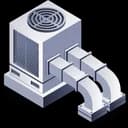
kW measures power used for heating and cooling.
A small home may use a 5 kW heater, while a large commercial space might require 200 kW or more.
Match kW capacity to building size and insulation to avoid overspending on energy.
“Match kW capacity to building size and insulation to avoid overspending on energy.”
The term 'watt' honors James Watt, who improved steam engine efficiency.
Is higher kW always better?
Not always. Oversizing can increase energy use and reduce comfort.
What is the difference between kW and kWh?
kW is power at a moment in time; kWh is energy used over time.
Can I estimate energy bills from kW?
Yes, by multiplying kW by runtime hours to get kWh.
Need help with kilowatt (kw)? Our licensed technicians in Las Vegas are ready to assist.
Fill out the form below. We typically respond within minutes.


