

Return air is the indoor air that flows back to your HVAC system through return ducts and grilles to be filtered, conditioned, and recirculated. In a forced-air system, the blower motor draws air from living spaces through return vents, pulls it through the air filter, and passes it across the evaporator coil (for cooling) or heat exchanger (for heating) before pushing the conditioned air back out through supply vents. Proper return air volume and duct sizing are critical for system performance — restricted return airflow causes pressure imbalances, reduced efficiency, and strain on HVAC components. Most residential systems use a central return or multiple room returns to maintain balanced airflow.
/rɪˈtɜːrn ˈɛər/
Return air is the indoor air that flows back to your HVAC system through return ducts and grilles to be filtered, conditioned, and recirculated. In a forced-air system, the blower motor draws air from living spaces through return vents, pulls it through the air filter, and passes it across the evaporator coil (for cooling) or heat exchanger (for heating) before pushing the conditioned air back out through supply vents. Proper return air volume and duct sizing are critical for system performance — restricted return airflow causes pressure imbalances, reduced efficiency, and strain on HVAC components. Most residential systems use a central return or multiple room returns to maintain balanced airflow.
What is return air in HVAC?
Return air is the air drawn from your living spaces back into the HVAC system through return vents. It passes through the filter and is heated or cooled before being sent back out through supply vents.
Source: The Cooling Company

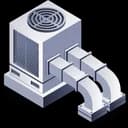
Return air travels from your rooms back to the system for filtering and reconditioning.
In many Las Vegas homes, the return air grille is a single large vent in a hallway or central area. If bedroom doors are closed at night without adequate return paths, pressure builds up in those rooms, pushing conditioned air out through any gap and pulling unconditioned attic or garage air in through the return side. This wastes energy and creates hot and cold spots.
Never block return air grilles with furniture, curtains, or rugs. Restricted return airflow is one of the most common causes of HVAC inefficiency, frozen coils, and premature equipment failure.
“Never block return air grilles with furniture, curtains, or rugs. Restricted return airflow is one of the most common causes of HVAC inefficiency, frozen coils, and premature equipment failure.”
Many older homes were built with undersized return ductwork. Adding a second return or enlarging existing returns is one of the most cost-effective HVAC upgrades for improving comfort and efficiency.
Where are return air vents located?
Return vents are typically found in hallways, common areas, or each room. They are larger than supply vents and do not have adjustable louvers.
Why is my return vent so loud?
A noisy return often indicates undersized ductwork, a clogged filter, or a gap in the duct connection. The noise comes from air being forced through a restricted opening.
Should I close return vents in unused rooms?
No. Closing return vents disrupts the system's air balance, increases pressure on the blower motor, and reduces overall efficiency.
Need help with return air? Our licensed technicians in Las Vegas are ready to assist.
Fill out the form below. We typically respond within minutes.


