

An HVAC zoning system divides your home into separate areas (zones) that can be heated or cooled independently, each controlled by its own thermostat. Motorized dampers installed inside the ductwork open and close to direct conditioned air only to the zones calling for it. This allows different rooms or floors to be maintained at different temperatures simultaneously, eliminating the one-thermostat-fits-all limitation of conventional systems. Zoning is especially valuable in multi-story homes, homes with large windows, or any building where different areas have significantly different heating and cooling needs. A zone control board coordinates signals from the thermostats and dampers to manage airflow distribution.
/ˈzoʊnɪŋ ˈsɪstəm/
An HVAC zoning system divides your home into separate areas (zones) that can be heated or cooled independently, each controlled by its own thermostat. Motorized dampers installed inside the ductwork open and close to direct conditioned air only to the zones calling for it. This allows different rooms or floors to be maintained at different temperatures simultaneously, eliminating the one-thermostat-fits-all limitation of conventional systems. Zoning is especially valuable in multi-story homes, homes with large windows, or any building where different areas have significantly different heating and cooling needs. A zone control board coordinates signals from the thermostats and dampers to manage airflow distribution.
What is an HVAC zoning system?
A zoning system divides your home into separate areas, each with its own thermostat, so you can heat or cool different rooms to different temperatures independently.
Source: The Cooling Company

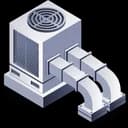
Zoning systems use dampers and multiple thermostats to control each area independently.
Las Vegas two-story homes are prime candidates for zoning. The upstairs bedrooms can be 5 to 10°F warmer than the downstairs living area because heat rises and the upper floor receives more direct sun exposure. A zoning system lets you cool the upstairs more aggressively during the day without overcooling the downstairs, saving energy and improving comfort throughout the home.
If your two-story home has persistent hot and cold spots, a zoning system is often more effective and less expensive than adding a second HVAC unit. Start with a two-zone setup — one for upstairs and one for downstairs.
“If your two-story home has persistent hot and cold spots, a zoning system is often more effective and less expensive than adding a second HVAC unit. Start with a two-zone setup — one for upstairs and one for downstairs.”
The Department of Energy estimates that zoning can save up to 30% on heating and cooling costs by eliminating energy waste in rooms that do not need conditioning at a given time.
How many zones should my home have?
Most homes benefit from two to four zones. Common divisions include upstairs/downstairs, bedrooms/living areas, and rooms with large windows or sun exposure.
Can I add zoning to my existing HVAC system?
Yes. Retrofit zoning involves installing motorized dampers in existing ductwork, adding zone thermostats, and a control board. A variable-speed blower motor is recommended for best results.
Is a zoning system expensive?
A two-zone retrofit typically costs $1,500 to $3,500 depending on ductwork complexity. The energy savings and comfort improvement often provide a payback within three to five years.
Need help with zoning system? Our licensed technicians in Las Vegas are ready to assist.
Fill out the form below. We typically respond within minutes.


