

Best Air Conditioners for Extreme Heat: 2026 Las Vegas Desert Climate Guide
Short answer: The best air conditioners for Las Vegas extreme heat in 2026 are those with high-ambient performance ratings, variable-speed or inverter-driven compressors that maintain efficiency at 115 degrees F and above, corrosion-resistant condenser coils, and UV-resistant cabinets. The Lennox SL28XCV leads our ranking with 28 SEER and inverter-driven technology that adjusts output continuously at extreme temperatures rather than cycling on and off. Standard AHRI ratings test at 95 degrees F, which is essentially meaningless in Las Vegas where outdoor temperatures regularly exceed 115 degrees F for weeks at a time. In the desert, you need an AC that was built for the worst day of summer, not the national average.
Ready to get the right system for the desert? Call (702) 567-0707 or Schedule Now.
Every air conditioner buying guide on the internet ranks units the same way: SEER2 rating, price, brand reputation, done. Those guides are written for homeowners in Atlanta, Chicago, or Dallas, where 95 degrees F is the hottest day of summer and the AC runs maybe three months per year. They are functionally useless in Las Vegas.
Las Vegas is not a normal cooling market. It is arguably the most demanding residential AC environment in the United States. When your outdoor condenser sits in 115-degree heat on a July afternoon, when your attic hits 150 degrees and your ductwork is baking inside it, when dust storms coat your condenser coils and monsoon humidity follows an hour later, the AC system you need is fundamentally different from what works in a mild climate. This guide ranks the 10 best air conditioners specifically for desert extreme heat performance in 2026, explains why the standard ratings mislead Las Vegas buyers, and covers everything from high-ambient capacity loss to desert maintenance schedules that keep your system alive.
If you are shopping for a general brand comparison, our Top 25 Air Conditioning Brands for 2026 guide covers the full market. This article is different. This is about which systems survive and perform when the thermometer says 117 and your family needs the house at 76.
Key Takeaways
- Standard AHRI ratings are misleading for Las Vegas. SEER2 and capacity ratings are tested at 95 degrees F. In Las Vegas, you need to evaluate performance at 115 degrees F or higher, where most single-stage systems lose 15-25% of their rated cooling capacity.
- EER2 matters more than SEER2 in the desert. EER2 is measured at a single high-temperature operating point, making it a far better predictor of Las Vegas performance than SEER2, which averages across a full season of varied temperatures.
- Inverter and variable-speed compressors outperform single-stage in extreme heat. They ramp up gradually instead of hard-cycling, reducing compressor stress and maintaining 85-95% of rated capacity even at 115 degrees F.
- Condenser coil technology is a desert differentiator. Lennox Quantum Coil, Carrier WeatherArmor, and Trane DuraTuff designs resist dust buildup, UV degradation, and corrosion far better than standard copper-aluminum coils.
- Desert maintenance is not optional. Filters need monthly replacement in Las Vegas. Condenser coils need quarterly cleaning. A dirty system in 115-degree heat loses 15-30% efficiency versus 5-10% in a mild climate.
- Manual J load calculations must use 115 degrees F design temperature. National averages undersize systems for Las Vegas. A half-ton of extra capacity is appropriate and often necessary for desert peak demand days.
Why Las Vegas Is the Hardest City on Air Conditioners
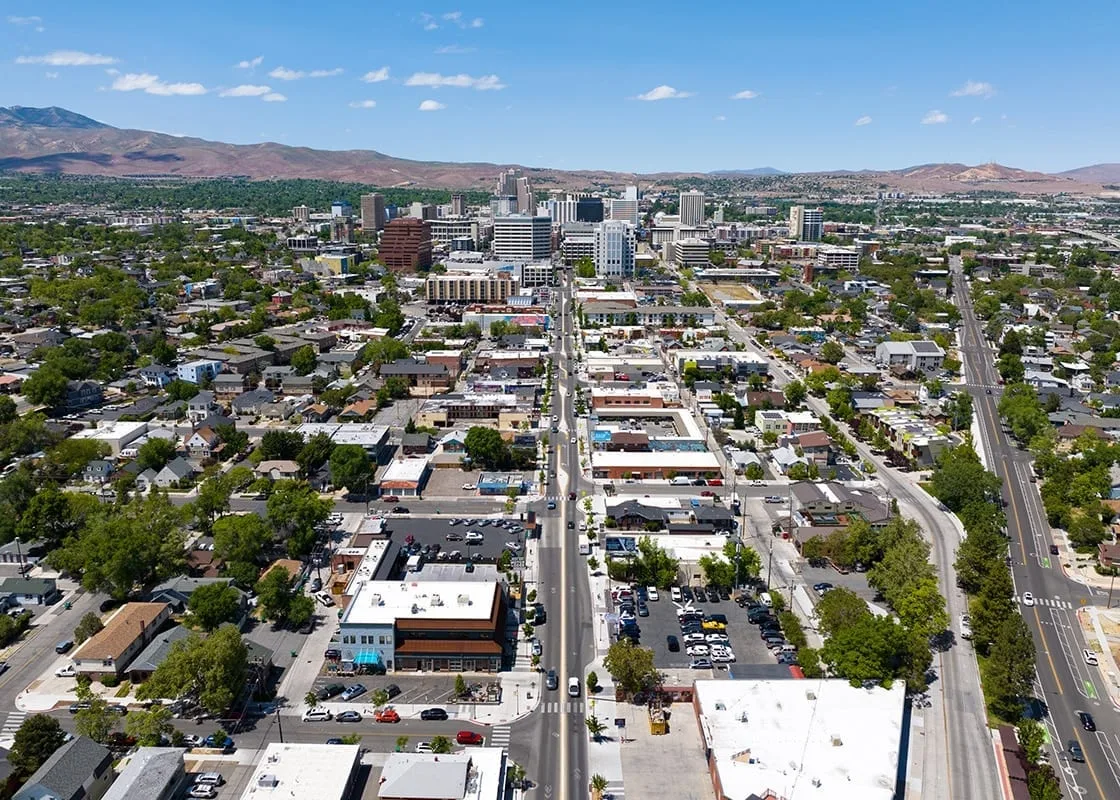
Before we rank individual models, you need to understand why Las Vegas destroys air conditioners faster than almost anywhere else in the country. This is not marketing language. The combination of extreme heat, UV radiation, airborne particulates, and runtime hours creates conditions that no other major U.S. metro matches.
115 Degrees F and Above: The New Normal
Las Vegas averages 10 to 15 days per summer above 115 degrees F, and that number has been climbing. In July 2024, the city hit 120 degrees F, setting a new all-time record. The National Weather Service recorded 11 consecutive days above 115 degrees that same month. When those temperatures hit, every air conditioner in the valley is running at absolute maximum output for 14 to 18 hours straight. That is not a stress test. That is Tuesday.
At 115 degrees, the temperature differential between outdoor air and your target indoor temperature of 76 degrees is 39 degrees. Your condenser has to reject heat into air that is already scorching. The laws of thermodynamics are not kind here. The smaller the temperature difference between the condenser coil and the outdoor air, the harder it is to dump heat. This is exactly why capacity drops at extreme temperatures, and why systems designed for mild climates fall apart in the desert.
150 Degrees F Attic Temperatures
Most Las Vegas homes, especially those built during the 1990s and 2000s housing boom, have their air handler and ductwork in the attic. On a 115-degree day, your attic temperature easily exceeds 150 degrees F. Your indoor equipment is trying to cool your home while sitting inside an oven. The air handler is pulling in attic air through every small gap and duct leak, the supply ducts are radiating heat into the already-hot attic space, and the return ducts are absorbing heat from the attic into the conditioned air stream. A 20-30% cooling loss through attic ductwork is common in poorly insulated Las Vegas homes.
Dust Storms and Monsoon Cycles
Monsoon season runs from July through September, bringing haboobs — massive dust storms that sweep through the valley with walls of dust hundreds of feet high. A single haboob can clog your condenser coils in minutes, reducing airflow and forcing the compressor to work harder. Then, within hours, monsoon thunderstorms roll in and relative humidity swings from 10% to 60%. That combination of fine desert dust and sudden moisture creates a corrosive paste on condenser coils and electrical connections. Systems need both dust resistance and dehumidification capability to handle monsoon season without degrading.
Five-Month Intense Cooling Season
In Las Vegas, your air conditioner runs seriously from May through September, often 12 to 18 hours per day during peak summer. That is roughly 2,000 to 2,700 hours of runtime in a single season. Compare that to Portland or Seattle, where the average home runs AC maybe 400 to 800 hours per year. A Las Vegas air conditioner accumulates three to four years of moderate-climate wear in a single summer. Compressors, contactors, capacitors, and fan motors all age proportionally to runtime hours. This is why a system that lasts 20 years in Oregon might last 10 to 12 years in Las Vegas.
UV Radiation and Sun Exposure
Las Vegas receives over 300 sunny days per year and is one of the highest UV-index cities in the country. Ultraviolet radiation degrades plastic components, wiring insulation, refrigerant line jackets, thermostat wire sheathing, and condenser fan blade material. Cheap outdoor units with thin plastic components and uncoated wiring become brittle and crack within a few years. The cabinet itself needs UV-resistant powder coating to avoid premature rusting and paint degradation.
Hard Water and Scale Buildup
Southern Nevada water is among the hardest in the nation, averaging 16-20 grains per gallon. This hard water flows through evaporative equipment and creates scale buildup in condensate drains, evaporator coils, and any humidification components. Clogged condensate drains cause water damage, and mineral deposits on evaporator coils reduce heat transfer efficiency over time.
Power Grid Stress
When every home and casino on the NV Energy grid is pulling maximum power during a heat wave, voltage fluctuations and brownouts are real risks. A brownout — where voltage drops below normal levels — can kill compressor motors, fry control boards, and damage capacitors. Systems without built-in surge protection or brownout handling are vulnerable during the exact moments they are working hardest. This is one reason why electronic protection features matter more in Las Vegas than in most markets.
What Makes an AC "Desert-Rated"
There is no official "desert-rated" certification from AHRI or the Department of Energy. But experienced HVAC contractors in Las Vegas evaluate systems against a specific set of characteristics that determine whether a unit will perform and survive in the Mojave. Here is what separates a desert-capable air conditioner from a unit designed for the national average.
High-Ambient Performance
This is the single most important specification for Las Vegas buyers, and the one that standard shopping guides completely ignore. High-ambient performance measures how well a system maintains its rated cooling capacity when outdoor temperatures exceed 95 degrees F. A 5-ton unit rated at 95 degrees may only deliver 3.5 to 4 tons of actual cooling at 115 degrees. That 20-30% capacity drop can be the difference between a comfortable home and a system that runs nonstop but never reaches your thermostat setpoint. Variable-speed and inverter compressors typically lose only 5-15% at 115 degrees because they ramp up their output rather than cycling on and off at a fixed speed.
Condenser Coil Durability
The condenser coil is the component most exposed to desert conditions: dust, UV radiation, monsoon humidity, and extreme heat. Lennox uses Quantum Coil technology with an aluminum alloy designed to resist corrosion while maintaining efficient heat transfer even when coated with fine desert dust. Carrier uses WeatherArmor Ultra protection. Trane uses DuraTuff rust-resistant basepans. Standard copper-aluminum coils without special coatings corrode faster in the desert and require more frequent cleaning to maintain airflow.
Compressor Technology
Three compressor types dominate the market: single-stage (on or off), two-stage (high and low), and variable-speed or inverter (continuously adjustable). In extreme heat, inverter compressors have a decisive advantage. Instead of hard-starting at full capacity and then shutting off when the thermostat is satisfied, an inverter compressor — like the one in the Lennox SL28XCV — modulates its speed continuously, matching output to the exact cooling load at any given moment. This eliminates the brutal hard-start cycles that destroy compressors in extreme heat and allows the system to maintain steady temperatures rather than the 3 to 5 degree swings common with single-stage units. For a deeper look at how SEER2 ratings reflect this technology difference, see our glossary entry.
UV-Resistant Cabinet
The outdoor unit sits in direct Las Vegas sun for years. A quality desert unit features powder-coated galvanized steel construction, louvered panel design that allows airflow while protecting internal components, and UV-resistant fan grille materials. Cheaper units with thinner gauge steel and uncoated fasteners develop rust, rattling panels, and structural weakness within a few years of desert exposure.
Sound Level at Full Load
Most sound ratings are measured at the system's lowest or moderate speed. In Las Vegas, your system runs at or near full load for the majority of the cooling season. The sound level that matters here is the full-load decibel rating, not the whisper-quiet minimum speed number used in marketing materials. A 56 dB minimum is meaningless if the unit screams at 72 dB when running at maximum capacity on a 115-degree day.
Electronic Protection
Built-in surge protection, soft-start technology, and brownout detection are not luxury features in Las Vegas. They are survival features. A voltage surge during a summer power fluctuation can destroy a $1,500 control board or $3,000 compressor in an instant. Systems with integrated surge protection and compressor savers add meaningful protection against the grid stress that accompanies every Vegas heat wave.
Refrigerant Type
The industry is transitioning from R-410A to R-454B under the EPA's HFC phasedown regulations. R-454B operates at slightly lower pressures than R-410A, which can potentially reduce stress on compressor components at extreme temperatures. Systems using R-454B, like the Lennox SL28XCV, represent the next generation of refrigerant technology. That said, R-410A has decades of proven desert performance and remains a solid choice in current systems. For background on the refrigerant transition, see our R-410A phaseout guide.
Top 10 AC Models for Las Vegas in 2026 — Ranked
These rankings prioritize desert-specific performance: high-ambient capacity retention, compressor durability, coil resistance to dust and corrosion, and proven track records in the Las Vegas valley. This is not a repackaged national ranking. Every model was evaluated through the lens of what happens when the thermometer reads 117 and your system has been running for 14 hours straight.
1. Lennox SL28XCV — Best Overall for Desert Heat
The Lennox SL28XCV is the flagship of Lennox's residential lineup and the air conditioner we recommend most for Las Vegas homeowners who want the best available protection against extreme heat. It combines the highest efficiency rating on the market with inverter-driven technology specifically designed to handle variable cooling loads without the compressor stress that destroys lesser systems.
- SEER2: 28.0
- EER2: 17.0 (highest in its class)
- Compressor: Inverter-driven variable-speed
- Coil technology: Quantum Coil (corrosion-resistant aluminum alloy, efficient heat transfer even when dusty)
- Sound: 56 dB at lowest speed (ultra-quiet in neighborhood settings)
- Refrigerant: R-454B (next-generation, lower operating pressures)
- Smart integration: iComfort S30 smart thermostat included
- Warranty: 10-year compressor and parts with labor included
- Price range: $7,250-$13,950 (condenser only) / $21,995+ (complete system bundle installed)
Desert advantage: The inverter compressor adjusts output continuously from approximately 35% to 100% capacity. In extreme heat, it ramps up smoothly rather than slamming on at full blast. This eliminates the hard-start/hard-stop cycling that is the number one compressor killer in Las Vegas. The 17.0 EER2 rating means it maintains more of its efficiency at the single high-temperature test point that most closely represents peak Las Vegas conditions. Quantum Coil technology sheds dust more easily than traditional coils and resists the corrosion that monsoon-season humidity causes on standard aluminum fins.
Trade-off: Premium price. The iComfort ecosystem is proprietary, meaning you need Lennox-compatible smart home components to take full advantage of the thermostat integration. But for homeowners who want the system most likely to still be performing at peak level after 10 years of Las Vegas summers, the SL28XCV justifies the investment. As a Lennox Premier Dealer, The Cooling Company provides full installation and warranty support for this system. For a complete look at system pricing, see our Lennox system pricing guide.
2. Lennox XC25 — Best Premium for Desert (R-410A)
The XC25 has been Lennox's proven premium variable-speed platform for years, and it has an extensive track record in the Las Vegas valley. For homeowners who prefer a system with years of real-world desert validation on the established R-410A refrigerant, the XC25 is the safest premium choice available.
- SEER2: 26.0
- EER2: 16.5
- Compressor: Variable-speed
- Coil technology: Quantum Coil with SilentComfort technology
- Sound: 59 dB
- Refrigerant: R-410A (proven desert reliability)
- Warranty: 10-year compressor and parts with labor
- Price range: $5,850-$11,050 (condenser) / $16,495+ (complete system bundle installed)
Desert advantage: Years of proven Las Vegas installations. Variable-speed compressor handles the load fluctuations of desert cooling smoothly. SilentComfort technology keeps noise manageable even at higher speeds. The Quantum Coil handles dust and corrosion as well as the SL28XCV. Many Las Vegas contractors consider this the gold standard for premium desert AC because it has the longest local track record.
Trade-off: R-410A is being phased down, meaning long-term refrigerant costs may increase. Slightly lower EER2 than the SL28XCV. But for homeowners who value proven technology over bleeding-edge specs, this is a strong choice. See our Lennox replacement guide for details on upgrading from an older Lennox system to the XC25.
3. Carrier Infinity 26 (24VNA6) — Best Alternative Premium
The Carrier Infinity 26 is the strongest non-Lennox premium option for Las Vegas. Carrier's Greenspeed Intelligence variable-speed technology and their WeatherArmor Ultra cabinet protection were specifically designed for harsh climate performance, and the system has earned a solid reputation among desert contractors.
- SEER2: ~24
- EER2: ~15.5
- Compressor: Greenspeed Intelligence (variable-speed)
- Cabinet: WeatherArmor Ultra protection
- Sound: ~58 dB
- Warranty: 10-year compressor and parts
Desert advantage: The WeatherArmor Ultra cabinet was explicitly designed for extreme weather exposure. It features a louvered top design that prevents debris from entering while allowing heat to escape, powder-coated steel panels, and galvanized steel base rails that resist the rust that desert monsoons cause. Carrier also has one of the largest dealer networks in Las Vegas, meaning parts availability during peak season is excellent. When you need a compressor or control board in the middle of July, local parts availability matters enormously. For a head-to-head comparison, read our Lennox vs. Carrier analysis.
Trade-off: Lower EER2 than both Lennox premium options. Infinity control system, while capable, has a steeper learning curve than some competitors. Higher service costs through Carrier dealer network.
4. Trane XV20i — Most Durable for Desert
If durability is your primary concern and you want the system most likely to still be running in 15 years with minimal repairs, the Trane XV20i earns that reputation honestly. Trane's engineering philosophy has always prioritized longevity over maximum efficiency, and in the desert, longevity has real financial value.
- SEER2: ~21.5
- EER2: ~13.5
- Compressor: Climatuff variable-speed
- Base: DuraTuff basepan (UV and rust resistant)
- Sound: ~58 dB
- Warranty: 12-year compressor warranty (industry-leading length)
Desert advantage: The Climatuff compressor is legendary among HVAC contractors for surviving conditions that kill other brands. The DuraTuff basepan resists the UV degradation and rust that destroy standard basepans in 5-7 years of Las Vegas sun. Trane backs this with the longest compressor warranty in the industry at 12 years, which tells you something about their confidence in the hardware. Many Las Vegas technicians will tell you privately that Trane systems outlast everything else in the valley by 2-3 years on average. For a detailed brand comparison, see our Lennox vs. Trane analysis.
Trade-off: Lower efficiency than all three models ranked above it. The 13.5 EER2 means it works harder at peak temperatures, consuming more electricity. Over 10 years in Las Vegas, the energy cost difference between a 17.0 EER2 Lennox and a 13.5 EER2 Trane is $3,000-$6,000. Trane also tends to carry premium pricing relative to its efficiency numbers.
5. Daikin DX20VC — Best Inverter Technology
Daikin is the world's largest air conditioning manufacturer, and their inverter compressor technology benefits from global R&D across some of the hottest markets on the planet, including the Middle East, Southeast Asia, and Australia. The DX20VC brings that global extreme-heat engineering to the residential U.S. market.
- SEER2: ~22
- EER2: ~14.0
- Compressor: Inverter-driven variable-speed
- Sound: Quiet operation across speed range
- Warranty: 12-year parts limited warranty
Desert advantage: Daikin's inverter technology has been refined across markets that face heat comparable to or worse than Las Vegas, including Dubai, Riyadh, and Mumbai. The experience of engineering for those environments translates directly to the Mojave. The inverter compressor provides the same smooth modulation as the Lennox SL28XCV, avoiding hard starts and maintaining consistent output at extreme temperatures.
Trade-off: Smaller dealer network in Las Vegas compared to Lennox, Carrier, and Trane. Parts availability during peak season can be more limited. Less established local track record than the top three brands.
6. American Standard AccuComfort Platinum 20
American Standard is built by the same parent company as Trane, using the same factories and many of the same components. The AccuComfort Platinum 20 offers Trane's engineering and durability at a somewhat lower price point, making it the smart choice for homeowners who want Trane reliability without paying the Trane name premium.
- SEER2: ~20
- EER2: ~13.0
- Compressor: Variable-speed Duration compressor
- Sound: ~57 dB
- Warranty: 10-year parts limited warranty
Desert advantage: Trane durability at a lower price point. The Duration compressor is essentially Trane's Climatuff with different branding. UV-resistant components, solid cabinet construction, and the proven engineering platform that makes Trane a contractor favorite in the desert. Excellent value for homeowners who want longevity as their primary feature.
Trade-off: Lower efficiency than premium options means higher summer electric bills. The efficiency gap between this unit and the Lennox SL28XCV translates to roughly $400-$800 per year in Las Vegas energy costs. Smaller marketing presence means fewer special financing promotions compared to Trane and Lennox.
7. Rheem Prestige RA20
Rheem's Prestige line has improved significantly in recent years, and the RA20 brings a unique feature to the desert market: the EcoNet smart monitoring platform, which provides real-time system performance data and alerts.
- SEER2: ~20.5
- EER2: ~13.5
- Compressor: Variable-speed
- Smart platform: EcoNet enabled
- Warranty: 10-year parts limited warranty
Desert advantage: The EcoNet platform provides real-time alerts when the system is struggling in extreme heat, when refrigerant pressures fall outside normal range, or when performance degrades. In Las Vegas, where system failure during a heat wave is a genuine health hazard for elderly residents and families with young children, real-time monitoring has practical life-safety value. The system can notify you and your dealer of problems before they become complete failures.
Trade-off: The EcoNet platform requires Wi-Fi connectivity and the Rheem dealer ecosystem for full functionality. Overall build quality, while improved, still does not match the Trane/Lennox tier in long-term durability testing. Smaller authorized dealer presence in Las Vegas limits service options during peak season.
8. Lennox EL16XC1 — Best Mid-Range for Vegas
Not every homeowner needs or can afford a $20,000+ premium system. The Lennox EL16XC1 is the best mid-range option specifically for desert conditions because it pairs Lennox's Quantum Coil technology — the same corrosion-resistant coil used in the SL28XCV — with a simpler, more affordable single-stage platform.
- SEER2: 17.0
- Compressor: Single-stage
- Coil technology: Quantum Coil
- Warranty: 10-year compressor and parts
- Price range: $2,450-$4,850 (condenser) / $8,025+ (complete system bundle installed)
Desert advantage: The Quantum Coil is the headline feature here. At this price point, no other brand offers comparable condenser coil technology. The coil handles dust and corrosion as well as the premium Lennox models, which means the component most exposed to desert conditions is protected at a fraction of the cost. The single-stage compressor is simpler, with fewer electronic components to fail in extreme heat. Simplicity is a legitimate advantage when ambient temperatures regularly stress electronic controls. For a look at common issues and costs with Lennox systems in our climate, see our Lennox AC repair guide.
Trade-off: Single-stage means the compressor is either fully on or fully off. You lose the smooth modulation of variable-speed systems, which means slightly wider temperature swings, less dehumidification control during monsoon season, and more compressor wear from hard cycling. But at this price point, the Quantum Coil protection and Lennox build quality make it the desert mid-range standout.
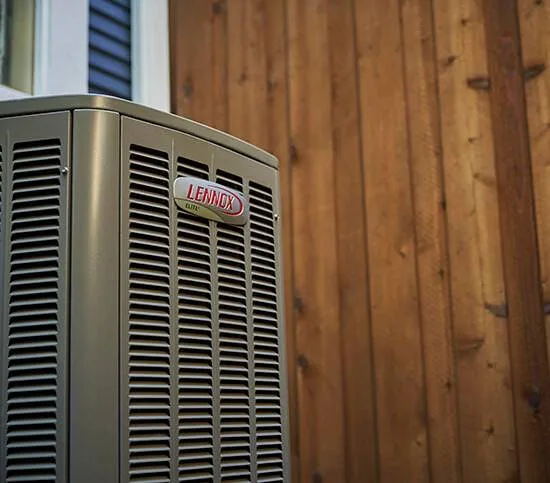
9. Goodman GSXC18 — Best Budget for Desert
For homeowners on a tight budget who still need a system that can handle Las Vegas heat, the Goodman GSXC18 is the value pick. Goodman is owned by Daikin, which means the engineering and quality control have improved substantially from Goodman's reputation a decade ago.
- SEER2: ~18
- Compressor: Two-stage
- Warranty: Daikin-backed limited warranty; lifetime compressor warranty on select models
- Price range: Significantly less than premium brands (typically 30-50% below Lennox/Carrier/Trane for comparable tonnage)
Desert advantage: Best value option for Las Vegas. The two-stage compressor provides some load-matching capability, running at lower capacity during mild conditions and full capacity during peak heat. Daikin's backing has improved manufacturing quality, and the lifetime compressor warranty on select models demonstrates confidence in the hardware. For budget-conscious homeowners who need a reliable system now, the GSXC18 delivers acceptable desert performance at a price point that allows investment in proper ductwork and insulation upgrades. For a detailed comparison, see our Lennox vs. Goodman analysis.
Trade-off: Cabinet and coil construction do not match premium brands in corrosion resistance and UV durability. Expect a shorter lifespan in Las Vegas compared to Lennox or Trane — roughly 8-12 years versus 12-18 years for premium systems. Lower EER2 means higher operating costs at peak temperatures. But the initial cost savings are real and meaningful for many families.
10. Bryant Evolution Extreme 26 (186CNV)
Bryant is Carrier's sister brand, built in the same factories with the same core technology but distributed through a separate dealer network. The Evolution Extreme 26 offers Carrier engineering at a slightly different price point and with broader dealer availability in some Las Vegas zip codes.
- SEER2: ~24
- EER2: ~15.0
- Compressor: Variable-speed (Carrier-built)
- Technology: Perfect Heat and Cool variable-speed management
- Warranty: 10-year parts limited warranty
Desert advantage: Carrier's proven variable-speed engineering in a package that may be available through different dealers than the Carrier Infinity line. The Perfect Heat and Cool technology adjusts compressor speed in 1% increments for precise load matching. Same core engineering as the Infinity 26 ranked above, with cabinet and coil protection designed for harsh climate exposure.
Trade-off: Dealer network for Bryant is smaller than Carrier's in Las Vegas. Some Las Vegas contractors report that Bryant parts take slightly longer to source during peak season. Performance-wise, it is essentially a Carrier Infinity with different branding, so the trade-offs mirror the Carrier entry above.
High-Ambient Testing: What the Numbers Really Mean
Every air conditioner sold in the United States carries a yellow EnergyGuide sticker with efficiency and capacity ratings. Those numbers come from AHRI (Air-Conditioning, Heating, and Refrigeration Institute) standard testing conditions, and understanding exactly what those conditions are explains why the sticker is misleading for Las Vegas buyers.
AHRI Standard Testing Conditions
The standard AHRI test uses 95 degrees F outdoor temperature, 80 degrees F indoor temperature, and 67 degrees F wet-bulb temperature. This is designed to represent a "typical" cooling day across the national average. In Las Vegas, 95 degrees is a pleasant May afternoon. It is not even close to the conditions your AC faces during the four months that matter most.
The Las Vegas Reality
Real-world Las Vegas operating conditions during peak summer: 110-120 degrees F outdoor temperature, 150 degrees F or higher in the attic where the air handler sits, and extremely low humidity except during monsoon bursts. The 20+ degree difference between AHRI testing conditions and actual Las Vegas operating conditions changes everything about system performance.
Capacity Loss at Extreme Temperatures
At 115 degrees F, most single-stage air conditioning systems lose 15-25% of their rated cooling capacity. A system rated at 60,000 BTU (5 tons) at 95 degrees may only deliver 45,000-51,000 BTU at 115 degrees. Variable-speed and inverter systems perform significantly better, losing only 5-15% of rated capacity because they ramp up compressor speed to compensate for the harder working conditions.
Why EER2 Matters More Than SEER2 in Las Vegas
SEER2 (Seasonal Energy Efficiency Ratio) is calculated as a seasonal average across a range of temperatures, weighted toward moderate conditions. It is the number most heavily marketed because it produces the biggest, most impressive efficiency figures. But in Las Vegas, you do not care about performance at 82 degrees. You care about performance at 115 degrees.
EER2 (Energy Efficiency Ratio) is measured at a single high-temperature operating point. It tells you how efficiently the system operates under sustained hot conditions, which is exactly what Las Vegas demands for five months of the year. When comparing systems for desert use, EER2 is the more honest number.
EER2 Comparison of Our Top Picks
| Model | SEER2 | EER2 | EER2/SEER2 Ratio |
|---|---|---|---|
| Lennox SL28XCV | 28.0 | 17.0 | 0.61 |
| Lennox XC25 | 26.0 | 16.5 | 0.63 |
| Carrier Infinity 26 | ~24.0 | ~15.5 | 0.65 |
| Trane XV20i | ~21.5 | ~13.5 | 0.63 |
| Daikin DX20VC | ~22.0 | ~14.0 | 0.64 |
The EER2/SEER2 ratio tells you how well a system's real high-temperature performance compares to its seasonal marketing number. A higher ratio means the system holds its efficiency better at extreme temperatures. Notice that the Lennox models lead in absolute EER2 numbers, giving them the strongest real-world desert performance.
Why Capacity Drops Matter More in Vegas
Capacity loss at extreme temperatures is not just a technical footnote. It has direct consequences for home comfort and system longevity that Las Vegas homeowners experience every summer.
Consider a common scenario. Your HVAC contractor sizes your system based on a Manual J load calculation showing that your home needs 4.5 tons of cooling on a 115-degree design day. They install a 5-ton unit, assuming the half-ton of headroom provides a comfortable safety margin. But at 115 degrees, that 5-ton single-stage unit only delivers about 4 tons of actual cooling. You now have a 0.5-ton deficit. The system runs nonstop, your thermostat never reaches its setpoint, and the compressor is working at maximum capacity for 16 hours straight — the exact operating condition that causes premature compressor failure.
This is why Manual J load calculations in Las Vegas must use 115 degrees F as the outdoor design temperature, not the ACCA national default or whatever the contractor's software suggests. And it is why oversizing by one half-ton is actually appropriate and often necessary in Vegas. In most U.S. markets, oversizing is wasteful and causes humidity problems. In the Las Vegas desert, where humidity is rarely an issue and extreme heat is a certainty, that extra half-ton ensures your system meets the load on the hottest days without running at destructive maximum capacity for hours on end.
This is a controversial position in the HVAC industry. Most training materials and national organizations recommend against oversizing. They are not wrong for the national average. But Las Vegas is not the national average, and experienced local contractors understand that desert sizing rules are different. For a complete guide on AC replacement and proper sizing, see our 2026 AC replacement guide.
Ductwork Considerations for Desert Homes
You can install the most expensive, highest-rated air conditioner on the market, and it will still underperform if your ductwork is compromised. In Las Vegas, ductwork problems are not a minor efficiency concern. They are a major performance bottleneck that can negate thousands of dollars in equipment upgrades.
The Attic Duct Problem
Most Las Vegas homes built from the 1980s through the 2010s run their ductwork through the attic. During peak summer, attic temperatures exceed 150 degrees F. Supply ducts carrying 55-degree air through a 150-degree attic lose enormous amounts of cooling through conduction. Studies have shown that poorly insulated attic ductwork in desert climates loses 20-30% of total cooling output before the air ever reaches the living space. You are literally paying to cool your attic.
Insulation Requirements
The minimum acceptable duct insulation for Las Vegas attics is R-8. Many older homes have R-4 or R-6, which was standard at the time of construction but is grossly insufficient for the temperature differentials involved. Upgrading from R-6 to R-8 insulation on existing ductwork typically costs $1,500-$3,000 and can improve delivered cooling capacity by 10-15%. That is often a better return on investment than upgrading the AC unit itself.
Duct Sealing
Every leak in attic ductwork is cooling dollars literally baking away. A duct system with 15-20% leakage (common in homes over 15 years old) wastes 15-20% of the cooling you are paying for. Aeroseal duct sealing or professional mastic sealant application costs $1,000-$2,500 and can reduce leakage to under 5%. Combined with insulation upgrades, duct sealing often delivers the single largest improvement in home comfort per dollar spent.
Ductless Alternatives
For home additions, converted garages, bonus rooms, or rooms with chronic comfort problems, ductless mini-split systems bypass the attic ductwork problem entirely. A single-zone ductless mini-split delivers conditioned air directly to the room with no duct losses. For homes with serious ductwork problems, adding ductless systems to problem areas while maintaining the central system for the rest of the house can be more cost-effective than a full duct replacement. For more on this approach, see our heat pump installation page.
When to Replace Ductwork
If your ductwork is over 20 years old, seriously consider replacement before or alongside your AC upgrade. Old ducts in Las Vegas attics suffer from collapsed insulation, brittle flex duct material, disconnected joints, and accumulated dust that reduces airflow. In many cases, replacing deteriorated ductwork saves more cooling capacity than upgrading from a 14 SEER unit to a 20 SEER2 unit. It does not matter how efficient your new condenser is if only 70% of its cooling makes it through the ducts to your living space.
Desert Maintenance Schedule
Standard HVAC maintenance recommendations are written for the national average: replace filters quarterly, schedule professional maintenance annually, and clean condenser coils "as needed." In Las Vegas, those recommendations are dangerously inadequate. A dirty condenser coil in 115-degree heat loses 15-30% of its cooling efficiency, compared to 5-10% in a mild climate. The same neglect that causes minor efficiency loss in Portland causes system failure in Vegas.
Here is the maintenance schedule that experienced Las Vegas technicians recommend. It is more frequent and more involved than what you will read on any national HVAC blog, because the desert demands it.
Monthly: Filter Replacement
The national recommendation of quarterly filter changes does not work in Las Vegas. Dust levels in the valley are among the highest in the country. Desert construction dust, vehicle traffic dust, and natural desert particulates clog standard filters in 30 to 45 days. A clogged filter restricts airflow, forcing the blower motor to work harder and reducing the system's cooling output at exactly the time you need it most. Check your filter monthly and replace it when it shows visible dust loading. During monsoon season and active construction periods nearby, check every two weeks.
Quarterly: Condenser Coil Cleaning and Visual Inspection
Clean the outdoor condenser coils with a garden hose at least every three months during cooling season. Desert dust, cottonwood seeds, and monsoon debris accumulate on the coil fins and reduce heat transfer. While cleaning, visually inspect the refrigerant lines for signs of oil residue (which indicates a leak), check that the fan blade spins freely, and verify that the electrical disconnect is secure and free of insect nests.
Before Monsoon Season (June): Full System Tune-Up
Schedule a professional tune-up in June, before monsoon season begins. This should include refrigerant pressure verification, electrical connection tightening, capacitor testing, contactor inspection, condensate drain clearing, and blower motor amp draw measurement. Have the technician verify that the condensate drain is clear and flowing freely, because monsoon humidity dramatically increases condensate production and a clogged drain means water damage.
After Monsoon Season (October): Post-Storm Inspection
After monsoon season ends, inspect the condenser for dust and debris accumulation, check electrical connections for signs of corrosion from humidity exposure, clean the condenser coils thoroughly, and verify that the system is operating normally before the cooler months reduce demand. This inspection catches damage from monsoon storms before it worsens during the off-season.
Annually: Professional Comprehensive Maintenance
Once per year, typically in spring before the intense cooling season begins, schedule a comprehensive professional maintenance visit. This goes beyond the monsoon tune-up and includes full refrigerant charge measurement, evaporator coil inspection and cleaning, blower wheel cleaning, complete electrical testing with amp draw and voltage measurements, thermostat calibration, and ductwork inspection for new leaks or damage. For details on what professional maintenance includes and what it costs, see our HVAC maintenance page.
Why Maintenance Matters More in the Desert
A system operating at 85% efficiency in Seattle wastes some energy. A system operating at 85% efficiency in Las Vegas on a 115-degree day may not cool your home at all. The operating margins in extreme heat are razor-thin. A clean, well-maintained system running at 100% capacity can barely keep up on the hottest days. The same system running at 85% capacity due to dirty coils, a clogged filter, and a low refrigerant charge falls behind on those same days, runs nonstop trying to catch up, and burns out the compressor. Desert maintenance is not about saving a few dollars on your electric bill. It is about preventing catastrophic failure on the day your system is needed most.
NV Energy Rates and Why Efficiency Saves More in Vegas
Las Vegas electricity prices make high-efficiency equipment financially compelling in a way that does not apply in markets with cheaper power or shorter cooling seasons. Understanding the rate structure explains why the payback period for premium equipment is dramatically shorter in the desert.
Tiered Rate Structure
NV Energy uses a tiered residential rate structure. The more electricity you use, the more you pay per kilowatt-hour. During summer months, heavy air conditioning usage pushes most Las Vegas homes into the higher rate tiers, where each additional kWh costs more than the last. This means the most expensive electricity you buy is the electricity your AC consumes during peak cooling hours. A more efficient system does not just use fewer kWh — it keeps you in lower rate tiers, compounding the savings.
Real-World Summer Electric Bills
The average Las Vegas homeowner with a 2,000 to 2,500 square foot home pays $200-$400 per month in summer electricity, with air conditioning accounting for 50-70% of that total. Homes with older, low-efficiency systems or undersized ductwork can see summer bills exceeding $500. In a typical year, a Las Vegas homeowner spends $1,200-$2,500 annually on cooling alone.
Efficiency Upgrade Savings
Upgrading from a 14 SEER (old standard) system to a 28 SEER2 system like the Lennox SL28XCV can reduce cooling energy consumption by 40-50%. In Las Vegas, where cooling represents $1,200-$2,500 per year, that translates to $600-$1,500 in annual savings. Over a 15-year system lifespan, the cumulative savings range from $9,000 to $22,500.
Faster Payback in the Desert
This is the key financial argument for high-efficiency equipment in Las Vegas versus a moderate climate. Because your AC runs 5+ months per year at high intensity, the annual energy savings from a premium system are 2-3x what the same upgrade would save in Portland, Denver, or Charlotte. A $5,000 premium for the Lennox SL28XCV over a mid-range system may pay for itself in 4-6 years in Las Vegas versus 8-12 years in a moderate climate. The math favors premium equipment here more than almost anywhere else in the country.
For homeowners weighing the investment, the question is not whether a high-efficiency system saves money in Las Vegas — it does, without question. The question is whether you prefer to pay the premium upfront for the equipment or pay it monthly to NV Energy for the next 15 years. Either way, you are spending the money. One option gives you a better, quieter, more reliable system in the process.
Frequently Asked Questions
What is the best air conditioner for Las Vegas heat?
The Lennox SL28XCV is the best overall air conditioner for Las Vegas extreme heat in 2026, with 28 SEER efficiency, the highest EER2 rating in its class (17.0), an inverter-driven compressor that maintains 85-95% of capacity at 115 degrees F, and Quantum Coil technology that resists desert dust and corrosion. For homeowners on a tighter budget, the Lennox EL16XC1 offers the same Quantum Coil protection at a mid-range price point. See our top 25 AC brands ranking for the complete market comparison.
How does extreme heat affect AC performance?
At 115 degrees F, most single-stage AC systems lose 15-25% of their rated cooling capacity because the condenser must work harder to reject heat into already-scorching outdoor air. A 5-ton system rated at 95 degrees F may deliver only 3.5-4 tons at 115 degrees. Variable-speed and inverter compressors perform better, losing only 5-15% because they ramp up output to compensate. This capacity loss is why systems sized for the national average struggle in Las Vegas.
What SEER2 rating do I need in Las Vegas?
The federal minimum for Las Vegas is 14.3 SEER2, but in the desert, EER2 (measured at a single high-temperature point) matters more than SEER2 (a seasonal average). For Las Vegas, look for systems with EER2 ratings above 13.0. Higher SEER2 ratings (20+) pay back faster in Las Vegas than in moderate climates because your system runs 2,500-3,500 hours per year. A 28 SEER system saves $600-$1,500 annually over a 14.3 SEER2 minimum.
How often should I change my AC filter in the desert?
Every 30-60 days during cooling season, not the 90 days printed on the filter packaging. Las Vegas dust levels — including fine caliche, silica, and construction particulates — clog filters 2-3 times faster than moderate climates. During active nearby construction or dust storm seasons, check every two weeks. A clogged filter restricts airflow, forces the blower motor to work harder, and can cause the evaporator coil to freeze — all of which are far more damaging at 115 degrees than at 85 degrees.
Why does my AC struggle on the hottest days?
The most common causes are capacity loss at extreme temperatures (15-25% reduction at 115 degrees F for single-stage systems), dirty condenser coils reducing heat rejection, low refrigerant from a slow leak, attic duct losses (20-30% of cooling can be lost through poorly insulated attic ductwork), and an undersized system that was selected using national averages instead of the 115 degrees F Las Vegas design day temperature. A properly sized, clean, well-charged system should maintain your setpoint even on 115-degree days, though it may run continuously to do so.
What size AC do I need for a Las Vegas home?
System sizing in Las Vegas must use a Manual J load calculation with 115 degrees F as the outdoor design temperature — not the ACCA national default. Rules of thumb like "one ton per 500 square feet" are dangerously inaccurate in extreme heat. A typical 2,000-2,500 square foot Las Vegas home needs 4-5 tons of cooling capacity, but the actual requirement depends on insulation, window orientation, attic conditions, and duct efficiency. A half-ton of deliberate oversizing is appropriate in Las Vegas to account for high-ambient capacity loss on peak days.
Get a Desert-Specific Load Calculation
Standard sizing formulas do not work in Las Vegas. The Cooling Company uses 115 degrees F design-day Manual J calculations specific to the Mojave Desert climate. We factor in attic temperatures, duct losses, home orientation, window exposure, insulation levels, and the actual high-ambient performance of the equipment we install to size your system perfectly for the worst day of summer, not the national average.
As a Lennox Premier Dealer, we carry the full Lennox lineup including the SL28XCV, XC25, and EL16XC1 profiled in this guide, along with financing options that make premium equipment accessible. Our technicians live in the same Las Vegas heat you do, and we have been installing and servicing systems in this desert since day one.
Call (702) 567-0707 or visit AC installation to schedule your free desert-specific assessment.
Related Brand Guides
- AC Brand Hub — Compare all major HVAC brands we install and service in Las Vegas
- Brand Comparison Tool — Side-by-side matchups of the top brands
- Lennox Brand Guide — Full lineup, pricing, warranty, and desert performance data
- Carrier Brand Guide — Infinity series, WeatherArmor protection, and dealer network
- Trane Brand Guide — Climatuff durability and long-term value analysis
- Daikin Brand Guide — Global inverter technology and Goodman/Amana parent
- Goodman Brand Guide — Best budget value with lifetime compressor warranty
Need HVAC Service in Las Vegas?
The Cooling Company provides expert HVAC service throughout Las Vegas, Henderson, and North Las Vegas. Our licensed technicians deliver honest assessments, upfront pricing, and reliable results.
Call (702) 567-0707 or visit HVAC services, HVAC maintenance, heating, or AC repair for details.