

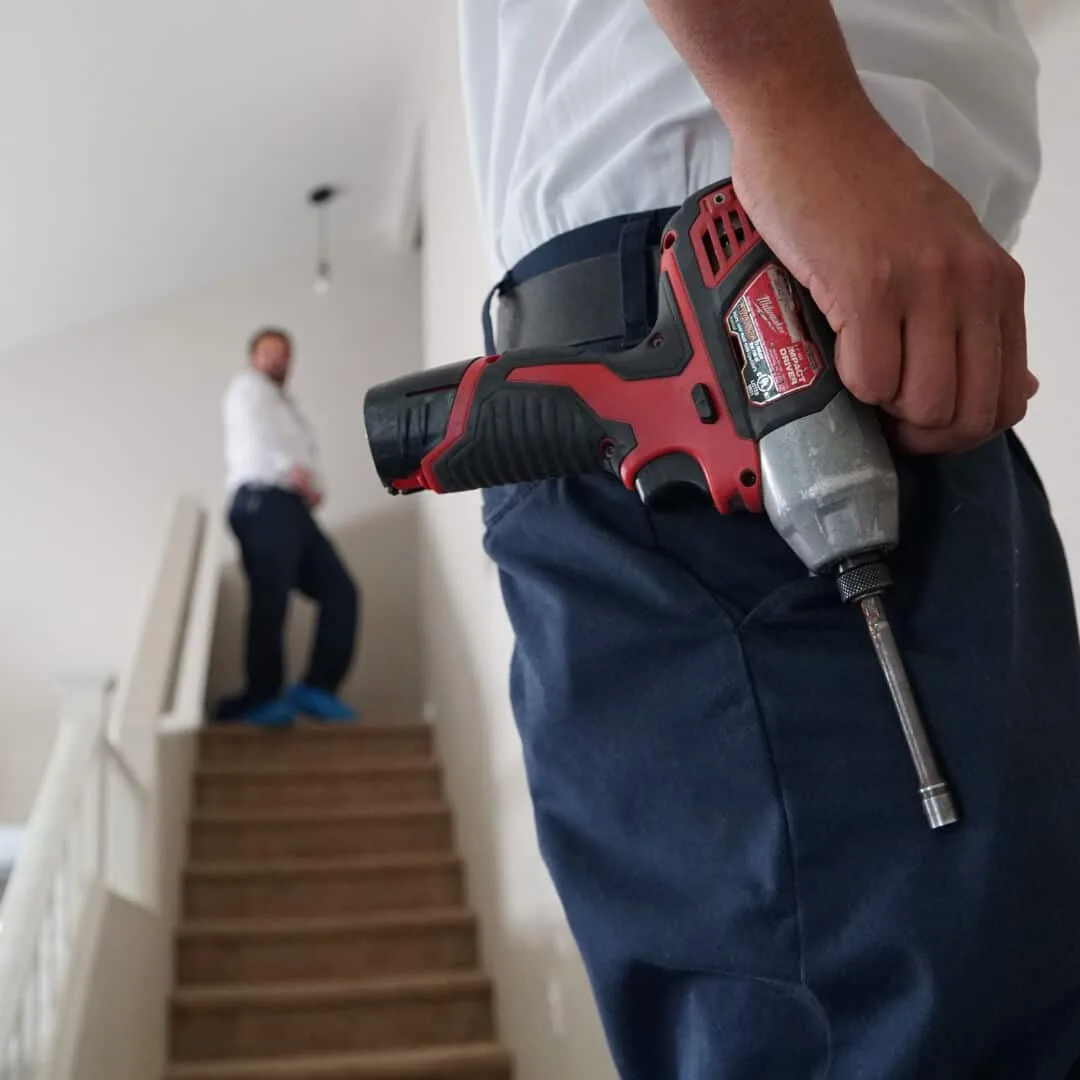
Short answer: Schedule a furnace tune-up before winter to check combustion safety, clean burners, and verify airflow. In Las Vegas, where temperature swings from 70°F days to 30-40°F nights stress heating systems, early service reduces CO risk and breakdowns. Typical tune-up costs $100-250 and can save 5-15% on heating bills.
What can change service urgency
- Gas odors, soot, or CO detector alerts
- Unusual noises or frequent cycling
- Older equipment with no recent maintenance
- Airflow restrictions from dirty filters
- Cold snaps with heavy runtime
Get a professional furnace tune-up before the cold weather arrives. A certified technician will test combustion, inspect the heat exchanger, clean burners and the blower, and check vents. That visit lowers the chance of carbon monoxide leaks. It also cuts fuel waste and provides documented safety readings for your records. Early service reduces emergency breakdown risk and gives you peace of mind.
See why homeowners trust us — view our industry awards and certifications.
Las Vegas Essentials & Challenges
Las Vegas-specific context: While Las Vegas winters are generally mild, dramatic temperature swings (70°F days dropping to 30-40°F nights) stress heating systems. Desert dust can clog burners and filters faster than in humid climates. During cold snaps in December-February, heating failures become urgent. Low humidity makes cold feel more intense, and without reliable heat, indoor temperatures can drop 20-30°F overnight. Regular tune-ups prevent breakdowns during these critical periods.
Key Takeaways
- Annual tune-ups reduce safety risks and can lower heating costs.
- Replace filters monthly to prevent airflow problems and overheating.
- Ask for combustion and CO readings and keep the printed report.
Why schedule a furnace tune up before winter?
A fall tune-up gets the system ready for long continuous use. When outdoor temperatures drop, a furnace runs more hours and works harder. Small problems that are easy to fix in mild weather can become full breakdowns during a cold snap. A technician can find worn parts early and replace them before the system is needed for extended periods. That lowers the chance you will call for emergency service on a cold night.
Scheduling before winter also helps with timing and cost. HVAC shops are less busy in early fall, so appointments are easier to get. If parts are needed, suppliers and shops generally have better availability. Getting service early often avoids emergency trip charges and long waits. The visit also creates a written baseline of combustion and safety readings you can show for resale or warranty reasons.
What safety risks does a neglected furnace pose?
A neglected furnace can leak carbon monoxide when seals or the heat exchanger fail. Cracks and corrosion in a heat exchanger may allow combustion gases to mix with the home air. Dust, soot, or blocked burner ports can cause incomplete combustion. Incomplete combustion raises carbon monoxide levels and reduces efficiency. Read more about carbon monoxide safety and heating maintenance. Persistent CO alarm events or any gas odor require immediate professional action.
Technicians look for soot, rust, and unusual flame patterns to spot early failures. They use combustion analyzers and handheld CO meters to confirm readings. If the heat exchanger shows signs of damage, replacement may be the only safe option. Do not ignore warning signs like yellow pilot flames, soot, or persistent CO detector alerts.
How does cleaning improve efficiency?
Cleaning burners, the combustion chamber, and the blower restores correct fuel-to-air ratios. When burners are clogged, flames can be irregular and fuel can burn poorly. Poor combustion wastes fuel and lowers heat output. A clean blower wheel and housing move air more efficiently, reducing electrical use and improving heat transfer to the home.
A technician will remove dust, wipe accessible parts, and clear burner ports. They also check and adjust the combustion sequence. These actions reduce resistance and improve circulation, which helps the furnace reach set temperatures with fewer cycles. Fewer cycles and better combustion directly lower fuel bills over the season.
Can maintenance reduce my heating bills?
A tuned furnace often uses fuel more efficiently and runs fewer cycles to reach the desired temperature. Efficiency gains depend on the starting condition of the unit. Many homes see 5–15% lower fuel bills after a thorough service when the system was dirty or poorly adjusted. Savings come from better combustion, correct airflow, and a well-calibrated thermostat.
Fixing leaks in ductwork and replacing worn motors or belts also cuts chronic inefficiencies. Over time, regular maintenance prevents parts from working harder than needed, which lowers energy consumption. Keep records of service to track performance and validate savings over multiple seasons.
Which parts wear out fastest?
Blower motors, belts, and capacitors rank among the most common failing parts. Motors work continuously during calls for heat and wear over years. Belts can fray or stretch, causing slippage that reduces airflow and stresses the motor. Capacitors lose capacitance and may fail to provide the start or run power the motor needs.
Other parts that wear include ignition modules, pressure switches, limit controls, and the blower wheel. Dirt buildup on the blower wheel makes it unbalanced and noisy. Pressure switches and limit switches can fail if debris or corrosion interferes with their operation. Technicians check these components and replace worn items when needed.
What does a professional furnace tune up include?
A professional tune-up follows a checklist to confirm safety and performance. The technician begins with a visual inspection of the cabinet, burners, and venting. They then clean accessible combustion components, the blower assembly, and the filter area. The tech will run the furnace and record operating temperatures, pressure, and airflow. These steps show whether the system runs within safe limits.
For gas and oil furnaces, combustion analysis is a central test. The technician measures carbon monoxide, oxygen, and combustion efficiency at the flue. These numbers tell whether the fuel burns cleanly. You should receive a written report with those readings to keep with your maintenance records. That documentation can help with warranties and home inspections. (Source: ASHRAE Technical Resources)
How do technicians inspect the heat exchanger?
Technicians use tools like mirrors, flashlights, and sometimes borescopes to view the heat exchanger. They look for cracks, corrosion, and soot patterns that suggest leaks. Even small hairline cracks can allow combustion gases to pass into the blower and then into home air.
If visual inspection is inconclusive, a tech may run pressure or combustion tests and check for elevated CO in the plenum. A damaged heat exchanger often requires unit replacement for safety. Technicians will advise on repair versus replacement based on safety data and cost.
How are burners cleaned and adjusted?
Technicians brush, vacuum, and wipe burners to remove soot and debris. They clear burner ports so flames form consistently along the burner face. The ignition sequence and flame sensors are checked to ensure reliable starts. Proper adjustment improves combustion efficiency and lowers carbon monoxide risk.
After cleaning, the tech observes flame shape and color and makes fuel-air adjustments if needed. A steady blue flame with even coverage is the target for gas burners. Any yellowing or lifting suggests a cleaning or adjustment is still needed.
What testing detects carbon monoxide leaks?
A combustion analyzer measures CO, CO2, oxygen, and combustion efficiency inside the flue gas. These readings show how completely the fuel burns and whether flue products are leaving as intended. Technicians also use handheld CO detectors to sample air near the furnace and in adjacent living spaces.
Both tests are important. Flue gas analysis finds incomplete combustion and flue problems. Ambient CO meters identify leaks that have already entered the home. Any sustained ambient CO reading above safe limits should trigger immediate corrective action and may require evacuation until the cause is fixed.
Which safety checks prevent backdrafting?
Technicians test draft by observing flue flow during operation and under static conditions. They check for flue blockages, chimney obstructions, or competing appliances that can create negative pressure. Draft tests confirm that combustion gases flow up the flue and out of the home instead of spilling into living spaces.
Techs may use a manometer to measure draft pressure and to detect negative house pressure that can cause backdrafting. Proper vent connectors, correct chimney height, and sealed connectors reduce backdraft risk. The technician will recommend fixes if draft is inadequate.
How are flue and venting issues evaluated?
Technicians visually inspect vent paths, connectors, and the chimney for holes, corrosion, or blockages. They look for loose connections and signs of water or animal intrusion that can block flow. Measurements of flue gas temperature and draft pressure help determine if the venting performs within specifications.
If problems exist, technicians may suggest relining the flue, replacing damaged connectors, or adjusting venting. Proper venting is as important as burner performance for both safety and efficiency. If code-related corrections are needed, licensed technicians can advise on permits and required work.
Decision Guidance: DIY vs. Pro Service
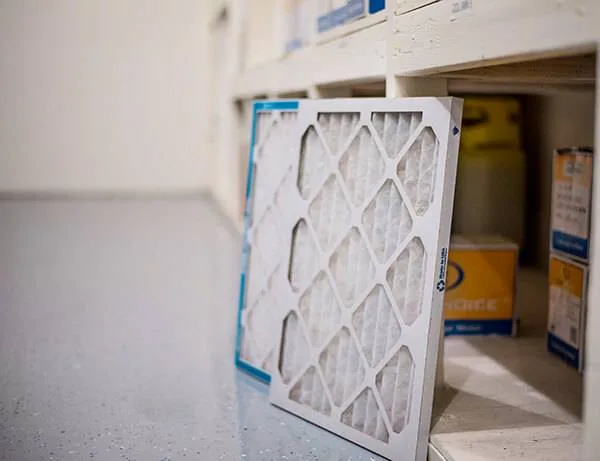
Homeowners can safely replace filters, keep vents clear, and test CO detectors. Call a licensed technician for combustion testing, heat exchanger inspection, or any gas odor, soot, or repeated shutdowns. If your furnace is 12+ years old and hasn’t been serviced recently, schedule a full tune-up before the next cold snap to avoid emergency calls.
Can I do furnace maintenance myself?
Homeowners can handle basic, low-risk tasks between professional visits. Changing disposable filters, keeping the area around the unit clear, and testing CO detectors are safe steps that reduce strain on the system. Good housekeeping helps the technician focus on deeper inspection and repair during the scheduled tune-up.
Avoid gas, combustion, or major electrical work. Those tasks require a licensed technician. Learn more about when to DIY versus calling a professional. If you encounter gas smells, strange flames, electrical arcing, or signs of heat exchanger damage, stop and call a pro. DIY attempts at complex repairs can create hazards and may void warranties.
Which basic tasks can I safely do?
You can replace or clean the furnace filter, vacuum lint and dust near the unit, and wipe accessible panels. Check supply registers and return grilles for dust and obstructions like rugs or furniture. Test CO detectors monthly and replace batteries as needed.
Record the dates of filter changes and any odd observations. This log helps technicians diagnose problems quickly. Simple upkeep like replacing filters on schedule improves airflow and reduces the risk of overheating or short cycling.
How do I change the furnace filter correctly?
Turn off power to the furnace before opening the filter compartment. Note the filter size printed on the frame and the airflow arrow marking. Remove the old filter carefully to avoid spreading dust. Dispose of disposable filters and replace with the correct size and MERV rating recommended by the manufacturer.
Insert the new filter with the airflow arrow pointing toward the blower. Do not force an undersized or oversized filter. Re-secure the access panel and restore power. Changing filters monthly is common in occupied homes; some filters and conditions allow longer intervals.
What tools do homeowners need?
Basic tools include a flashlight, shop vacuum, replacement filters, and a soft brush for accessible panels. A small mirror can help inspect hidden areas. Keep a functioning CO detector and fresh batteries on hand. These items let you perform simple checks safely.
Do not attempt blower or burner cleaning that requires disassembly beyond access panels. Those tasks need special tools, training, and safety procedures that protect both the homeowner and equipment.
How should I inspect vents and registers?
Inspect vents and registers for dust buildup, closed dampers, or furniture blocking airflow. Remove register covers and clean with a vacuum if accessible. Check that supply vents open fully and that return grilles are free of obstructions.
Run the furnace and feel airflow at each register. Weak airflow at one or more registers can indicate duct leaks, a clogged filter, or a problem with the blower. Make notes for the technician to speed diagnosis during the tune-up.
When should I call a licensed technician?
Call a licensed technician for any gas smell, CO alarm event, odd flame colors, or frequent cycling. Also call when the furnace fails to start, emits unusual noises, or shows visible signs of rust or soot. Work on burners, gas valves, or heat exchangers always needs a pro.
If you are unsure about a symptom, err on the side of safety and call. Licensed technicians carry tools and test instruments that find issues hidden from a homeowner and they can pull permits when code corrections are needed. (Source: ASHRAE Technical Resources)
How much does a furnace tune up cost?
Tune-up prices vary by region, system type, and which tests are included. A standard residential gas furnace tune-up commonly ranges from $100 to $250. That price covers inspection, cleaning of accessible parts, basic adjustments, and a simple combustion test in many service plans.
High-efficiency units, extended diagnostics, or detailed combustion analysis can add cost. Parts replacement raises the total. Membership plans or seasonal specials may reduce the per-visit price. Always request a written estimate before work begins.
Learn about available federal tax credits for energy-efficient HVAC equipment.
What is the typical price range?
Basic visits usually fall in the $100–$250 range, depending on local labor rates and the service scope. Paying for a full combustion analysis or detailed diagnostic can add another $50–$150 in most markets. Replacement parts add more and vary widely by component type.
Ask for an itemized quote showing labor, diagnostics, and parts. Compare the same scope across companies. A lower price may omit important safety tests. Confirm that combustion and CO readings are included if you want a complete safety check.
When is the best time to schedule service?
Schedule service in late summer or early fall before the first cold snap. Technicians are less busy then, and appointments are easier to book. Early service gives time to order parts and make repairs before heavy winter use begins. Fall maintenance avoids the rush of emergency calls when temperatures drop.
Waiting until the furnace fails risks higher emergency rates and longer waits. Book early to secure the time you want, lower the chance of surge pricing, and ensure parts are available. If your system has a history of issues, book sooner to allow for part ordering and follow-up visits.
Las Vegas Timing and Cost Considerations
Book your tune-up before the first cold snap so parts and appointments are available when demand spikes. In Las Vegas, fall service (September-October) avoids the rush when temperatures drop in December-February.
Cost Drivers for Furnace Tune-Ups
- Standard tune-up: $100-250 for basic inspection, cleaning, and safety checks
- Extended diagnostics: Adds $50-150 for detailed combustion analysis and performance testing
- Parts replacement: Filters ($20-60), belts ($50-150), capacitors ($100-200), ignitors ($150-300)
- After-hours service: Emergency calls during cold snaps may add $100-200 premium
- Maintenance plans: Annual plans typically $200-400/year with priority scheduling
Why schedule before the first freeze?
Pre-freeze service confirms the furnace can handle long runs. A technician can find worn parts and repair or replace them before the system faces heavy, continuous cycling. This timing reduces the chance of emergency calls during storms and cold nights.
Early service also smooths scheduling and cost. Many contractors charge premiums for emergency winter callouts. Booking ahead helps you avoid those fees and ensures the furnace is ready when temperatures fall. (Source: ASHRAE Technical Resources)
How to spot early wear and fix it
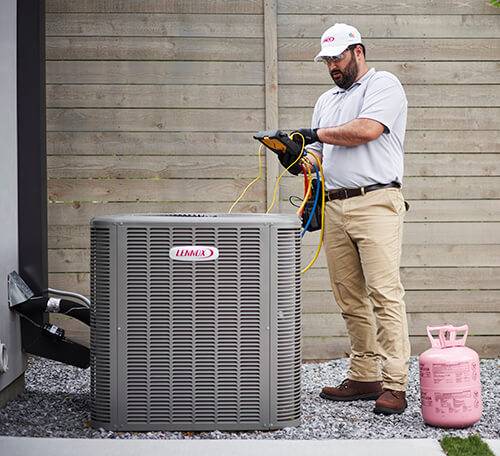
Watch and listen for subtle changes that hint at future problems. Slight rattles, weaker airflow, or a small rise in energy use often precede bigger failures. Keep notes of these signs and tell your technician at the tune-up. That information speeds diagnosis and helps techs plan preventive replacements.
Maintain a year-by-year record of service, filter changes, and odd events. This history helps technicians find patterns and plan preventive work. A documented maintenance history also supports resale and warranty claims. Store combustion printouts and invoices with your home records.
What quick checks spot wear?
Check airflow at each register and listen for new noises on startup and during operation. Look for rust on the cabinet, soot streaks near the burner area, or black residue on vents. Test CO detectors and record numeric readings for the technician.
Note how often the furnace cycles each hour. Frequent short cycles can indicate airflow restriction, a stuck relay, or a control fault. These symptoms point to targeted checks that a technician can perform during the tune-up.
When to plan parts replacement?
Plan to replace motors, belts, or capacitors when they fail repeatedly or show clear wear. If a component fails twice within a short interval, replacement may be more cost-effective than repeated repairs. Consider replacement when a part costs more than half the furnace value; in that case, a system replacement may be wiser.
Technicians provide cost-versus-life estimates. They can show how much longer the current unit is likely to run with new parts. Use these estimates to decide between repair and replacement. If problems persist, see our guide on common heater problems for troubleshooting help.
Prevention and Maintenance Tips
Regular maintenance schedule for Las Vegas homes:
- Monthly: Check and replace filters; inspect vents for obstructions; test CO detectors
- Before winter: Schedule professional tune-up (September-October); clean burners and blower
- During heating season: Monitor energy bills; watch for unusual noises or cycling
- After dust storms: Check filters immediately; clean vents if needed
- Annual: Professional inspection with combustion analysis and CO testing
Las Vegas-specific prevention: Desert dust clogs filters faster—replace monthly during heating season. Keep vents clear of furniture and rugs. During cold snaps, avoid setting thermostat too high (68-70°F recommended) to reduce strain. Monitor energy bills—sudden increases may indicate airflow problems or inefficient combustion.
Ready to schedule your furnace tune up?
If you are in the Las Vegas area, call The Cooling Company at (702) 567-0707 to schedule a certified pre-winter tune-up. The company serves Las Vegas, Henderson, and North Las Vegas and provides printed combustion and CO readings with each visit. Local residents get priority fall service and NATE-certified technicians when they call.
Why choose The Cooling Company for furnace service:
- Licensed, NATE-certified technicians with Nevada HVAC licenses
- Comprehensive combustion analysis and CO testing
- Written safety reports with documented readings
- Transparent pricing with written estimates before work begins
- Same-day service available in most areas
- Experience with all furnace types and brands
- Serving Las Vegas, Henderson, North Las Vegas, Summerlin, and surrounding areas
Call (702) 567-0707 today to schedule your pre-winter furnace tune-up. We also offer heating repair and preventive maintenance services. Outside the local area, find a NATE-certified contractor by visiting the NATE website. Ask any contractor for combustion analysis and a written report. Keep the report for your records and show it to prospective buyers or your insurer if needed.
How to book with a certified professional?
Call The Cooling Company at (702) 567-0707 to request a NATE-certified technician and to set a convenient appointment time. Ask for a visit that includes combustion testing, a heat-exchanger inspection, and a written safety report. Confirm what tests are included and whether parts or additional diagnostics carry extra costs.
Expect the technician to arrive with test equipment and a clear scope of work. Request the combustion printout and a summary of findings at the end of the visit. Keep these documents with your home maintenance records.
What should I expect on the service day?
A technician will arrive with tools, safety gear, and test equipment. They will inspect, clean, and test the furnace, then provide a written report with combustion numbers, CO readings, and recommended fixes. The tech should explain any required repairs and provide an itemized estimate before extra work begins.
Ask questions about any findings and request a timeline for needed repairs. A clear report helps you prioritize repairs and keep your system safe and efficient.
Thank you for preparing your furnace. A tuned system saves fuel, improves safety, and gives peace of mind during cold months.
Sources
- ASHRAE Technical Resources: ASHRAE Technical Resources
- NATE certification information: NATE
Related reading: what to explore next?
About The Cooling Company
- Phone: (702) 567-0707
Neighborhoods We Commonly Serve
- Summerlin
- Spring Valley
- Henderson
- Green Valley
- Centennial Hills
- Enterprise
Trust & Guarantees
- Serving Las Vegas since 2011
- 55+ years combined experience
- Licensed, EPA-certified technicians
- 100% satisfaction guarantee
- BBB A+ rated
- Lennox Premier Dealer
Find Us on the Map
Need HVAC Service in Las Vegas?
The Cooling Company provides expert HVAC service throughout Las Vegas, Henderson, and North Las Vegas. Our licensed technicians deliver honest assessments, upfront pricing, and reliable results.
Call (702) 567-0707 or visit heating, furnace repair, heat pump installation, or heating maintenance for details.
Share This Page
References
- U.S. Department of Energy (Energy.gov) (accessed 2025-12-24)
- U.S. Environmental Protection Agency (EPA) (accessed 2025-12-24)
- ASHRAE (Standards and guidance) (accessed 2025-12-24)
- ENERGY STAR (Heating & cooling) (accessed 2025-12-24)