

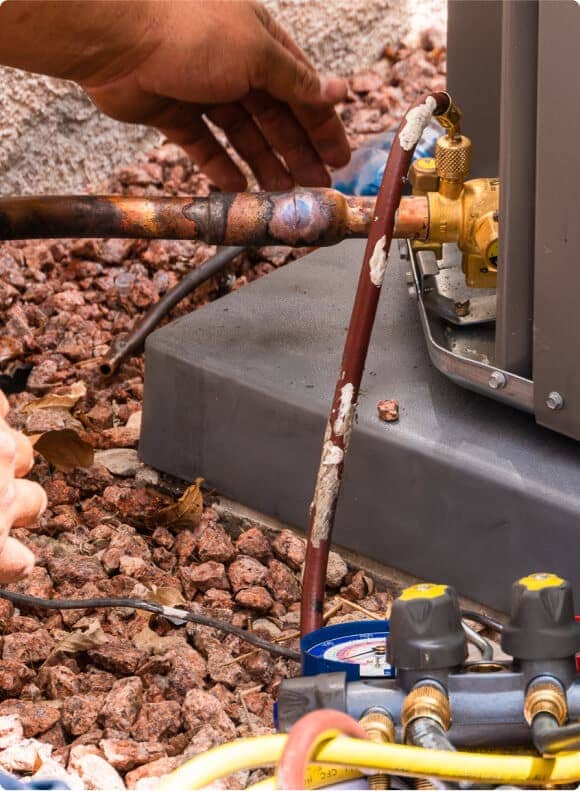
Short answer: When your heater or AC won't turn on, check the breaker panel first — look for a tripped HVAC breaker, a pulled outdoor disconnect switch, and any tripped GFCI outlets in garages or basements. If the breaker trips again after resetting, a failed capacitor or contactor is likely. Call (702) 567-0707 for same-day electrical diagnosis.
If your heater or air conditioner will not turn on, start with a short checklist before you call a technician. Many no-start problems are simple and safe to fix at home. Replacing thermostat batteries, swapping a dirty filter, or restoring a tripped breaker often gets your system running again. Other problems need a licensed pro: gas smells, electrical arcing, refrigerant.
Key Takeaways
- A tripped breaker, pulled outdoor disconnect, or blown fuse accounts for most no-start calls — check all three before anything else.
- GFCI outlets in garages and basements can silently cut power to HVAC circuits — press RESET on every GFCI you can find.
- If the outdoor unit hums but does not start, suspect a failed capacitor or pitted contactor — both need a licensed technician.
This guide walks you through the common causes, safe checks you can do, and clear signs that you should stop and call a technician. Keep notes as you go: model numbers, recent service history, and photos of error codes or panels speed diagnosis. Follow safety rules: turn power off before inspecting wiring and leave refrigerant or gas work to certified professionals.
See why homeowners trust us — view our why homeowners trust us.
Heater or Ac Won't Turn on: Key takeaways
Before you call for service, try a few safe, high-value checks. Replace thermostat batteries and a very dirty air filter first. Look for obvious power issues like a tripped breaker or an off service switch near the furnace. Confirm the thermostat mode and setpoint. If the outdoor condenser hums but the fan does not spin, inspect for debris while power is off.
If you smell gas, see sparks, notice burning marks, or if fuses blow repeatedly, treat the situation as an emergency and contact a licensed technician or utility immediately. For anything involving refrigerant, gas lines, or exposed live electrical work, schedule a pro. Keep a short record of what you tried and when. That saves diagnostic time and may reduce the repair cost.
Is your thermostat the problem?
The thermostat controls whether your HVAC will start. Many no-start calls begin with a simple thermostat issue. A blank display, wrong mode, or dead batteries are common. Smart thermostats add connectivity, but most basic control still happens locally. Before you open panels or touch wiring, confirm the thermostat shows the room temperature and the selected mode.
Start with the basics: check the screen, the selected mode (Heat or Cool), and the target setpoint. If the display is blank, replace batteries. If the unit shows a schedule or an away mode, switch to manual or raise/lower the setpoint far enough to force a call for heat or cooling. If you are unsure, use your phone to photograph the wiring and settings so a technician can see what you tried.
What should the thermostat display show?
A working thermostat usually shows the current room temperature, the active mode (heat/cool/auto), and the setpoint you selected. Many units also show fan status, battery level, or connectivity icons. If the screen is dim or blank, it often means weak or missing batteries. For smart thermostats, a blank screen can also signal a loss of power from the C-wire.
If the display is wrong, replace the batteries and check whether the thermostat reconnects to WiFi and resumes normal operation. Record the battery date so you know when to swap them again. If the thermostat shows error codes, photograph them and include them in your notes for the service technician.
Is the device set to the correct mode?
Check the mode setting carefully: Heat for winter, Cool for summer. If the thermostat is in Auto it may delay start while it confirms whether to switch systems. For testing, set the thermostat to Heat or Cool directly and set the temperature at least 2°F away from the current room temperature to trigger a call-for-heat or call-for-cool.
Also check the fan setting. If the fan is set to On, the blower should run even if heating or cooling is not calling. If set to Auto, the fan runs only during active heating or cooling cycles. Use manual settings to isolate whether the thermostat or the HVAC equipment is at fault.
Are batteries dead or low?
Many thermostats use AA, AAA, or coin-cell batteries. A dim screen, lost schedules, or a reset clock are signs the batteries need replacement. Fresh batteries are inexpensive and solve many no-start issues. Replace batteries as a first step and note the date on the thermostat or in a maintenance log.
If a smart thermostat lacks a C-wire, it may rely more on battery power. Frequent battery changes or rapid battery drain can indicate a wiring problem. If batteries die quickly even after replacement, call a technician to check the wiring and control board.
Could a loose wire stop the thermostat?
Loose or corroded wiring at the thermostat can interrupt the 24-volt control signal. That prevents the furnace or air handler from receiving the call for heat or cooling. Only inspect wiring if you are comfortable and the breaker is off. Turn off the HVAC breaker before removing the thermostat cover and take a photo of wire positions before you disconnect anything.
If you see frayed wires, burnt insulation, or a loose connection, stop and call a pro. Handling low-voltage wiring can be straightforward, but burnt connections signal broader electrical problems that need licensed technicians.
Has the schedule or smart setting blocked startup?
Smart thermostats often include holds, geofencing, or energy-saving modes that can prevent immediate starts. Vacation modes or temperature holds may keep the system off until the schedule changes. For a quick test, disable schedules and try a manual call for heat or cool to see if the system responds.
If manual control works but scheduled operation does not, reprogram schedules or check the smart thermostat app settings. If schedules are reset after a reboot, note the original settings before you reset the device so you can restore them if needed.
When should you reset your thermostat?
A soft reboot can clear glitches in smart thermostats. Remove batteries or use the device’s restart option and wait 30 to 60 seconds before restoring power. Reboots can fix software bugs and restore normal operation for devices that otherwise appear powered but unresponsive.
Keep in mind that some resets clear schedules and WiFi settings. Photograph or note your thermostat program and network info before performing a full reset so you can reconfigure the device afterward.
How to test a smart thermostat safely?
Many smart thermostats include built-in tests such as “call for heat” or “call for cool.” Use those test functions and watch the indoor air handler and outdoor condensing unit for a response within a few minutes. If the thermostat makes a call but the system does not start, the fault likely lies with the HVAC equipment.
Avoid probing live terminals unless you have training. Use the thermostat’s test tools and observe from a safe distance. If WiFi functions fail but local control works, that is a connectivity issue rather than a system failure.
Have you checked power and breakers?
Many problems start with power. Begin with obvious switches: look for a light-switch style service switch near the indoor unit and confirm it is On. Next, check the home electrical panel for a tripped breaker. HVAC breakers can appear halfway between positions; turn the breaker fully Off and then On to reset it. If the breaker trips again, stop and call a licensed electrician or HVAC technician.
Outdoor units can have a fused disconnect box nearby. A pulled disconnect or a blown fuse will stop the condenser. Only replace fuses with the correct type and rating. Replacing a fuse that blows again without diagnosis risks further damage. If you are unsure, photograph the panel and call a pro for a safe inspection.
Is the furnace or AC switch on?
A common oversight is an off service switch near the furnace or air handler. This switch looks like a standard wall switch and will cut power to the equipment if turned off. Confirm it is in the On position before you do other checks. Leave panels closed and do not touch wiring behind them.
If the switch trips again after turning it on, note when it tripped and whether any other power issues exist. Repeated trips suggest an electrical fault that needs professional attention.
Have you inspected circuit breakers?
A tripped breaker can sometimes be reset, but persistent trips point to a deeper issue. When resetting a breaker, move it completely to Off, then to On. If the breaker trips immediately or shortly after, do not keep resetting it. That behavior can indicate a short circuit or a failing motor drawing excessive current.
Call a licensed electrician or HVAC technician to test the circuit and the equipment. They will check motor amperage, capacitor condition, and connections to pinpoint the fault safely.
Could a tripped disconnect at the unit be the cause?
The outdoor condenser often has a fused disconnect in a small box near the unit. Inspect it visually from a safe distance and ensure it is in the On position. If you must open the disconnect, only do so with power off and if you are comfortable with basic electrical safety. Replace fuses only with the manufacturer-specified type and rating.
If fuses blow repeatedly, the compressor or motor may be shorting. That requires a technician with gauges and meters to diagnose and repair.
How to safely check the condensate float switch?
Condensate safety switches shut down HVAC equipment when drain pans overflow. Inspect the condensate pan for standing water and check for clogs in the drain line. If you find water, clear the clog and dry the pan. Some systems include a float switch you can lift briefly to test; only do this if the power is off or you know how the system is designed.
If clearing the drain does not restore operation, call a pro. Some float switches fail or the pan may be damaged, which needs replacement by a technician.
When is a service panel issue likely?
If multiple circuits misbehave, breakers show charring, or you smell burning at the panel, suspect a panel or feeder problem. Rust, heat damage, or buzzing noises are signs of danger. These conditions require a licensed electrician and possibly an HVAC technician working together. Do not try to repair the panel yourself.
A service panel issue can also cause intermittent HVAC faults that appear random. Document the times and symptoms to help technicians find patterns during diagnosis.
Could filters or drains be stopping startup?
Dirty filters and blocked condensate drains are common, homeowner-fixable causes of no-start events. A heavily loaded filter restricts airflow and can cause the furnace to overheat or the AC to freeze the evaporator coil. A blocked condensate drain triggers float switches that halt operation. These issues often restore to normal after cleaning or replacing the filter and clearing the drain.
Plan a filter-change schedule that fits your home. Homes with pets or heavy dust need more frequent changes - often monthly. Standard pleated filters may last two to three months in low-dust settings. Checking filters monthly at first helps you find the right cadence for your situation.
Is the air filter clogged?
Hold your filter up to a light. If very little or no light passes through, the filter is clogged and should be replaced. A dirty filter reduces airflow, lowers efficiency, and puts extra stress on the blower motor. For disposable filters, replace them and write the replacement date on a label.
If disposable filters become clogged quickly, consider a higher frequency of changes or an upgrade to a filter that balances particle capture and airflow. Never use a filter that overly restricts airflow for your specific blower design.
How often should filters be replaced?
Replace basic pleated or fiberglass filters every one to three months. If you have pets, smokers, or high dust levels, change filters monthly. High-MERV filters trap more particles but can also reduce airflow if your system isn’t designed for them. Check filters more often during heavy-use seasons like summer and winter.
Keeping a calendar or photo log of filter changes helps you and any technician know how well the system has been maintained. Some smart devices even remind you when to change the filter.
Can a dirty filter prevent the blower from running?
Severe airflow restriction can make a furnace overheat and trip safety limits, which stops the blower or the heating cycle. Over time, the blower motor itself can be damaged by strain from restricted airflow. If replacing the filter does not return normal operation, the blower motor may be failing or a control board may have tripped, requiring professional diagnosis.
Do not ignore persistent blower issues. Continued operation under strain shortens component life and can lead to more expensive repairs.
Our repair cost guide breaks down the costs you can expect.
Is the condensate drain clogged or backed up?
Water around the indoor unit or pooling at the condensate outlet indicates a clog. A plugged condensate line activates float switches and halts operation to prevent overflow. Use a wet/dry vacuum on the outdoor drain stub to pull out debris, or flush the line per manufacturer guidance. If the clog is inside the cabinet or near wiring, call a technician.
Keep a small bottle of HVAC-safe coil cleaner or mild vinegar handy for regular flushes if you are comfortable doing light maintenance. Avoid strong chemicals that can harm plastic or metal in the system.
How to clear a blocked condensate line safely?
Attach a wet/dry vacuum to the outdoor drain stub and run for several minutes to remove clogs. A gentle flush with a 50/50 vinegar and water solution can help remove organic buildup. Wear gloves and keep power off near the drain area if you open panels to access the trap.
If you cannot clear the clog or suspect it is behind electrical components, call a technician. They have the tools to access tight spots safely without risking electrical contacts.
Does a frozen evaporator coil stop the system?
Ice on the indoor coil halts normal cooling because airflow is blocked. Turn off cooling and run the blower to thaw the coil safely. Running the compressor while the coil is frozen risks compressor damage. If the coil freezes again after thawing, low refrigerant or airflow problems are likely and require a licensed tech to diagnose.
Common causes of freezing include low refrigerant, dirty coils, poor airflow from clogged filters, or a failing blower motor. Document the freeze and any previous symptoms for the technician.
What simple cleaning steps can homeowners do?
Replace the air filter, clear leaves and debris around the outdoor unit, and vacuum dust from supply registers. Maintain two to three feet of clearance around the condenser for proper airflow. Keep return grills unobstructed by furniture or storage.
These basic tasks reduce the chance of no-start events and help equipment run more efficiently. If you see physical damage or oil stains on the unit, call a pro for inspection.
Is the outdoor unit jammed or frozen?
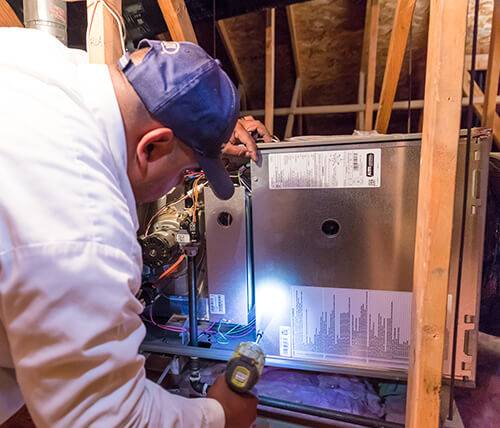
Outdoor unit problems show as humming, clicking, or a fan that will not spin. Debris, a seized fan motor, or a failed start capacitor are common culprits. You can observe the unit safely from a distance, but do not touch internal components without turning power off at the disconnect. Clear visible obstructions and check for visible oil or burn marks that suggest a failing motor or contactor.
If the fan does not spin freely by hand when the power is off, or if you hear loud clunks, call a technician. These symptoms point to a seized motor, bent blades, or failing bearings. Replacing motors or compressors requires trained technicians and sometimes refrigerant handling.
Are debris or leaves blocking the condensing fan?
Leaves, grass clippings, or wrapped vines can prevent the fan from turning. Turn the disconnect off and gently remove obstructions. Inspect the fan blades for damage or bending and the shroud for cracks. After clearing debris, restore power and listen for smooth operation.
If the fan still does not spin or you hear unusual noises, a motor or capacitor replacement may be needed. Have a technician test the start components safely.
How to identify a frozen outdoor coil?
Ice on the outdoor coil during cooling season often means low refrigerant or airflow problems. Heat pumps can ice in winter if defrost cycles fail. Thaw the unit naturally or run the system in fan-only mode. Once thawed, document how often the freeze returns. Persistent icing needs a licensed technician to check refrigerant charge and defrost controls.
Do not try to chip ice off the coil; that damages fins and tubes. Let the unit thaw and call for service if the problem returns.
Can ice on the unit cause permanent damage?
Prolonged ice can harm fins, bearings, and the compressor. Running a system while the outdoor unit is iced strains the compressor and may cause failure. If you find ice, shut off cooling and allow the unit to thaw. Schedule a professional diagnosis for recurring freeze issues.
Document when the ice formed and what outdoor temperatures were. That information helps technicians narrow the root cause.
How to spot a bad capacitor or contactor?
A buzzing or humming sound with no startup often indicates a weak capacitor or failing contactor. Visual signs include rust, pitting, burn marks, or oil stains around electrical contacts. Capacitors may bulge or leak electrolyte, while contactors can show burnt contact points.
These parts are electrical and should be tested and replaced by a licensed technician. A capacitor can hold a charge even when power is off, so do not attempt replacement without proper tools and training.
When is outdoor motor replacement likely?
If the fan motor is seized or shows bearing noise and will not spin by hand, it often needs replacement. Motors near ten years of age are more likely to fail. Replacement costs vary; compare motor replacement costs with the system age and expected remaining life of the unit.
A technician can test motor windings and bearings to give a clear repair vs replacement recommendation. In some cases, replacing a motor makes sense; in others, a full outdoor unit replacement is more economical.
When should you call a technician?
Call a licensed HVAC technician when basic checks do not restore operation, or when you encounter safety signs. Emergency indicators include natural gas odor, visible arcing, loud bangs, or carbon monoxide alarm activation. In those cases, turn off the system if safe, leave the home, and call emergency services or your utility.
Other reasons to call a pro include repeated breaker trips, blown fuses, recurring refrigerant leaks, or compressor failures. These symptoms point to electrical or refrigeration system faults that require tools and skills beyond homeowner reach. A professional will provide a safe, written estimate and explain repair options.
What safety signs mean contact us?
Smelling gas, seeing sparks, hearing loud bangs, or receiving carbon monoxide alarms are immediate emergencies. If you smell gas, evacuate and call the gas utility or emergency services from a safe location. Do not use electrical switches, phones, or appliances inside the house if you suspect a gas leak.
If you observe sparking or burning at the equipment, turn off the power at the main only if it is safe to reach. Contact a licensed electrician or HVAC technician immediately. These problems are dangerous and may require coordinated repairs.
How to know if there's a gas leak?
Natural gas often carries a rotten-egg odor added by the utility for safety. If you smell gas, do not operate any electrical devices, do not light matches, and leave the house immediately. Call your gas utility or emergency services from outside the property.
After the utility clears the leak, have a licensed HVAC technician inspect the furnace and any gas connections before restarting the system.
Are electrical smells or sparks an emergency?
Yes. Burning odors, visible arcing, or spark flashes at HVAC components or the electrical panel are emergencies. Turn off the power if safe and call a licensed electrician and HVAC technician. Do not attempt to repair wiring or replace burned parts without proper training and PPE.
Document what you saw and when it occurred. Photographs help technicians understand the severity of the fault before they arrive.
Will warranty or age change the decision?
Age and warranty status affect repair vs replacement choices. Systems older than ten to fifteen years are more prone to costly failures. Check manufacturer warranties and past service records. If a repair approaches half the cost of a new system, replacement may be the smarter long-term choice.
A licensed technician can provide cost breakdowns and expected remaining life to help you decide. Consider efficiency gains and warranty terms when comparing estimates.
What are common fixes and costs?
Common field repairs include replacing capacitors or contactors ($150–$500 installed), igniters or control boards ($200–$700), and motors or compressors (several hundred to several thousand dollars). Prices vary by region and system type. Always ask for a written estimate and a clear parts and labor warranty.
Diagnostic fees typically range from $75 to $200 and may be credited toward repairs if you proceed. Confirm how estimates and fees apply before authorizing work.
How to compare repair vs replacement?
Get written, itemized estimates for both repair and replacement. Include expected lifespans, energy savings, and warranty lengths. Compare seasonal efficiency ratings like SEER for cooling and AFUE for heating. Factor in future repair risk and the age of the system when deciding.
Try our energy efficiency guide to see how much you could save.
Ask for financing options and whether a replacement includes removal and disposal of old equipment. A clear scope helps you compare apples to apples.
What paperwork should you prepare for a tech?
Gather model and serial numbers, equipment age, maintenance records, and photos of error codes or wiring. Note the exact symptoms, when they started, and any sounds or odors. Clear access to the equipment and a tidy workspace speeds the visit and reduces labor time.
Keeping a folder with manuals and invoices makes future service more efficient and helps technicians diagnose recurring problems faster.
Can seasonal demand affect scheduling?
Yes. Peak summer and winter demand can delay service and raise emergency call rates. Schedule preventive maintenance in shoulder seasons to avoid long waits. Many contractors provide maintenance plans with priority service during peaks, which may be worth the cost in busy markets.
Book early for major replacements to avoid installation backlogs and seasonal price spikes.
How to choose a licensed HVAC contractor?
Choose technicians with valid state or local licensing, insurance, and certifications such as NATE. Check local reviews and ask for references. For refrigerant work, confirm EPA 608 certification. Request written estimates, clear warranty terms, and ask how diagnostic fees are applied to repairs.
A reputable contractor explains options plainly, shows credentials, and provides a written scope of work. Avoid high-pressure sales and insist on transparent pricing.
How to prevent no-starts with regular care?
Planned maintenance reduces no-start events and keeps equipment efficient. Replace filters on a regular schedule that suits your home. Keep the outdoor unit clear of debris and maintain adequate clearance for airflow. Schedule annual professional tune-ups to spot weak capacitors, failing contactors, or dirty burners before they fail.
Keep a maintenance log with dates for filter changes, thermostat battery swaps, and service visits. That record helps you and your contractor track recurring issues and plan repairs or replacements at the right time.
What routine maintenance tasks should you do?
Change filters, check thermostat batteries, and clear visible debris around the outdoor condenser. Vacuum supply registers and ensure return grilles are not blocked. Test the system in both heating and cooling seasons so you find issues before peak demand.
Simple maintenance reduces emergency service calls and extends equipment life. If you are uncomfortable with any task, include it in your annual tune-up contract.
When should you enroll in a maintenance plan?
If you prefer predictable care and fewer surprises, a maintenance plan offers scheduled inspections, discounted parts, and priority service. Many plans include spring and fall visits to prepare cooling and heating systems for the upcoming season.
Compare plan coverage carefully. Understand whether filters, cleaning, and diagnostics are included or billed separately before signing.
How much does preventive maintenance save?
Savings vary by system age and local energy costs. Regular tune-ups often reduce emergency repairs and can improve efficiency. Over time, maintenance can extend equipment life by years and delay costly replacements. Calculate savings based on reduced repair bills, improved efficiency, and fewer emergency service calls.
Ask contractors for service plan performance metrics and examples of avoided failures to judge potential savings.

Need help? Call The Cooling Company now?
If you are in Las Vegas, Henderson, or North Las Vegas, call The Cooling Company at (702) 567-0707 for licensed HVAC service. The Cooling Company uses NATE-certified technicians who offer same-day diagnostics and written estimates. They can handle gas, electrical, refrigerant, and replacement work where local licenses and certifications are required.
If you are outside the service area, ask for NATE-certified technicians, confirm licensing and insurance, and request written estimates with warranties. Do not let anyone work on gas lines or refrigerant without the proper certification and credentials.
What to expect during a service visit?
A technician will inspect thermostat settings, breakers, filters, the indoor unit, and the outdoor condenser. Expect a diagnostic fee and a written estimate for recommended repairs. The tech should explain failure causes, repair options, and warranty terms clearly.
Ask about parts warranties, labor coverage, and whether diagnostic fees apply to repairs. Good technicians leave a clear report and next steps for maintenance or replacement.
Where to find maintenance tips and checklists?
Manufacturer manuals, ACCA checklists, and government guides provide reliable maintenance advice. Keep a simple checklist and a photo log of filter changes and battery swaps. Use those notes during service calls so technicians can act quickly and accurately.
If you hire a contractor outside our area, ask whether they follow published standards such as ACCA or manufacturer maintenance checklists.
Final notes and quick safety checklist
Keep a short safety checklist near your HVAC system. Include steps such as: turn power off before any deep inspection, evacuate and call emergency services if you smell gas, and do not open electrical panels unless you are trained. Share this checklist with household members so everyone knows what to do.
Record filter change dates, thermostat battery swaps, and service visits. Photos of equipment, error codes, and wiring help technicians diagnose problems faster. A little prep reduces repair time and improves safety.
You Might Also Like
This section lists related articles that can help you troubleshoot odors, brand-specific problems, or find service pros. Use these pages for more detailed reads on specific topics or equipment models. Keep in mind that some pages are brand or topic specific and may require professional help for complex problems.
How does this affect homeowners?
Understanding common causes and safe checks helps homeowners save time and money. By following a structured troubleshooting approach, you avoid unnecessary technician visits for simple fixes. When professional help is needed, clear documentation and photos speed diagnostics and reduce labor time.
Document your actions, symptoms, and any safety concerns. That record helps you make informed repair or replacement decisions and gives technicians the context they need to fix problems efficiently.

About The Cooling Company
The Cooling Company has been serving the Las Vegas valley with professional HVAC services for over a decade. Our team of licensed, NATE-certified technicians specializes in air conditioning repair, heating system maintenance, and complete HVAC installations. We're committed to providing honest, reliable service with upfront pricing and a 100% satisfaction guarantee on all work performed.
- Phone: (702) 567-0707
- Reviews: 4.8/5 stars (780+ reviews) - See reviews
Service Areas
We proudly serve homeowners and businesses throughout the Las Vegas metropolitan area, including Las Vegas, Henderson, and North Las Vegas. Our service technicians are available for same-day appointments in most areas, with emergency service available 24/7 for urgent HVAC issues.
Sources and further reading?
The resources below provide additional technical guidance and consumer information. Use them to learn more about HVAC efficiency, indoor air quality, and best practices for maintenance. They are reliable references for homeowners and technicians.
- U.S. Department of Energy (Energy.gov) (accessed 2026-01-02)
- U.S. Environmental Protection Agency (EPA) (accessed 2026-01-02)
- ASHRAE (Standards and guidance) (accessed 2026-01-02)
- ENERGY STAR (Heating & cooling) (accessed 2026-01-02)
- Energy.gov – HVAC Efficiency Basics
- EPA Indoor Air Quality (IAQ)
- ASHRAE Technical Resources
- DOE Better Buildings – HVAC
Local essentials and Las Vegas challenges
Las Vegas HVAC systems face long cooling seasons, dusty wind events, and extreme summer heat that can weaken capacitors and contactors. Outdoor units in full sun, especially in areas like North Las Vegas and the southwest valley, can overheat and trip protection circuits. In winter, short heating cycles may mask problems until the first cold snap, which is why a full seasonal system check matters.
Cost drivers for no-start HVAC problems
- Capacitor or contactor replacement after heat-related wear.
- Thermostat or low-voltage wiring issues.
- Condensate drain clogs or float switch failures.
- Blower motor or fan motor replacements.
- Refrigerant diagnostics for systems that will not cool.
Decision guidance: quick fixes vs service call
If the thermostat is blank, the filter is clogged, or a breaker is tripped once, a quick DIY check is reasonable. If the system hums without starting, trips breakers repeatedly, or shows burning smells, stop and call a licensed technician. A same-day diagnostic is usually cheaper than replacing parts that were misdiagnosed.
Prevention to reduce no-start calls
- Change filters on a consistent schedule and keep returns clear.
- Clear debris around outdoor units and maintain airflow clearance.
- Test both heating and cooling modes before peak seasons.
- Schedule annual maintenance to test capacitors and safety switches.
Las Vegas neighborhoods we serve
We serve North Las Vegas, Enterprise, Southern Highlands, Summerlin, Spring Valley, Paradise, and Henderson.
Trust and guarantees
- Serving Las Vegas since 2011
- 55+ years combined experience
- Licensed, EPA-certified technicians
- 100% satisfaction guarantee
- BBB A+ rated
- Lennox Premier Dealer
Service area map
Need HVAC Service in Las Vegas?
The Cooling Company provides expert HVAC service throughout Las Vegas, Henderson, and North Las Vegas. Our licensed technicians deliver honest assessments, upfront pricing, and reliable results.
Call (702) 567-0707 or visit AC repair, maintenance, heating, or installation for details.