

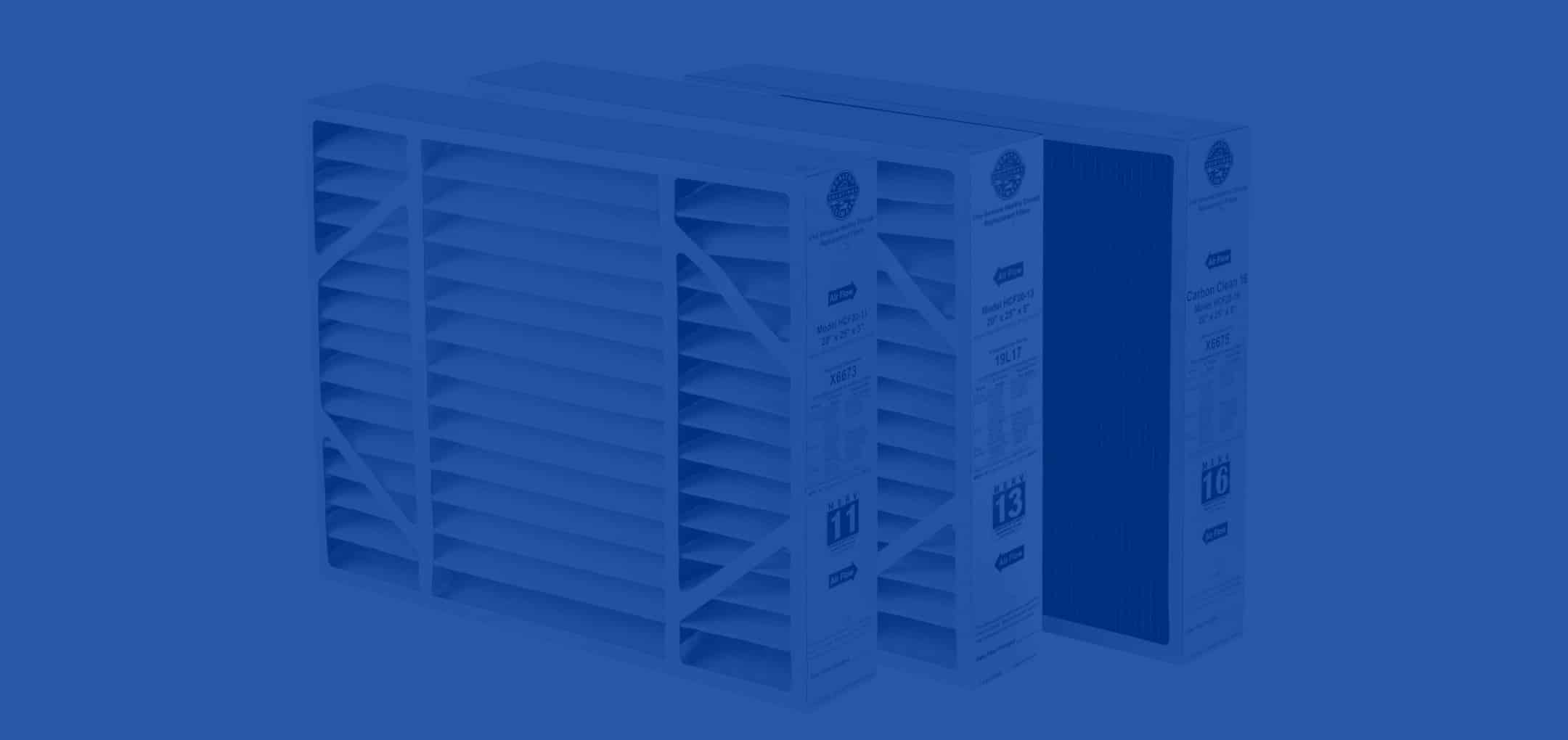
Short answer: The most common reasons your heat isn't working are a thermostat set incorrectly, a tripped circuit breaker, or a clogged air filter. Try those three checks before calling for service — they fix the problem about 70% of the time.
Start here: check your thermostat, breaker, and airflow first. Many no-heat cases are simple fixes like dead thermostat batteries, a tripped breaker, or a clogged filter. If you smell gas or see a carbon monoxide alarm, leave and call emergency services. Use the checklist below to triage safely and decide next steps. (Source: ASHRAE Technical Resources)
Key Takeaways
- Try the thermostat, power, and filter first. These fixes often restore heat quickly.
- If you smell gas or see CO alarm activity, evacuate and call emergency services.
- For gas ignition, refrigerant, or combustion concerns, schedule a licensed HVAC technician.
- Regular filter changes and yearly tune-ups cut emergency repairs and improve efficiency.
Where should I start triaging my heat?
Begin at the control points homeowners can safely inspect. Look at the thermostat first, then the electrical supply and filters. These items cause many simple failures. Doing them in order saves time and helps avoid unnecessary repairs.
After those basic steps, check vents and the outdoor unit if you have a heat pump. Note any odd smells, soot, or visible leaks. If the system shows error codes, write them down. That information speeds a technician’s diagnosis and saves money.
Is the thermostat set correctly?
Check that the thermostat mode reads HEAT, not COOL or OFF. Set the thermostat five degrees above current room temperature. Listen for the system to respond within a minute. If nothing happens, the problem might be power, wiring, or the thermostat itself.
Also verify the fan setting is on AUTO, not ON, unless you want constant fan operation. A mistaken fan setting can circulate cool air while burners or heat strips are off. Adjust settings and wait a minute to see if heat begins.
Did I check the thermostat batteries?
Many thermostats use AA or AAA batteries. A weak battery can prevent the thermostat from sending a call for heat. Replace batteries once per year as preventive care. If the display is blank, that’s a clear sign to swap batteries.
After replacing batteries, try raising the setpoint again. If the thermostat still does not respond, check wiring connections at the thermostat. Loose wires or a damaged thermostat may need a pro to fix.
Is the system set to heat and proper schedule?
Smart or programmable thermostats can be set to schedules that lower temperature during certain times. Confirm the current schedule or temporary hold isn’t preventing heat. Look for vacation modes, setback periods, or app overrides.
Sometimes the schedule runs on a weekday/weekend cycle and appears wrong to owners. Override the schedule manually to test heat. If manual heat works, reprogram the schedule to match comfort needs.
Are any error codes showing on the display?
Modern furnaces and heat pumps display fault codes on the thermostat or unit. Note any flashing lights or error numbers. Write them down and take a photo for a technician. Codes point to specific sensors, ignitors, or blower faults.
If you have the owner’s manual, match the code to the fault chart. For many codes, a simple reset restores operation. If the code returns, avoid repeated resets and call a technician to prevent damage.
Have I inspected the circuit breaker?
A tripped breaker is a common and simple cause of no heat. Go to your electrical panel and look for any breakers in the middle position. Flip the breaker fully off and then on to reset it. If it trips again, stop and call an electrician or HVAC tech.
Some furnaces have a separate disconnect switch near the unit. Make sure that switch is on. For electric furnaces, breakers feeding heating elements can be on multiple poles and may look only partially tripped.
Is the furnace power switch on?
Most furnaces and air handlers have a power switch on the unit, often near a service panel. That switch looks like a light switch and is sometimes turned off during maintenance. Confirm the switch is ON. If it is off, turn it on and test the system.
If the switch was off under odd circumstances, ask household members about recent service. Do not force switches or pry open panels. If the unit still does not power up, you may have internal electrical problems that need a pro.
Can a smart thermostat app be misleading?
Smart thermostats sometimes show the system calling for heat in the app even when wiring or power is missing. The app shows the user command, not the actual furnace response. Always verify on the thermostat display and at the furnace that the call for heat reached the equipment.
Connectivity issues or app glitches can make remote control unreliable. If the app indicates heat on but no heat exists, reboot the thermostat and check batteries. When in doubt, revert to manual control at the thermostat.
When should I reset the thermostat?
A thermostat reset can clear odd behavior. Try a quick reset if the display freezes or programming acts strange. Power cycle by switching the breaker off for 30 seconds and back on or remove batteries briefly for non-hardwired models. (Source: ASHRAE Technical Resources)
Avoid frequent resets. If problems return, the thermostat may be failing or wiring may be loose. Document symptoms and provide them to the technician for faster diagnosis.
What warning signs mean call a pro?
Call an HVAC pro right away if you smell natural gas, hear a hissing gas sound, or see a damaged gas line. Also call if a carbon monoxide alarm activates or if you see soot or yellow, lazy flames. These signs point to dangerous combustion or venting issues.
Other urgent signs include repeated breaker trips, visible refrigerant leaks, or a furnace that runs but blows cold air without cycling. When in doubt about gas, combustion, or refrigerant, call a licensed technician for safety and proper repair.
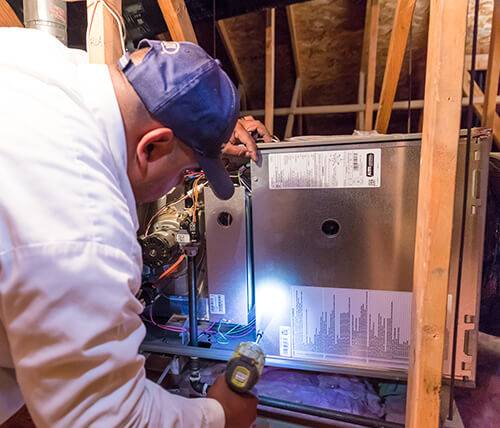
Could the air filter or airflow be the problem?
Airflow issues are a top cause of no-heat complaints. A clogged filter restricts the air the furnace or heat pump needs to heat your home. Low airflow causes short cycling, overheating, and safety trips that stop heat production.
Blocked returns and closed vents increase pressure and reduce heat output. Check filters, returns, and registers for dust, pet hair, or furniture blocking them. Clearing airflow is one of the fastest, cheapest fixes homeowners can do.
How dirty filters cause heating failure?
A dirty filter chokes airflow and causes the furnace to overheat or the heat pump to lose capacity. Overheating trips the high-limit switch, shutting off burners or heat strips. Replacing the filter often restores normal operation and prevents control board faults.
Restricted airflow also reduces efficiency and drives up energy bills. In severe cases, poor airflow can cause motor burnout. Inspect filters monthly in heavy-use months and change them when they look clogged.
Where is the filter located in my system?
Most filters sit in the return-air grille, the return plenum, or the air handler cabinet. Some older furnaces use disposable filters behind a small access door. Check your owner’s manual or look for a slot near the blower compartment.
If you cannot find the filter, take a photo of the unit and share it with a tech for guidance. Installing the wrong filter size can bypass or block airflow, so confirm size and orientation before inserting.
How often should I replace or clean filters?
Replace disposable pleated filters every 1–3 months in typical homes. Change them more often with pets, smokers, or allergies. Washable filters need cleaning every 1–2 months and should be dry before reinstalling.
Set a schedule and mark the calendar. A clean filter saves energy and prevents many heat failures. During heavy heating seasons, check the filter monthly.
Can blocked vents mimic a broken furnace?
Yes. Closed or blocked supply and return vents make rooms feel cold even when the furnace works. Furniture, rugs, or curtains often block registers. Open all vents and feel temperature at the supply registers to confirm heat delivery.
Also check returns for pet hair or debris. If some rooms heat while others do not, rebalance vents or call a pro to inspect ductwork and zoning systems.
Will a clogged duct reduce heat output?
Clogged or disconnected ducts cut airflow and reduce heat delivery to rooms. Look for significant dust, animal nests, or evidence of leaks in accessible ducts. Leaky ducts in attics or crawl spaces can lose heated air to unconditioned spaces.
Sealing ducts with mastic or foil tape and adding insulation improves performance. Our guide on how to check air ducts for leaks explains DIY tests. For major duct problems, a professional duct test and repair will restore even heating and improve efficiency.
Is the fuel or power supply interrupted?
Fuel and power supply issues stop the heating system from running. Electric furnaces, heat pumps, and boilers need steady power. Gas furnaces need steady electrical power too, for controls and blowers. Check supply first before assuming internal failure.
Utility outages, tripped breakers, and closed fuel valves are quick fixes. For oil or propane systems, confirm deliveries and tank levels. Safety comes first: if you smell gas, leave right away and call emergency services.
Has the circuit breaker tripped?
Look for breakers in the middle position or with a red tab. Reset the breaker by switching fully off and back on. For multi-pole breakers, reset all related poles. If it trips again, do not keep resetting the breaker.
Repeated trips indicate a short or overloaded circuit. A licensed electrician or HVAC technician must diagnose the root cause to prevent fire hazards or further equipment damage.
Is the pilot light or electronic ignition working?
Older gas furnaces use a standing pilot; newer ones use electronic ignitors. If a pilot is out, follow the manufacturer’s relight instructions or call your gas utility for help. For hot-surface ignitors, a cracked or burned element will prevent burners from lighting.
Ignitor replacements are common and usually require a technician. Flame sensors can also fail or need cleaning. If burners spark but do not stay lit, document the behavior for the tech.
Did the gas valve get shut off?
Gas valves sometimes get turned off for service or after a utility alert. Confirm the gas valve near the furnace is in the ON position. If household gas is off, contact your gas company to restore service. (Source: ASHRAE Technical Resources)
Never attempt to alter gas piping yourself. If you suspect a gas leak, evacuate and call emergency services or the gas utility from a safe location.
Could a utility outage explain no heat?
Power outages stop electric controls, blowers, and heat pumps. For gas furnaces, electronic ignition and blowers still need power. Check local reports, outage maps, or your circuit breakers to confirm a larger outage.
If your home has a generator, ensure it is powering the HVAC circuit. Some generators do not support large electric heating loads, so confirm capacity before switching to generator power.
Are furnace safety switches engaged?
Furnaces have safety switches like the high-limit, rollout, and pressure switches. These switches shut the unit down to prevent combustion or overheating hazards. If a switch trips, the furnace may need troubleshooting for the cause rather than just a reset.
Look for obvious causes like blocked vents, dirty burners, or a clogged flue. Many safety switch trips require a technician to test sensors and repair underlying faults.
What to check with oil or propane delivery?
For oil burners, confirm the tank has fuel and the burner attempts to start. Air in the fuel line or a clogged nozzle can stop ignition. For propane, ensure the tank valve is open and the regulator is functioning.
If deliveries are low or empty tanks are suspected, contact your supplier. They may provide emergency delivery options. Avoid trying to bleed lines or service fuel pumps yourself.
How to test the 24V transformer safely?
Only test transformers if you are comfortable with basic electrical safety. Turn off the furnace power before opening panels. Use a multimeter set to AC volts to measure the transformer output. It should read about 24 VAC when the unit is powered.
If you do not own a meter or are unsure, skip this step and call a pro. Transformers can show open leads or internal faults that require replacement by a technician.
When to avoid DIY gas or electrical checks?
Never work on gas lines, burners, or high-voltage electrical components if unsure. These systems can cause fire, explosion, electrocution, or carbon monoxide hazards. If you smell gas, evacuate and call emergency services.
Call a licensed HVAC tech for wiring faults, gas valve issues, refrigerant leaks, or combustion concerns. Professional tools and training are needed for safe diagnosis and repair.
Could a thermostat wiring fault cut power?
Loose thermostatic wires or a short at the thermostat can prevent the control signal from reaching the furnace. Inspect visible wiring at the thermostat for loose or frayed wires. Tighten small screw terminals if needed.
If wiring looks damaged or you find multiple loose wires, turn off power and call an HVAC pro. Rewiring requires care to maintain proper control and avoid shorts.
Are ignition and combustion parts failing?
Combustion components include the pilot, ignitor, gas valve, burners, and heat exchanger. Failure in these parts can stop burners from lighting, create unsafe combustion, or trigger safety switches. A professional should inspect combustion systems.
Signs include no flame, yellow or sooty flames, loud ignition, or unusual odors. Many of these issues create safety risks like carbon monoxide or gas leaks. Do not delay calling a licensed technician if combustion problems are suspected.
Why isn't the pilot lighting?
A standing pilot can go out from drafts, a dirty pilot orifice, or a faulty thermocouple. Thermocouples sense the pilot flame and keep the gas valve open. If a thermocouple fails, it shuts the gas supply off for safety.
Relighting a pilot follows the manufacturer steps. If it does not stay lit, avoid repeated attempts and call a technician to test or replace the thermocouple and clean the pilot assembly.
How does a faulty igniter behave?
Hot-surface igniters glow and then ignite gas. When cracked or burned, they fail to heat or they glow weakly. You may hear the furnace try to light repeatedly without success. Igniter failure is common and usually replaced by a tech.
Electronic spark ignitors also wear out or have failed electrodes. Technicians can test resistance and timing to confirm failure and swap in a proper replacement part.
When is a cracked heat exchanger likely?
Heat exchangers crack due to age, rust, or overheating. Signs include soot, yellow flames, or a persistent smell of exhaust. A cracked exchanger can leak carbon monoxide into the home and is a serious safety risk.
If you suspect a cracked heat exchanger, stop using the furnace and call a licensed technician right away. Many techs will perform a visual and pressure test and recommend replacement when cracks are confirmed.
Could mechanical parts or motors be to blame?
Mechanical parts like the blower motor, belts, capacitors, and bearings wear over time. When they fail, the furnace may not move air or may overheat. Proper diagnosis checks for electrical and mechanical faults together. (Source: ASHRAE Technical Resources)
Regular maintenance identifies worn belts, dry bearings, and failing capacitors before they cause a total breakdown. For older units, replacement may be more cost-effective than repeated motor repairs.
Why would the blower motor stop?
A blower motor can fail from burnt windings, bad capacitors, or seized bearings. If the motor hums but does not start, a weak capacitor is often the cause. If there is no sound at all, the motor or its supply may be dead.
Testing requires a multimeter and sometimes a capacitor discharge. Most homeowners should not test motors under load. Call a licensed tech to evaluate and replace motors safely.
How to tell if the blower capacitor failed?
A failing capacitor usually causes slow-starting or non-starting blower motors. You may hear clicking or humming. Visual bulging or leaking electrolyte on the capacitor body is a clear sign.
Technicians test capacitance and replace the part if out of spec. Capacitors store charged energy and can be dangerous; never attempt to replace one without proper knowledge and tools.
Are belt or pulley issues common in furnaces?
Some older furnaces use belts to drive fans. Belts stretch and crack over time and require adjustment or replacement. Listen for squealing or slapping noises that indicate belt wear.
Inspect belts for fraying and proper tension. Replace belts in matched sets and align pulleys carefully. Many modern systems use direct-drive blowers and do not have belts.
Could a frozen condensate drain affect heat?
High-efficiency furnaces and heat pumps drain condensate. In cold conditions or with blocked drains, water can back up and trip safety switches. A frozen or clogged condensate line stops operation to prevent damage.
You may qualify for federal tax credits that reduce your upfront cost.
Clearing the drain, insulating the line, or adding a trap heater can fix recurring freezing. If you see water near the unit or a tripped condensate switch, call a pro to clean and test the drain.
What noises suggest failing bearings?
Grinding, squealing, or thumping noises often point to worn bearings. Bearings dry out or corrode and cause the motor to run roughly. Continuing to run a noisy motor can lead to full motor failure.
Schedule a service call if you hear abnormal sounds. A technician can lubricate, replace bearings, or swap out the motor if needed to prevent further damage.
How to inspect the fan without disassembling?
With the unit off, visually inspect the fan blades for damage, debris, or ice. Spin the fan by hand to feel for roughness or binding. Check for bent blades or objects lodged in the housing.
Do not put fingers inside a running fan. If you notice resistance or wobble, call a pro. Imbalanced fans cause noise and reduce airflow.
Is the control board sending signals?
The control board coordinates ignition and fan sequences. Look for blinking LEDs that indicate faults. A board that shows error codes may have failed relays or sensors.
If you can read wiring diagrams, verify that the board is sending 24V signals when the thermostat calls for heat. For most homeowners, photographing the board and sharing it with a tech speeds repair.
When does age mean replacement is smarter?
Furnaces older than 15–20 years often have failing parts and lower efficiency. When repair costs approach 30–50% of a new system, replacement is often the better value. New units save energy and reduce future repair needs.
A technician can run a simple cost-benefit analysis based on system age, condition, and your heating bills. Our heating repair cost guide helps you compare common repair prices. Consider replacement when frequent breakdowns or safety issues appear.
Can thermostat calibration affect motor cycles?
If the thermostat misreads room temperature, it can cause short cycling or long runs. Calibrate or replace a thermostat that shows large differences from a thermometer. Poor calibration can also mask motor issues.
A properly calibrated thermostat reduces unnecessary cycles and wear on motors and fan controls. Test with an independent thermometer near the thermostat to confirm accuracy.
How to spot a shorted motor or relay?
Shorts often blow fuses or trip breakers. Smell of burning or visible scorch marks near relays or wiring indicate electrical failure. Technicians test coils and insulation resistance to identify shorts.
If you see electrical damage, leave power off and call a professional. Replacing wiring, relays, or motors requires trained handling to meet electrical codes.
What are repair cost ranges for motors?
Blower motor replacements typically range from $200 to $900. Cost varies with motor type, age, and labor. Capacitor replacement is usually $100 to $250. Belts and minor parts often cost under $150. (Source: ASHRAE Technical Resources)
Prices vary by region and system complexity. Get multiple estimates and ask about warranties on parts and labor.
When to replace vs repair a furnace?
Repair when the issue is minor and the unit is relatively young. Replace when repair costs are high and the unit is old or inefficient. Consider replacement if the system fails a heat exchanger test or has repeated major failures.
Factor in your heating needs, energy bills, and comfort goals. A technician can provide an estimate and help you weigh long-term costs and benefits.
What preventive maintenance prevents failures?
Annual tune-ups, seasonal filter changes, and keeping vents clear prevent many failures. Technicians clean burners, test safety switches, and check combustion. These steps extend equipment life and lower energy use.
Create a maintenance plan and schedule visits before the heating season. See our fall heating maintenance checklist for a step-by-step schedule. Regular service reduces emergency calls and can improve indoor air quality.
Key Takeaways
Try easy fixes first: thermostat settings, batteries, breakers, and filters. Those items solve many no-heat calls quickly. For smells of gas or CO alarms, leave and call emergency services right away. If the issue involves ignition, refrigerant, or combustion parts, schedule a licensed HVAC technician.
Keep maintenance simple: change filters every 1–3 months, clear outdoor units, and book annual tune-ups in fall. Note error codes and take photos for the technician. Document symptoms and any steps you tried before the service call to speed repair and limit costs.
Quick checklist to try before calling?
1) Thermostat: set to HEAT and raise setpoint five degrees. 2) Replace thermostat batteries. 3) Check circuit breaker and unit power switch. 4) Replace or clean air filter. 5) Ensure vents and returns are open. 6) Look for error codes and photograph them. 7) Clear debris from outdoor heat pump or condenser.
This checklist takes 5–20 minutes and often restores heat. If any step is unsafe or you smell gas or see CO warnings, stop and call emergency services or a licensed technician.
Estimated repair costs and timeframes?
Simple fixes like batteries or filters cost under $50 and take minutes. Ignitor or flame sensor repairs typically run $100–$400 and take 1–2 hours. Blower motor or control board jobs often cost $300–$1,000 and may take 2–4 hours.
Major failures, like heat exchanger replacement or full system replacement, range widely from $1,500 to $7,000. Regional labor and unit efficiency drive price. Always get a written estimate and ask about warranties.
Schedule service or get a free estimate
When a safe DIY fix does not restore heat, schedule professional service. Choose a licensed HVAC company with clear pricing, certifications, and good local reviews. Prioritize technicians who offer emergency service in cold weather.
A good company will ask about symptoms, system age, and any error codes before the visit. Have your model and serial number on hand. This information helps the tech bring parts and provide faster repair or an accurate quote.
How to choose a licensed HVAC technician?
Look for NATE certification, local business licensing, and insurance. Check online reviews and ask for references. Confirm technicians carry HVAC liability insurance and workers’ comp. Also verify the company provides written estimates and parts warranties.
Ask about diagnostic fees and service guarantees. Clear communication and transparent pricing reduce surprises. Pick a company that explains repair options and long-term recommendations in plain language.
What to ask when booking service?
Tell the scheduler your unit make, model, and symptoms. Ask if the technician will inspect combustion safety, heat exchanger, and refrigerant if needed. Request an estimate range and ask about diagnostic fees and warranty coverage.
Also ask about appointment windows and emergency availability in cold weather. If you need financing, ask for terms and promotions. Clear expectations help the technician prepare and speed your repair.
Final call to action for Las Vegas area readers: If your heat is still not working or you need fast, trusted service, call The Cooling Company at (702) 567-0707 now. We serve Las Vegas, Henderson, and North Las Vegas. Our NATE-certified technicians handle gas furnaces, heat pumps, and boilers. Ask about same-day service, free estimates, and maintenance plans.
See why homeowners trust us — view our industry awards and certifications.
If you’re outside the Las Vegas area, find certified technicians through NATE at natex.org for qualified help. For local service, reach The Cooling Company at (702) 567-0707 for honest diagnostics, clear pricing, and dependable repairs across Las Vegas, Henderson, and North Las Vegas.
Related reading: what to explore next?
Need HVAC service help in Las Vegas?
If you're facing an HVAC emergency in Las Vegas, Henderson, or North Las Vegas, The Cooling Company offers fast, reliable service from licensed technicians. We understand that heating and cooling emergencies don't wait for business hours.
Call us now at (702) 567-0707 for emergency service. Our team is ready to help restore your comfort quickly and safely.
About The Cooling Company
- Phone: (702) 567-0707
References
- U.S. Department of Energy (Energy.gov) (accessed 2025-12-24)
- U.S. Environmental Protection Agency (EPA) (accessed 2025-12-24)
- ASHRAE (Standards and guidance) (accessed 2025-12-24)
- ENERGY STAR (Heating & cooling) (accessed 2025-12-24)
Related service: Need professional HVAC service? Explore our AC repair and heating services services for Las Vegas homeowners.
Need HVAC Service in Las Vegas?
The Cooling Company provides expert HVAC service throughout Las Vegas, Henderson, and North Las Vegas. Our licensed technicians deliver honest assessments, upfront pricing, and reliable results.
Call (702) 567-0707 or visit heating services, furnace repair, heat pump installation, or heating maintenance for details.